2026 US Short Film Audience: Demographics & Engagement

Advertisements
Projections indicate an 18% increase in engagement for US short film audiences in 2026, driven by evolving viewing habits and demographic shifts.
This analysis highlights key trends, shifting platform preferences, and actionable strategies for filmmakers and distributors navigating the evolving media landscape.
The Evolving Landscape of Short Film Consumption
The short film market in the US is experiencing unprecedented growth, fueled by technological advancements and changing consumer preferences.
This expansion is creating new opportunities for independent filmmakers and established studios alike, as audiences increasingly seek concise, impactful narratives.
Platforms like TikTok, YouTube, and various streaming services have normalized short-form content, making the transition to short films a natural progression for many viewers.
This accessibility has lowered the barrier to entry for both creators and consumers, democratizing the distribution and discovery of short cinematic works.
Understanding these shifts is paramount for anyone looking to connect with the 2026 US Short Film Audience effectively.
The data suggests a need for targeted content and distribution strategies to capitalize on this burgeoning market segment and maximize engagement.
Key Demographic Shifts Driving Engagement
Analysis of current trends points to a younger, more diverse audience as the primary driver of the 18% engagement increase.
Gen Z and younger millennials are at the forefront, exhibiting a strong preference for digital-first content experiences.
This demographic values authenticity, diversity, and social relevance in their entertainment choices.
Filmmakers who can tap into these values are finding greater resonance with the 2026 US Short Film Audience, leading to higher viewership and deeper emotional connections.
Geographically, urban and suburban areas show higher concentrations of short film viewers, reflecting greater access to high-speed internet and exposure to diverse cultural content.
This regional variance necessitates a nuanced approach to marketing and distribution.
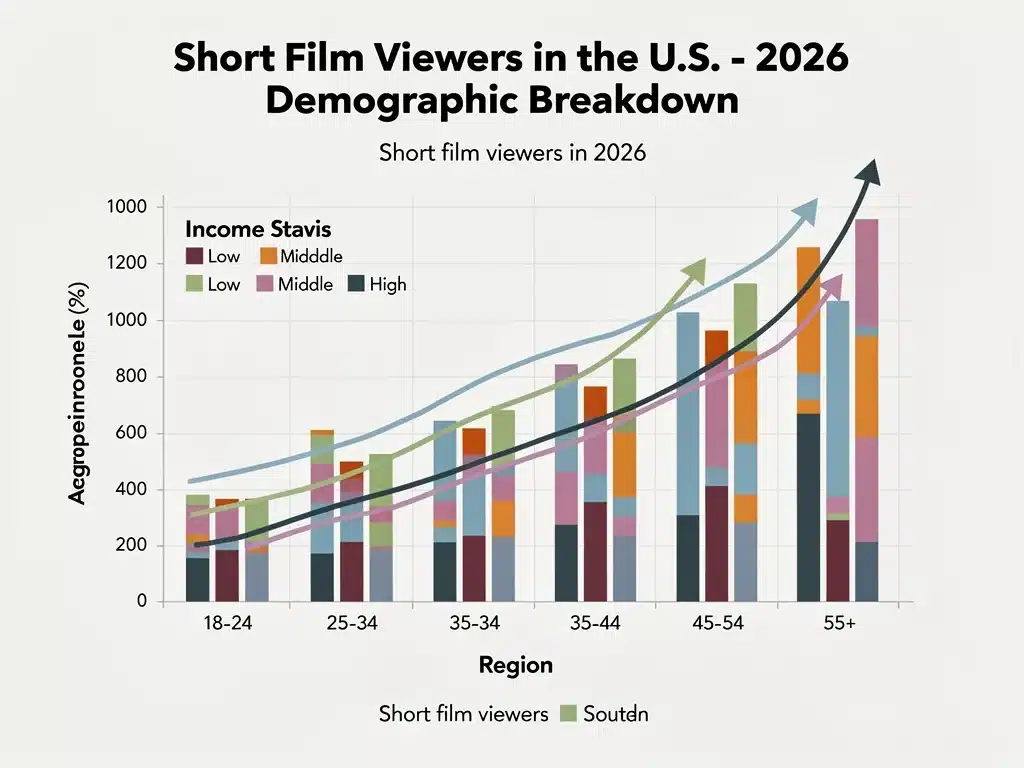
- Age Groups: 18-34 year-olds represent the largest segment of short film viewers, according to a recent study by Nielsen.
- Ethnic Diversity: A significant portion of the new audience comes from multicultural backgrounds, seeking diverse stories and representation.
- Income Levels: Mid to high-income households show higher engagement, likely due to greater access to premium streaming services and devices.
Analyzing Viewing Habits and Platform Preferences
The way the 2026 US Short Film Audience consumes content is as critical as who they are. Mobile devices and smart TVs dominate viewing platforms, indicating a preference for convenience and high-quality presentation.
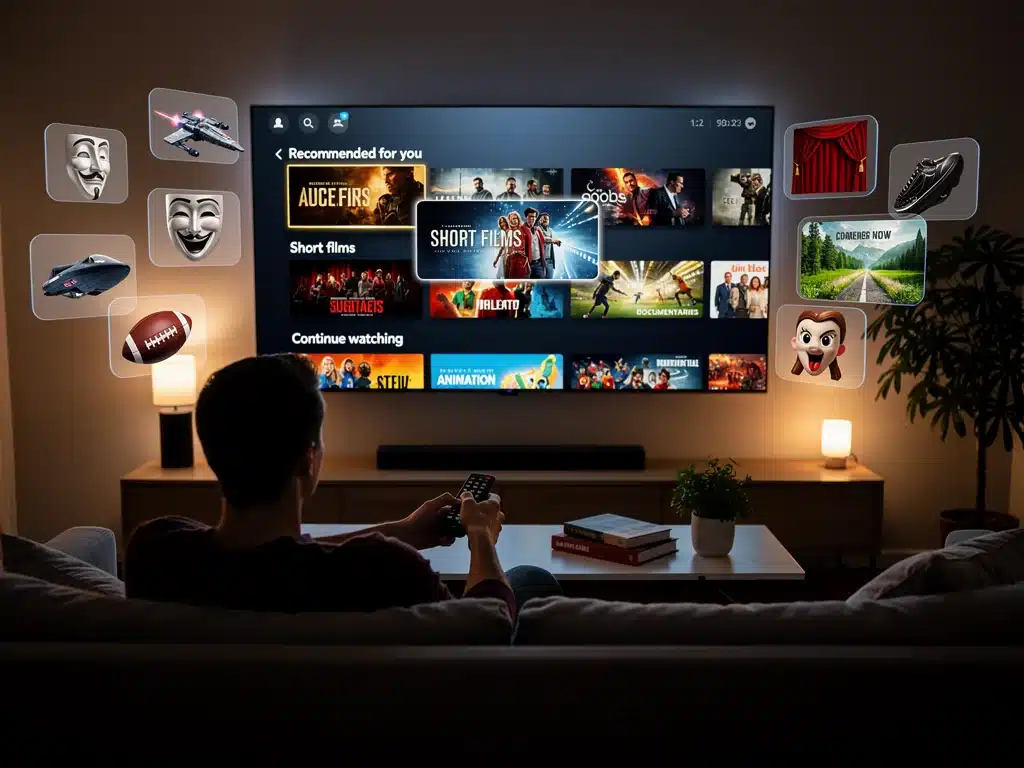
Streaming services, particularly those with dedicated short film sections or curated collections, are gaining traction. This suggests that discoverability and algorithmic recommendations play a significant role in audience engagement with short films.
Furthermore, social media platforms are not just for discovery but also for direct consumption, with many viewers watching entire short films embedded within their feeds.
This integrated experience blurs the lines between social interaction and entertainment, fostering a more communal viewing experience.
The Rise of Curated Content and Niche Platforms
The proliferation of curated content channels and niche streaming platforms specifically for short films is a testament to evolving viewing habits.
These platforms cater to specific tastes and genres, allowing audiences to explore content that aligns with their interests more deeply.
Audiences are increasingly seeking out content that resonates with their personal values and artistic preferences.
This trend underscores the importance of genre diversity and thematic depth in attracting and retaining the 2026 US Short Film Audience.
Filmmakers benefit from these specialized platforms by reaching highly engaged viewers who are actively looking for short films.
This targeted approach can lead to more meaningful interactions and a stronger sense of community around specific works.
- Short-form content apps: Platforms like Vimeo Staff Picks, Short of the Week, and even dedicated film festival apps are becoming essential viewing hubs.
- Social Media Integration: Instagram Reels, YouTube Shorts, and TikTok are not just promotional tools but direct consumption channels for short films.
- Personalized Recommendations: Algorithms play a crucial role in introducing viewers to new short films, tailoring suggestions based on past viewing behavior.
Impact of Content Diversity on Engagement
The diversity of themes, genres, and voices presented in short films directly correlates with increased audience engagement.
The 2026 US Short Film Audience actively seeks out stories that reflect a wide array of human experiences and perspectives.
Films that explore social issues, cultural narratives, and experimental storytelling techniques often generate significant buzz and discussion.
This desire for meaningful and thought-provoking content is a hallmark of the evolving audience.
Filmmakers who embrace diverse narratives and production teams are better positioned to capture the attention and loyalty of this dynamic audience. Authenticity and representation are key drivers of connection and engagement.
Storytelling Trends and Audience Preferences
Current trends indicate a strong preference for narratives that are concise, emotionally resonant, and visually striking. The ability to convey a compelling story within a limited runtime is highly valued by short film enthusiasts.
Audiences are drawn to innovative storytelling techniques and films that push creative boundaries.
This includes experimental formats, animation, and hybrid genres that offer fresh perspectives and unique viewing experiences to the 2026 US Short Film Audience.
The demand for content that is both entertaining and intellectually stimulating is on the rise. Short films that manage to achieve this balance often stand out and achieve viral success within their respective niches.
The Role of Social Media in Discovery and Discussion
Social media platforms are indispensable for both the discovery and discussion of short films. Viewers actively share, review, and recommend content, creating organic virality that can significantly boost a film’s reach and impact.
Filmmakers and distributors leverage platforms like Twitter, Instagram, and Reddit to engage directly with their audience, fostering a sense of community and connection.
This direct interaction helps build anticipation for new releases and sustains interest in existing works.
The ability for audiences to easily share snippets or trailers of short films across their networks amplifies their reach beyond traditional marketing channels.
This peer-to-peer recommendation system is highly effective in influencing viewing choices within the 2026 US Short Film Audience.
Community Building and Fan Engagement
Beyond passive viewing, the 2026 US Short Film Audience is increasingly active in online communities dedicated to short films.
These communities provide spaces for discussion, critique, and appreciation, enriching the overall viewing experience.
Filmmakers who actively participate in these communities, engaging with feedback and sharing behind-the-scenes content, can cultivate a loyal fanbase.
This direct engagement fosters a deeper connection between creators and their audience.
Online film festivals and virtual Q&As have also become popular, allowing a global audience to participate and interact with filmmakers directly.
This accessibility enhances the sense of community and makes the short film experience more inclusive.
Monetization Strategies and Industry Implications
The increased engagement of the 2026 US Short Film Audience has significant implications for monetization strategies within the industry.
While direct ticket sales for short film screenings remain niche, advertising revenue, subscription models, and licensing deals are growing.
Platforms that offer ad-supported content or premium subscriptions are benefiting from the surge in viewership.
This provides filmmakers with new avenues for revenue generation, moving beyond traditional festival circuits.
Additionally, successful short films are increasingly being used as proof-of-concept for feature-length projects, attracting investment and talent.
This serves as a vital stepping stone for emerging filmmakers to transition into larger productions.
Challenges and Opportunities for Filmmakers
While the opportunities are vast, filmmakers also face challenges in breaking through the noise of an oversaturated content market.
High-quality production values and compelling storytelling are more crucial than ever to capture the attention of the 2026 US Short Film Audience.
Securing adequate funding remains a hurdle for many independent short film projects. However, crowdfunding platforms and grants specifically for short films are helping to bridge this gap, allowing diverse stories to be told.
The evolving distribution landscape requires filmmakers to be agile and adapt to new technologies and audience behaviors. Understanding data analytics and audience insights is becoming an essential skill for successful content creators.
Forecasting Future Trends in Short Film Engagement
Looking ahead to 2026, several trends are poised to further shape the short film landscape and influence audience engagement.
Interactive storytelling, virtual reality, and augmented reality experiences are emerging as new frontiers for short-form content.
The integration of AI in content creation and personalization will likely lead to even more tailored viewing experiences for the 2026 US Short Film Audience.
This could mean hyper-relevant recommendations and even dynamically generated content elements.
Furthermore, the continued blurring of lines between professional and amateur content will likely foster a more dynamic and inclusive creative environment.
User-generated content will increasingly compete with, and influence, professionally produced short films.
Technological Innovations and Their Impact
Advances in mobile filmmaking technology are empowering more creators to produce high-quality short films with fewer resources. This democratization of production tools will contribute to a greater diversity of voices and narratives.
Improvements in streaming technology, including higher resolutions and lower latency, will enhance the viewing experience across all devices. This will make short films even more appealing to a tech-savvy 2026 US Short Film Audience.
The growth of 5G networks will further facilitate seamless streaming and downloading of short films, even in areas with limited broadband access. This expanded accessibility will broaden the reach of short film content to new demographics.
Educational and Festival Circuit Influence
Film schools and educational programs are increasingly focusing on short film production, recognizing its importance as a foundational art form and a pathway to feature filmmaking.
This institutional support helps cultivate new talent and innovative storytelling.
The short film festival circuit continues to be a crucial platform for discovery, networking, and critical acclaim.
Festivals provide essential visibility for emerging filmmakers and offer curated selections for enthusiastic audiences, shaping the preferences of the 2026 US Short Film Audience.
These festivals often serve as incubators for new trends and movements within the short film genre, influencing broader industry practices and audience expectations.
Their role in shaping the cultural conversation around short films remains significant.
The Role of Film Education
Film education is adapting to the fast-paced nature of short-form content, teaching students not only traditional filmmaking techniques but also digital distribution and audience engagement strategies.
This prepares new filmmakers for the realities of the modern industry.
Workshops and masterclasses focused on short film creation are helping to upskill a new generation of content creators.
These educational initiatives are vital for maintaining a high standard of storytelling and technical execution within the genre, benefiting the 2026 US Short Film Audience.
Marketing and Promotion in a Digital Age
Effective marketing for short films in 2026 relies heavily on digital strategies, leveraging social media, influencer partnerships, and targeted advertising.
Traditional promotional methods are being augmented by data-driven approaches to reach specific audience segments.
Understanding audience analytics—such as watch time, completion rates, and re-watches—is crucial for refining marketing campaigns and optimizing content for maximum impact.
This data-centric approach ensures resources are allocated efficiently.
Collaborations with online communities and cultural influencers are proving particularly effective in generating buzz and driving viewership.
Authentic endorsements from trusted voices resonate strongly with the discerning 2026 US Short Film Audience.
Data-Driven Marketing Strategies
The use of AI and machine learning in marketing allows for highly personalized content recommendations and ad placements, reaching potential viewers who are most likely to engage with specific short film genres.
This precision marketing minimizes waste and maximizes reach.
A/B testing of trailers, synopses, and promotional images helps filmmakers understand what resonates best with their target demographic.
This iterative approach to marketing ensures campaigns are continually optimized for performance, enhancing engagement with the 2026 US Short Film Audience.
Engagement metrics from various platforms provide invaluable feedback, allowing filmmakers to refine their storytelling, pacing, and thematic choices for future projects.
This feedback loop is essential for continuous improvement and staying relevant in a competitive landscape.
| Key Point | Brief Description |
|---|---|
| Audience Growth | 18% engagement increase projected for 2026 US short film viewers. |
| Demographic Focus | Younger, diverse audience (Gen Z, Millennials) drives viewing habits. |
| Viewing Platforms | Mobile and smart TVs, with strong influence from streaming and social media. |
| Content Strategy | Emphasis on diverse, authentic, and socially relevant narratives for engagement. |
Frequently Asked Questions About the 2026 US Short Film Audience
The primary drivers are Gen Z and younger millennials (ages 18-34), who show a strong preference for digital content. This demographic values authenticity, diverse narratives, and social relevance, actively seeking out content that aligns with their personal values and experiences.
Mobile devices and smart TVs are the dominant viewing platforms due to convenience and accessibility. Streaming services with curated short film sections, along with social media platforms like YouTube, TikTok, and Instagram, are crucial for both discovery and direct consumption of short films.
Content diversity is extremely important. The audience actively seeks out a wide array of themes, genres, and voices that reflect diverse human experiences. Films exploring social issues, cultural narratives, and experimental storytelling resonate strongly, fostering deeper engagement and discussion.
Social media is vital for both discovery and discussion. Viewers share, review, and recommend films, creating organic virality. Filmmakers use these platforms for direct engagement, building communities, and promoting content, amplifying reach beyond traditional marketing channels through peer-to-peer recommendations.
Monetization is shifting from niche screenings to digital avenues. Advertising revenue, subscription models on streaming platforms, and licensing deals are growing. Successful short films also serve as critical proof-of-concept for larger feature projects, attracting further investment and talent to the industry.
What this means
The projected 18% increase in engagement for the 2026 US Short Film Audience signals a dynamic and evolving market.
Filmmakers and distributors must adapt to these shifts, focusing on diverse content, digital distribution, and active audience engagement to thrive.
Understanding the specific demographic preferences and viewing habits is no longer optional but essential for strategic planning and maximizing impact in the burgeoning short film sector, particularly as major studios increasingly target mobile-first viewers through rapidly growing vertical microdramas.