Why 3 Forgotten 1990s Sci-Fi Masterpieces Restored in 4K Outperform Modern Blockbusters in Narrative Depth
Advertisements
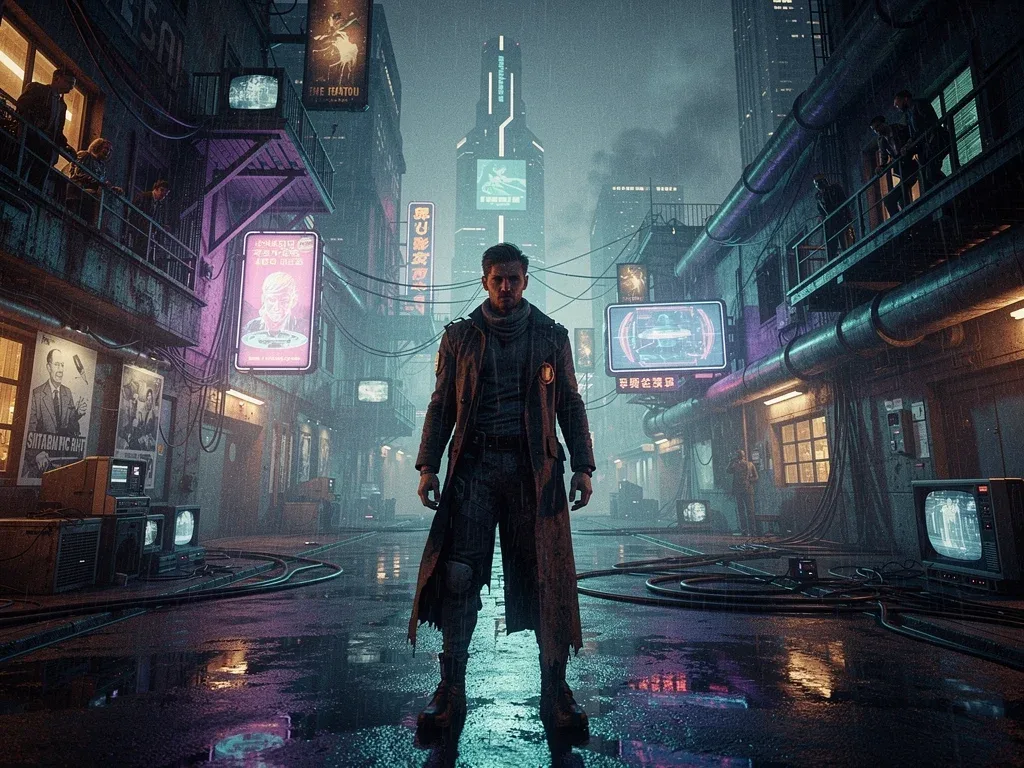
Have you ever watched a modern, CGI-drenched spectacle and felt... absolutely nothing? While today’s tentpoles prioritize visual overload, a quiet revolution is happening in home theater setups, where forgotten 1990s sci-fi masterpieces are making an astonishing comeback in crisp 4K.
These recently restored gems reveal a stark contrast between two eras of filmmaking. Where current blockbusters lean heavily on surface-level polish and predictable tropes, these vintage treasures build immersive worlds fueled by thematic ambition, psychological tension, and genuine philosophical weight.
Their sudden resurgence isn't just nostalgia—it’s a wake-up call for modern cinema. By stripping away outdated transfer quality, these vivid restorations expose a timeless truth: when bold concepts and character-driven writing lead the way, the story always outlasts the spectacle.
The Enduring Allure of 90s Sci-Fi Narratives
The 1990s produced a distinct brand of science fiction, characterized by a blend of philosophical inquiry and technological speculation. These films often prioritized character development and intricate plots over explosive visual effects, fostering a deeper connection with their audiences.
Many of these productions were not immediate box office titans but cultivated a devoted following over time. Their recent 4K restorations highlight the timeless quality of their narratives, proving that compelling stories transcend technological advancements in filmmaking.
The clarity and detail brought by 4K technology serve only to enhance the original artistic intentions, allowing viewers to appreciate the nuanced performances and intricate world-building that defined this era.
Crafting Deeper Worlds
Unlike some modern blockbusters, 90s sci-fi often built its worlds with a sense of lived-in realism, even when depicting fantastical elements. This approach allowed for a more immersive experience, grounding speculative concepts in relatable human experiences.
The emphasis was frequently on the human condition, exploring themes of identity, memory, and the impact of technology on society. These narratives invited contemplation, leaving audiences with questions long after the credits rolled.
World-building prioritized internal consistency and thematic relevance.
Characters faced moral dilemmas that drove the plot, not just action sequences.
Technological advancements served the story, rather than dominating it.
When Vision Outweighs Visuals: The Power of Subtext
Modern blockbusters frequently leverage cutting-edge CGI to create breathtaking spectacles. While impressive, this reliance can sometimes overshadow the narrative, reducing films to a series of visually stunning but emotionally hollow set pieces.
The forgotten 1990s sci-fi masterpieces, in contrast, often used visual effects sparingly and effectively, allowing subtext and character interactions to carry the emotional weight. Their narratives were designed to provoke thought, rather than merely elicit awe.
The 4K restorations reveal the artistry in their original cinematography and production design, demonstrating how a clear artistic vision, even with limited resources, can create a more impactful and lasting experience. This is a key aspect of forgotten 1990s sci-fi masterpieces.
The Art of Implied Meaning
Subtext in these 90s films was not an accident but a deliberate choice, encouraging active audience engagement. Viewers were often asked to piece together motivations and consequences, fostering a more intellectual and rewarding experience.
This approach stands in stark contrast to films where every plot point is explicitly stated, leaving little room for interpretation. The subtlety of 90s storytelling allowed for multiple readings and discussions, extending the film's life beyond a single viewing.
The 4K resolution now makes these subtle visual cues and performances even more apparent, deepening the appreciation for their layered storytelling. This enhanced clarity underscores forgotten 1990s sci-fi masterpieces.
The renewed interest in these films highlights a critical shift in audience preferences, moving towards content that offers more than just fleeting entertainment. The debate over forgotten 1990s sci-fi masterpieces.
Case Study 1: Narrative Resonance in Dark City (1998)
Alex Proyas's 'Dark City' is a prime example of a 1990s sci-fi film that delves deep into existential questions. Its labyrinthine plot and dystopian setting create a compelling exploration of identity, memory, and free will, themes that remain profoundly relevant today.
The film's unique visual style, which blends noir aesthetics with futuristic elements, is magnificently showcased in its 4K restoration. This enhanced clarity allows viewers to fully appreciate the intricate set designs and the unsettling atmosphere that underpins its complex narrative.
Unlike many modern blockbusters that present clear-cut heroes and villains, 'Dark City' offers moral ambiguity and psychological depth, forcing audiences to confront uncomfortable truths about human nature and societal control.
The depth of its narrative is a core reason on forgotten 1990s sci-fi masterpieces.
Unpacking 'Dark City's' Themes
'Dark City' masterfully uses its sci-fi premise to explore profound philosophical ideas. The concept of 'The Strangers' manipulating human reality serves as a powerful metaphor for societal control and the illusion of choice.
The protagonist, John Murdoch, embarks on a journey of self-discovery that is both thrilling and intellectually stimulating. His struggle to reclaim his memories and understand his true identity resonates deeply with viewers grappling with their own sense of self in an increasingly complex world.
The film's ending, while offering a form of resolution, still leaves room for contemplation, a hallmark of superior storytelling that distinguishes it from more formulaic narratives.
The layered storytelling is a crucial component of forgotten 1990s sci-fi masterpieces.
Case Study 2: Gattaca (1997) and Genetic Determinism
Andrew Niccol's 'Gattaca' presents a chillingly plausible future where genetic engineering dictates social hierarchy. This film's narrative explores themes of discrimination, ambition, and the human spirit's ability to defy predetermined destinies, all without a single explosion.
The 4K restoration beautifully accentuates the film's minimalist yet elegant aesthetic, highlighting the sterile, controlled environment that mirrors its characters' constrained lives. The visual precision enhances the narrative's impact, making every detail count.
Its power lies in its quiet intensity and the profound questions it raises about ethics and equality. 'Gattaca' offers a narrative depth that encourages introspection, a quality often missing in today's spectacle-driven cinema.
This compelling narrative is another point on forgotten 1990s sci-fi masterpieces.
The Human Element in a Genetically Engineered World
'Gattaca' focuses on Vincent Freeman's relentless pursuit of his dreams in a society that has deemed him genetically inferior. His story is a poignant testament to the power of human will and perseverance against overwhelming odds.
The film skillfully uses its futuristic setting to comment on present-day issues of prejudice and the pressure to conform. It's a narrative that forces audiences to consider the potential ethical pitfalls of unchecked scientific advancement.
Explores the societal implications of genetic discrimination.
Highlights the resilience of the human spirit.
Presents a future that feels both distant and eerily possible.
Case Study 3: The Thirteenth Floor (1999) and Simulated Realities
Josef Rusnak's 'The Thirteenth Floor,' released in the same year as 'The Matrix,' offers an equally compelling, albeit less recognized, exploration of simulated realities. Its intricate plot twists and philosophical undertones provide a gripping narrative that questions the nature of existence.
The 4K restoration brings a new level of clarity to its sophisticated visual effects and detailed period settings, which cleverly blur the lines between different simulated eras. This visual enhancement serves to deepen the mystery at the heart of the story.
The film's narrative complexity, with its multiple layers of reality, challenges viewers to constantly re-evaluate what they perceive as real. This intellectual engagement is a significant factor in forgotten 1990s sci-fi masterpieces.
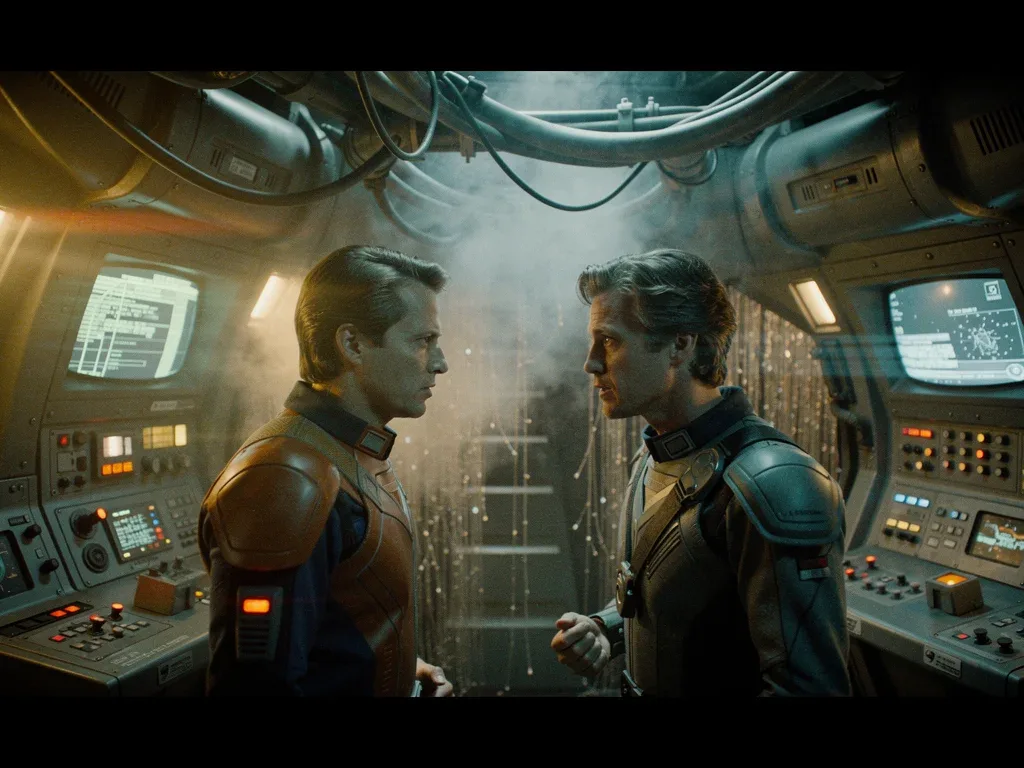
While 'The Matrix' garnered mainstream success, 'The Thirteenth Floor' quietly delivered a narrative equally rich in philosophical inquiry and suspense. Its rediscovery through 4K restoration is a testament to its enduring quality.
Layers of Deception and Reality
'The Thirteenth Floor' masterfully constructs a narrative where reality is constantly shifting, keeping the audience on edge. The film's exploration of consciousness within a simulated world is both thought-provoking and disorienting.
The characters' journey to uncover the truth about their existence is a compelling metaphor for the human quest for meaning and understanding. The film's ability to maintain suspense while delving into complex philosophical questions is a testament to its narrative strength.
The subtle clues and red herrings scattered throughout the plot become even more apparent in 4K, enriching the viewing experience and inviting repeat watches to uncover new details. This intricate plotting is a crucial aspect of forgotten 1990s sci-fi masterpieces.
The Role of 4K Restoration in Rediscovery
The advent of 4K restoration has been a game-changer for many classic films, but it holds particular significance for these 1990s sci-fi masterpieces. The enhanced resolution and improved color fidelity allow audiences to experience these films as never before, often surpassing their original theatrical presentations.
This technological upgrade not only preserves these important cinematic works but also reintroduces them to a new generation of viewers who might otherwise overlook them. The visual upgrade serves as a gateway to their profound narrative qualities.
The meticulous work involved in 4K restoration ensures that every detail, from subtle facial expressions to intricate set pieces, is brought to the forefront, allowing the original artistic vision to shine. This clarity helps illustrate forgotten 1990s sci-fi masterpieces.
Bringing Lost Details to Light
Many of these films were shot on high-quality film stock, and 4K scanning unlocks the full potential of that original capture. The result is a level of detail and texture that was simply not possible with previous home video formats.
This enhanced visual fidelity allows for a deeper appreciation of the filmmakers' craft, from cinematography to production design. It makes a strong case for forgotten 1990s sci-fi masterpieces.
Improved resolution reveals previously unseen details.
Enhanced color grading restores original artistic intent.
Preserves cinematic heritage for future generations.
Comparing Narrative Depth: 90s vs. Modern Blockbusters
The comparison between these restored 1990s films and contemporary blockbusters often highlights a fundamental difference in storytelling priorities. While modern films frequently aim for broad appeal through spectacle, the 90s masterpieces focused on intellectual and emotional engagement.
This is not to say modern blockbusters lack narrative entirely, but the emphasis has shifted. The forgotten films leveraged their sci-fi premises to explore complex human issues, whereas some current productions use sci-fi as a backdrop for action sequences.
The enduring power of these 90s narratives lies in their ability to make audiences think and feel deeply, rather than just be entertained. This is the core argument for forgotten 1990s sci-fi masterpieces.
The Shift in Storytelling Paradigms
The economic pressures of modern filmmaking often lead to a more formulaic approach, prioritizing predictable plot structures and mass appeal. This can sometimes stifle creative risk-taking and thematic complexity.
In contrast, many 90s sci-fi films, operating with different industry dynamics, were able to take more chances with their narratives. They were less constrained by the need for universal marketability, allowing for more niche and intellectually stimulating stories.
The current appreciation for these restored films suggests a growing appetite for stories that challenge and provoke, rather than simply confirming expectations. This trend underscores forgotten 1990s sci-fi masterpieces.
The Impact of Practical Effects on Narrative Immersion
One significant factor contributing to the narrative depth of these 1990s sci-fi films is their judicious use of practical effects. While CGI offers boundless possibilities, practical effects often lend a tangible realism that can be more immersive and believable.
The physical presence of models, animatronics, and on-set constructs grounds the fantastical elements in a way that purely digital creations sometimes struggle to achieve. This tactile quality enhances the audience's suspension of disbelief.
The 4K restorations beautifully showcase the artistry and ingenuity behind these practical effects, revealing details that were perhaps less apparent in their initial releases. This tangible quality is a key reason on forgotten 1990s sci-fi masterpieces.
Authenticity Through Tangible Craft
Practical effects often require immense creativity and craftsmanship, resulting in unique and memorable visual designs. These designs frequently become integral to the film's identity and contribute to its lasting impact.
The limitations of practical effects also often forced filmmakers to be more inventive with their storytelling, finding ways to imply grandeur or danger without relying on overwhelming digital imagery. This constraint fostered a focus on narrative over spectacle.
When these effects are brought to life in 4K, their intricate details and physical presence create a sense of authenticity that digital effects, no matter how advanced, can struggle to replicate.
This authenticity is vital to understanding forgotten 1990s sci-fi masterpieces.
The Return of Thought-Provoking Sci-Fi
The resurgence of interest in these 1990s sci-fi masterpieces, particularly through their 4K restorations, signals a broader cultural appetite for more intellectually stimulating cinema. Audiences are increasingly seeking films that offer more than just escapism.
This trend suggests a potential shift in the filmmaking landscape, where narrative depth and thematic complexity might once again take precedence over sheer visual bombast. The success of these re-releases serves as a powerful reminder of what truly resonates with viewers.
The conversation around forgotten 1990s sci-fi masterpieces is not just nostalgic; it's a critical examination of cinematic values and storytelling efficacy. The quality of these 90s sci-fi films restored in 4K provides a benchmark for narrative excellence.
Setting New Standards for Storytelling
These films, once considered niche, are now being recognized as benchmarks for narrative excellence in the sci-fi genre. Their ability to tackle complex ideas with nuance and sophistication stands as a testament to their enduring quality.
The appreciation for their layered plots, well-developed characters, and thoughtful themes serves as a challenge to contemporary filmmakers. It demonstrates that a strong story, compellingly told, will always find its audience, regardless of the era.
The ongoing discussion around forgotten 1990s sci-fi masterpieces is driving a re-evaluation of what makes a truly great science fiction film. The impact of 90s sci-fi 4K restoration is undeniable.
Key Narrative Element | Description |
|---|---|
Philosophical Depth | Exploration of profound existential and societal questions. |
Character-Driven Plots | Focus on character development and internal struggles over external action. |
Subtle World-Building | Creation of immersive worlds through intricate details and atmosphere. |
Lasting Impact | Films provoke thought and discussion long after viewing. |
Frequently Asked Questions About 90s Sci-Fi 4K Restorations
Why are these 1990s sci-fi films being rediscovered now?▼
The primary driver is the release of high-quality 4K restorations, which revitalize their visual and audio fidelity. This allows a new generation to appreciate their narrative depth, complex themes, and unique cinematic artistry, often surpassing modern blockbusters in storytelling.
What defines narrative depth in these forgotten 90s sci-fi masterpieces?▼
Narrative depth in these films stems from their focus on philosophical questions, character development, and intricate plots. They explore complex human conditions, ethical dilemmas, and societal impacts of technology, encouraging intellectual engagement beyond mere spectacle.
How do 4K restorations enhance the viewing experience of these films?▼
4K restorations bring unparalleled clarity, detail, and color accuracy, revealing subtle nuances in cinematography, production design, and performances. This enhanced fidelity allows viewers to fully immerse themselves in the meticulously crafted worlds and appreciate the original artistic intentions.
Are these films truly 'forgotten' or just underappreciated?▼
While some achieved cult status, they were often overshadowed by bigger blockbusters at their initial release. 'Forgotten' implies a lack of mainstream recognition, making their 4K restoration a vital step in bringing them the broader appreciation their narrative depth deserves.
What can modern blockbusters learn from these 90s sci-fi films?▼
Modern blockbusters can learn the value of prioritizing narrative and character over excessive CGI. These 90s films demonstrate that compelling storytelling, intellectual engagement, and thematic richness create a more enduring and impactful cinematic experience than purely visual spectacle.
Perspectives
The re-emergence of these 1990s sci-fi masterpieces in stunning 4K is more than just a nostalgic trip; it's a critical moment for cinematic appreciation.
It underscores a growing demand for films that challenge and provoke thought, moving beyond the superficiality often found in modern blockbusters.
The continued discussion around forgotten 1990s sci-fi masterpieces will undoubtedly influence future filmmaking, encouraging a return to storytelling excellence and thematic richness. This trend highlights the enduring power of well-crafted narratives.