Navigating the 2026 Shift: Streaming Deals Redefine International Cinema
Advertisements
New streaming deals heading into 2026 are fundamentally reshaping how international cinema reaches U.S. audiences.
Major platforms and global distributors are forging landmark agreements that alter traditional theatrical windows and licensing models.
This brief update covers what changed, why it matters for global film distribution, and what U.S. viewers and industry players should monitor next.
The Evolving Landscape of International Film Distribution
The year 2026 marks a pivotal moment for international cinema distribution in the United States, driven by a series of new streaming deals.
These agreements are fundamentally altering traditional models, shifting power dynamics and creating unprecedented opportunities for global content.
Previously, international films often faced significant hurdles in reaching U.S. audiences, primarily due to limited theatrical releases and fragmented home video markets.
The impending shifts promise a more streamlined, digital-first approach to content delivery.
This transformation is not merely about technology; it represents a significant cultural and economic recalibration.
The accessibility of diverse narratives stands to increase dramatically, impacting both creators and consumers across the nation.
Understanding the Core of the 2026 Shift
At the heart of Navigating the 2026 Shift: How New Streaming Deals are Redefining International Cinema Distribution in the U.S. lies the expiration and renegotiation of major studio output deals and legacy licensing agreements.
These expiring contracts create a vacuum that streaming giants are eager to fill, often with more favorable terms for international content.
The shift is also fueled by changing consumer preferences, with American audiences demonstrating a growing appetite for non-English language films and series.
Streaming platforms, inherently global in their reach, are uniquely positioned to capitalize on this demand, investing heavily in acquisition and localization.
This strategic pivot by major streaming services indicates a long-term commitment to international content as a cornerstone of their growth strategies.
The financial incentives for producers and distributors of global films are becoming increasingly attractive, fostering a more competitive market.
Key Drivers of the Transformation
- Expiring Legacy Deals: Major studio and network contracts are concluding, freeing up significant content libraries.
- Increased Global Content Demand: U.S. audiences are actively seeking diverse international narratives and productions.
- Streaming Platform Expansion: Companies like Netflix, Amazon Prime Video, and HBO Max are aggressively pursuing exclusive international content.
- Technological Advancements: Improved subtitling, dubbing, and localized marketing capabilities enhance accessibility.
Impact on Traditional Distribution Channels
The rise of streaming platforms presents both challenges and opportunities for conventional theatrical and home video distributors.
While cinemas may see a decrease in exclusive international releases, they could also benefit from niche programming and event screenings of acclaimed global films.
Independent distributors, historically crucial for bringing international cinema to the U.S., are adapting by forging new partnerships with streaming services.
This allows them to leverage digital reach while maintaining their curation and acquisition expertise, ensuring a wider breadth of films can still find an audience.
The shift also necessitates a re-evaluation of release windows, with many international films potentially bypassing traditional theatrical runs in favor of direct-to-streaming debuts.
This accelerates access for consumers but also raises questions about the theatrical experience for non-English language films.
New Business Models and Revenue Streams
The new streaming deals are introducing innovative business models that prioritize global reach and subscriber acquisition.
Many agreements now include upfront payments, minimum guarantees, and performance-based bonuses, offering more financial stability to international filmmakers.
Furthermore, the data collected by streaming platforms provides invaluable insights into audience preferences, allowing for more targeted content acquisition and personalized recommendations.
This data-driven approach is refining the selection process for international films, ensuring greater resonance with U.S. viewers.
Subscription Video-on-Demand (SVOD) and Advertising-based Video-on-Demand (AVOD) models are both playing significant roles.
SVOD platforms are focusing on exclusive, high-quality international originals, while AVOD services are expanding access to a broader catalog of licensed global content, often at no direct cost to the consumer.
Shifting Financial Paradigms
- Upfront Acquisitions: Increased investment from streamers for exclusive rights to international films.
- Global Licensing: Deals often cover multiple territories, simplifying rights management for producers.
- Data-Driven Content Strategy: Analytics inform acquisition decisions, optimizing for audience engagement.
- Hybrid Models: Some films may see limited theatrical runs followed by rapid streaming releases, maximizing revenue.
The Role of Technology in Enhanced Accessibility
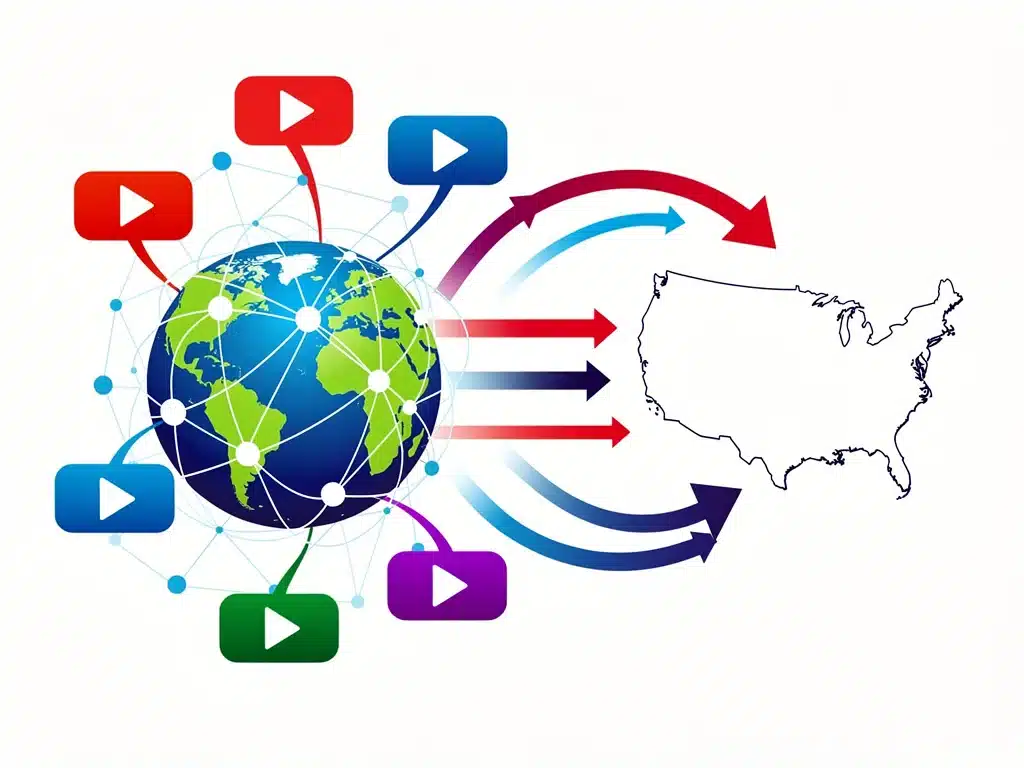
Technological advancements are paramount in Navigating the 2026 Shift: How New Streaming Deals are Redefining International Cinema Distribution in the U.S..
Sophisticated subtitling and dubbing technologies are breaking down language barriers more effectively than ever before, making international films digestible for a wider U.S. audience.
AI-powered translation tools and professional localization services ensure that cultural nuances are preserved, enhancing the viewing experience.
This investment in localization is crucial for bridging the gap between foreign productions and American sensibilities, fostering deeper engagement.
Moreover, personalized recommendation algorithms on streaming platforms are introducing U.S. viewers to international films they might not have discovered through traditional channels.
This algorithmic curation broadens horizons and diversifies viewing habits, making global cinema more mainstream.
Challenges and Opportunities for Filmmakers
For international filmmakers, the 2026 shift presents a mixed bag of challenges and opportunities.
While increased funding and global reach are significant advantages, there are concerns about creative control and the potential for homogenization of content to appeal to broader audiences.
Filmmakers now have unparalleled access to a global audience, which can translate into greater recognition and financial rewards.
However, negotiating complex international streaming deals requires expertise, often necessitating new partnerships with specialized agencies and legal counsel.
The demand for diverse storytelling is at an all-time high, encouraging filmmakers to explore unique cultural narratives.
This environment fosters creativity and provides a platform for voices that might otherwise remain unheard in the U.S. market.
Consumer Experience and Audience Growth
U.S. consumers stand to gain significantly from these evolving distribution models.
The sheer volume and diversity of international films available at their fingertips will expand their cinematic choices exponentially, moving beyond Hollywood-centric offerings.
The convenience of on-demand access means audiences can explore films from around the world at their own pace, fostering a more adventurous viewing culture.
This accessibility has the potential to cultivate a new generation of international film enthusiasts, bridging cultural divides through storytelling.
However, the challenge for consumers will be navigating the vast catalogs and discovering hidden gems amidst the sheer volume of content.
Effective curation and discovery tools will be key to ensuring a positive and enriching viewing experience for those engaging with global cinema.
Regulatory Considerations and Market Dynamics
The rapid expansion of streaming platforms and their influence on international film distribution are also drawing the attention of regulators.
Concerns about market dominance, content diversity, and intellectual property rights are emerging as key discussion points, particularly in the U.S. context.
Policymakers may consider new regulations to ensure fair competition and support independent producers, both domestically and internationally.
These discussions will shape the long-term landscape of how international films are acquired, distributed, and monetized in the U.S. market.
The market dynamics are highly fluid, with new players and partnerships continually emerging.
This competitive environment, while beneficial for consumers, also requires constant vigilance from industry stakeholders to adapt to evolving trends and potential disruptions.
| Key Point | Brief Description |
|---|---|
| 2026 Shift Catalyst | Expiration of major studio and network content licensing agreements. |
| Streaming Dominance | Platforms like Netflix and Amazon are aggressively acquiring international film rights. |
| Audience Impact | U.S. viewers gain unprecedented access to diverse global cinematic content. |
| Filmmaker Opportunities | Increased funding, global reach, and new revenue streams for international productions. |
Frequently Asked Questions About the 2026 Streaming Shift
The 2026 shift refers to the expiration of numerous long-term content licensing deals between major Hollywood studios, networks, and traditional distributors. This opens the door for streaming services to acquire a vast array of international content, fundamentally reshaping how these films reach audiences in the U.S. It marks a significant transition to digital-first distribution models.
U.S. audiences will experience significantly broader and more immediate access to international films. Streaming platforms are investing heavily in acquiring diverse global content, often releasing it directly to subscribers. This means a greater variety of non-English language films will be readily available, breaking down traditional barriers of limited theatrical runs and niche distribution.
While streaming will dominate, traditional cinemas can still play a vital role. They may pivot to showcasing acclaimed international films for limited runs, special events, or festivals, catering to a cinephile audience seeking the communal theatrical experience. The challenge lies in adapting business models to coexist with the pervasive reach of streaming platforms.
International filmmakers stand to benefit from increased funding, broader global exposure, and more stable revenue streams. Streaming platforms offer significant upfront payments and wider distribution reach, allowing films to bypass traditional, often costly, marketing and distribution hurdles. This fosters more creative freedom and financial viability for diverse storytelling.
Potential drawbacks include concerns over creative control, as streamers might exert influence to ensure broader appeal, potentially leading to content homogenization. There are also questions about fair compensation for artists and the long-term sustainability of independent distributors who historically championed international cinema. Market dominance by a few large platforms is another consideration.
Looking Ahead: The Future of Global Cinema in the U.S.
The Navigating the 2026 Shift: How New Streaming Deals are Redefining International Cinema Distribution in the U.S. represents a profound restructuring of the film industry.
Stakeholders, from major studios to independent filmmakers and distributors, are actively adapting to these changes.
The increased accessibility of global content for U.S. audiences is undeniable, fostering cultural exchange and diversifying viewing habits.
To explore how major media consolidation and distribution shifts are reshaping consumer choice in this modern era, read the Cato Institute’s Analysis on Media Landscape Innovation and the Paramount–Warner Bros. Deal.
The coming years will reveal the full impact of these shifts, underlining the need for continued innovation and strategic partnerships in this evolving landscape.