Unlocking Global Audiences: 3 Proven Marketing Strategies for International Films in the U.S. Market by 2026
Advertisements
In a world overflowing with content, cracking the American box office requires localized marketing strategies for international films that go beyond basic subtitling. Audience habits have shifted dramatically, making traditional release playbooks obsolete.
To break through the noise in 2026, foreign distributors must master localized positioning, digital community-building, and cross-cultural storytelling. Adapting your promotional blueprint to regional nuances is no longer optional—it’s the price of entry.
Here are three battle-tested global promotion frameworks designed to turn cross-border cinema into mainstream U.S. blockbusters.
Navigating the U.S. Market: A New Era for International Cinema
The landscape for international films in the U.S. market is undergoing a significant transformation. Traditional distribution models are evolving, and new avenues for audience engagement are emerging rapidly.
Filmmakers and distributors must adapt quickly to these shifts, leveraging innovative strategies to cut through the noise and capture the attention of diverse American audiences. The goal is not just to screen films, but to cultivate a lasting appreciation for global cinematic artistry.
As we approach 2026, understanding and implementing these proven marketing strategies will be paramount for any international film aiming for widespread success and cultural impact within the competitive U.S. landscape.
Strategy 1: Targeted Digital Distribution and Hyper-Personalization
Reaching U.S. audiences for international films now demands a highly targeted and data-driven approach, moving beyond broad strokes to focus on specific demographics and interest groups. Digital platforms offer unprecedented opportunities for precision in marketing and distribution.
This strategy involves analyzing viewer data to identify niches, then deploying personalized content and advertisements that resonate directly with those segments. The aim is to build a dedicated following rather than a fleeting interest, fostering true engagement.
By 2026, success in international film marketing will largely hinge on a film’s ability to be discovered by its most receptive viewers, often through algorithms and curated digital experiences that speak to individual tastes.
Leveraging Streaming Platforms and Niche VOD
Streaming services, both major and niche, have become indispensable for international film marketing.
Platforms like Netflix, Amazon Prime Video, and Hulu offer vast reach, while specialized services such as Mubi, Film Movement Plus, and The Criterion Channel cater to cinephiles actively seeking global content.
Partnering with these platforms allows films to bypass traditional theatrical release limitations, reaching audiences directly in their homes. Furthermore, data from these platforms can inform future marketing campaigns, refining targeting and content promotion for other films.
The key is to negotiate favorable placement and promotional support, ensuring the film is visible amidst a sea of content. This requires understanding each platform’s audience and tailoring the film’s presentation accordingly.
- Identify platforms with strong international film catalogs and subscriber bases.
- Negotiate for prominent placement and dedicated promotional slots.
- Utilize platform-specific analytics to understand viewer behavior and preferences.
- Develop platform-tailored trailers and promotional materials to maximize appeal.
Data-Driven Audience Segmentation
Understanding who is watching and why is critical for effective international film marketing. Data analytics tools allow distributors to segment potential audiences based on language, cultural background, genre preferences, and even viewing habits.
This segmentation enables the creation of highly personalized marketing messages that resonate deeply with specific groups. For example, a French drama might be promoted differently to a French-speaking community in Louisiana than to indie film enthusiasts in New York.
The future of international film marketing relies on moving beyond generic campaigns to bespoke outreach, ensuring that every dollar spent on promotion yields maximum impact by reaching the right viewer with the right message.

Strategy 2: Cultivating Community and Cultural Resonance
Beyond digital distribution, building genuine connections with specific communities and emphasizing a film’s cultural significance is vital for international films to thrive in the U.S. market. This approach transforms passive viewing into active engagement and advocacy.
Connecting with diaspora communities, cultural organizations, and academic institutions can create powerful word-of-mouth marketing and foster a sense of ownership among viewers. This grassroots effort often provides a strong foundation for broader appeal.
By 2026, films that successfully tap into these cultural currents will find a loyal audience, proving that authentic connection often outweighs conventional advertising budgets in international film marketing.
Engaging Diaspora Communities and Cultural Organizations
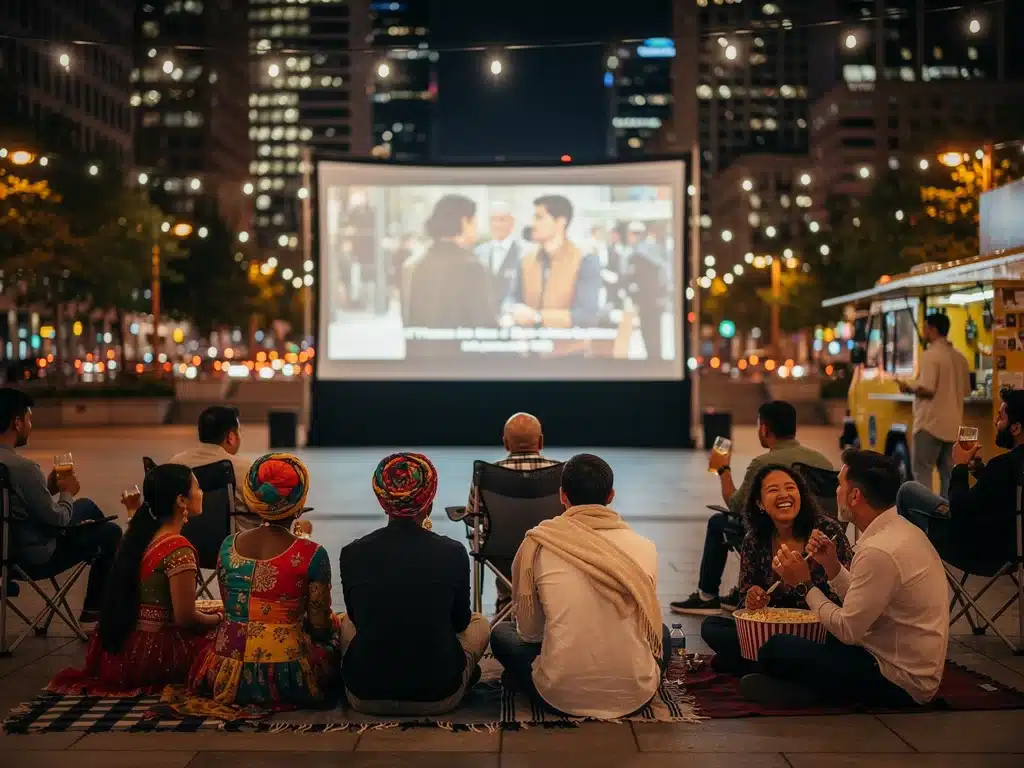
The U.S. is a melting pot of cultures, and many international films find their initial, most enthusiastic audiences within specific diaspora communities. Engaging these groups through targeted screenings, community events, and partnerships is a powerful strategy.
Working with cultural centers, community leaders, and ethnic media outlets can introduce films to receptive audiences who appreciate the cultural nuances and authentic storytelling. This also provides valuable feedback and helps build a buzz that can extend beyond the specific community.
These engagements should not be one-off events but rather sustained efforts to build relationships, making the film a part of the community’s cultural calendar. This is a cornerstone of effective international film marketing.
- Organize community screenings with Q&A sessions featuring filmmakers or cultural experts.
- Partner with cultural festivals and events relevant to the film’s origin or theme.
- Collaborate with ethnic media outlets for interviews, reviews, and promotional content.
- Support educational initiatives that use the film as a cultural or historical teaching tool.
Emphasizing Artistic Merit and Festival Circuit Presence
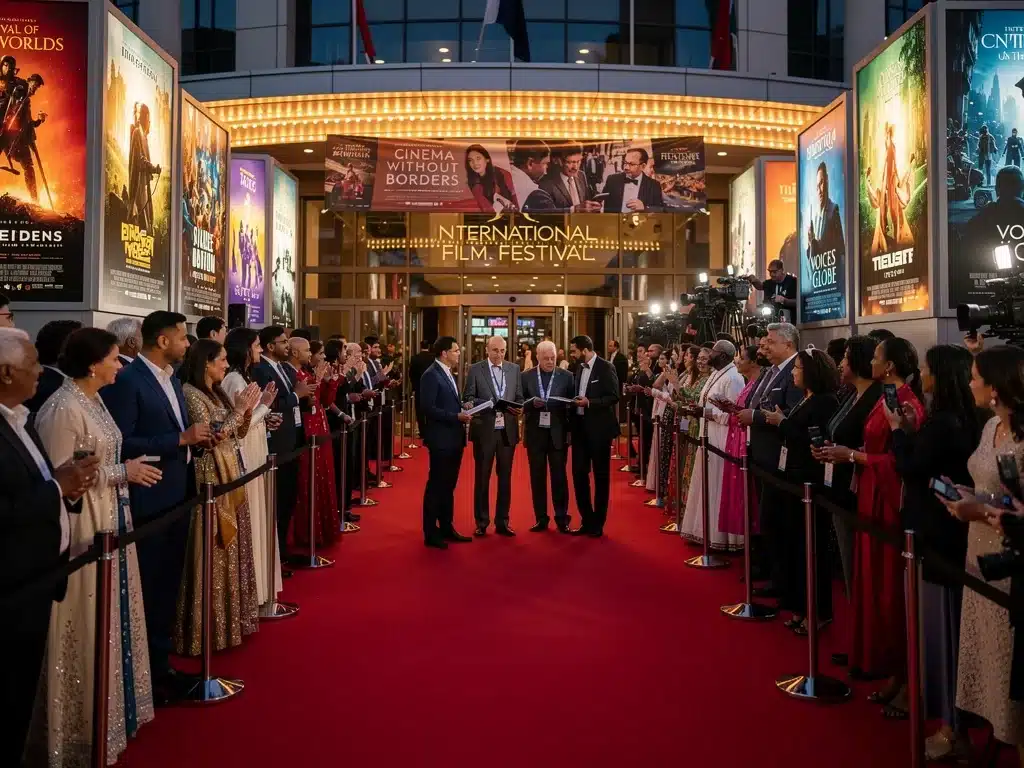
For many international films, the festival circuit remains a crucial launching pad, conferring prestige and critical acclaim that can be leveraged in broader marketing efforts. A strong festival run signals quality and artistic merit to U.S. audiences and critics.
Securing awards and positive reviews from prestigious festivals like Sundance, Toronto, Tribeca, or New York Film Festival can significantly boost a film’s profile. These accolades provide valuable marketing material and attract the attention of distributors and media outlets.
The narrative around a film’s festival success becomes an integral part of its promotional story, helping to frame it as a must-see cinematic experience for discerning viewers. This strategy is key for international film marketing.
Strategy 3: Innovative Cross-Promotional Partnerships and Content Creation
To truly break through in the U.S. market, international films must explore creative partnerships and develop compelling supplementary content that extends the film’s narrative beyond the screen.
This strategy aims to create a more immersive and engaging experience for potential viewers.
Collaborating with brands, artists, or influencers who align with the film’s themes or cultural background can introduce the film to new, untapped audiences. These partnerships offer novel ways to present the film’s unique value proposition.
By 2026, films that master these innovative cross-promotions and content initiatives will find themselves at the forefront of successful international film marketing, generating sustained interest and discussion.
Collaborating with Influencers and Niche Media
Influencer marketing has become a powerful tool, and for international films, partnering with cultural influencers, niche bloggers, and specialized podcasters can be incredibly effective.
These individuals often have highly engaged audiences interested in specific genres, regions, or cultural topics.
Rather than broad celebrity endorsements, the focus should be on authentic collaborations with micro-influencers whose followers genuinely trust their recommendations. This approach fosters a more organic and credible form of promotion for international film marketing.
These partnerships can involve sponsored content, dedicated reviews, Q&A sessions, or even exclusive snippets, all designed to generate genuine excitement and drive viewership. The authenticity of the influencer’s connection to the content is paramount.
Developing Engaging Supplementary Content
In today’s media-rich environment, simply releasing a film is often not enough. Creating supplementary content—such as behind-the-scenes documentaries, director interviews, cast Q&As, or even short animated prequels—can significantly deepen audience engagement.
This content can be distributed across social media, dedicated websites, or as bonus features on streaming platforms, providing added value and keeping the film in the cultural conversation long after its initial release. It allows audiences to explore the film’s world more deeply.
This holistic approach to storytelling is a powerful tool in international film marketing, transforming viewers into fans who are invested in the film’s universe and eager to share their experiences with others. It builds a narrative around the film that extends its reach.
- Produce short-form documentaries exploring the film’s cultural context or production challenges.
- Create engaging social media campaigns with interactive polls, quizzes, and exclusive clips.
- Host live Q&A sessions with filmmakers and actors on platforms like Instagram or YouTube.
- Develop educational guides or discussion prompts for academic and community screenings.
Overcoming Distribution Challenges in the U.S.
Successfully distributing international films in the U.S. is fraught with challenges, including language barriers, cultural differences, and fierce competition for screen time and audience attention. Overcoming these hurdles requires strategic planning and adaptability.
Securing effective subtitling and dubbing is a fundamental requirement, but understanding local cultural sensitivities is equally important to avoid misinterpretations. Marketing materials must be carefully crafted to resonate without losing the film’s original essence.
Furthermore, navigating the complex ecosystem of U.S. distributors, exhibitors, and streaming platforms demands expertise and strong industry relationships, which are critical for effective international film marketing.
The Role of Film Festivals and Independent Distributors
Film festivals remain a vital gateway for international films seeking U.S. distribution. They offer a platform for exposure, critical reception, and networking opportunities with independent distributors who specialize in foreign language cinema.
Independent distributors often possess the nuanced understanding and established networks required to successfully market and release international films to specific U.S. audiences. Their expertise in curated releases is invaluable.
These partnerships are crucial for films that might not fit mainstream commercial pipelines, providing tailored strategies for reaching their intended viewers and maximizing their impact in the U.S. market, a key aspect of international film marketing.
Adapting Content for Diverse American Audiences
While maintaining artistic integrity, some adaptations in presentation can significantly broaden an international film’s appeal in the U.S. This includes thoughtful consideration of trailers, promotional taglines, and even poster design.
The goal is to highlight universal themes and emotional resonance that transcend cultural boundaries, making the film accessible to a wider audience without diluting its core message. This delicate balance is central to successful international film marketing.
Careful market research can inform these adaptations, ensuring that the film’s unique selling points are effectively communicated to a diverse American viewership, encouraging them to experience something new and enriching.
The Impact of Global Events on Film Consumption
Recent global events have profoundly reshaped how audiences consume media, accelerating trends towards digital platforms and increasing openness to diverse content. This shift presents both challenges and unparalleled opportunities for international films.
Lockdowns and remote viewing habits have normalized accessing content from around the world, breaking down geographical barriers that once limited exposure to foreign cinema. Viewers are now more adventurous in their choices.
This evolving consumption landscape means that films with strong universal themes and compelling narratives are well-positioned to capture a global audience, making proactive international film marketing strategies more critical than ever by 2026.
Shifting Viewer Preferences and Accessibility
Viewer preferences have undeniably shifted, with a growing appetite for authentic, diverse stories that reflect a globalized world. Audiences are increasingly seeking content that offers new perspectives and cultural insights.
The ease of access provided by streaming services has democratized film consumption, allowing viewers to explore a vast catalog of international cinema with unprecedented convenience. This accessibility fuels demand for non-English language films.
This trend underscores the importance of making international films readily available and discoverable, ensuring that potential audiences can easily find and engage with them, which is a core challenge for international film marketing.
| Key Strategy | Brief Description |
|---|---|
| Targeted Digital Distribution | Utilizing data and streaming platforms for hyper-personalized audience reach. |
| Community & Cultural Resonance | Engaging diaspora groups and leveraging festival acclaim for authentic connection. |
| Cross-Promotional Partnerships | Collaborating with influencers and creating supplementary content for deeper engagement. |
| Adaptation & Accessibility | Ensuring quality subtitling, dubbing, and culturally sensitive marketing materials. |
Frequently Asked Questions About International Film Marketing
The most critical factor is a combination of compelling storytelling and effective, targeted marketing. While a great film is essential, it must be seen by the right audience. Utilizing data-driven digital distribution and culturally resonant promotion ensures visibility and engagement in a crowded market.
Film festivals remain highly important. They provide crucial exposure, critical validation, and networking opportunities with independent distributors specializing in foreign language cinema. Success on the festival circuit often generates the initial buzz and credibility needed to secure broader distribution deals and attract media attention.
Yes, independent international films can compete by focusing on niche audiences, leveraging digital platforms, and cultivating strong community ties. While they may not achieve the same box office numbers, they can build dedicated followings and significant cultural impact through strategic, cost-effective marketing that resonates deeply with specific viewer segments.
Social media plays a pivotal role. It enables direct engagement with audiences, targeted advertising, and the creation of viral content. Platforms like TikTok, Instagram, and YouTube are invaluable for sharing trailers, behind-the-scenes content, and connecting with influencers who can champion the film to their followers, expanding its reach organically.
The biggest challenges include increased content saturation, the need for sophisticated data analytics, and navigating evolving viewer habits. Overcoming these requires continuous adaptation of marketing strategies, investing in personalized outreach, and building strong relationships with both digital platforms and cultural communities to ensure films cut through the noise.
Looking Ahead
The trajectory for marketing strategies for international films underscores a dynamic shift in the cinematic landscape. Success hinges on strategic foresight and nimble execution, especially as digital platforms continue to redefine accessibility and audience engagement.
Industry stakeholders must monitor emerging technologies and evolving viewer preferences closely, adapting their approaches to secure a prominent place for international storytelling.
The emphasis will remain on authenticity and targeted outreach, ensuring that global narratives find their deserved spotlight within the diverse American cultural tapestry.