2026 Box Office: International vs. US Performance Analysis

Advertisements
Latest developments on Understanding the 2026 Box Office: A Comparative Analysis of International vs. Domestic Film Performance in the U.S., with key facts, verified sources, and what readers need to monitor next in Estados Unidos, presented clearly in Inglês (Estados Unidos) (en-US).
Understanding the 2026 Box Office: A Comparative Analysis of International vs. Domestic Film Performance in the U.S. is shaping today’s agenda with new details released by officials and industry sources. This update prioritizes what changed, why it matters, and what to watch next, in a straightforward news format.
The global film industry is experiencing a dynamic transformation, with significant shifts impacting revenue streams and audience engagement. As we approach 2026, the interplay between international and domestic markets becomes increasingly critical for studios and distributors. This analysis delves into the evolving landscape, highlighting key factors influencing film performance across regions.
The Shifting Landscape of Global Cinema
The film industry continues its post-pandemic recovery, but not without fundamental changes to its operational models and audience habits. Streaming services have cemented their place, altering traditional release windows and consumer expectations for content accessibility. This evolution directly impacts how films are consumed and, consequently, their box office potential.
Moreover, geopolitical factors and economic conditions in various territories play a substantial role in shaping market receptivity and revenue generation. Understanding these intricate dynamics is essential for any comprehensive 2026 Box Office Analysis. The balance between local narratives and global blockbusters is constantly being recalibrated.
Studios are increasingly strategizing with a global mindset, often tailoring productions to appeal to diverse international audiences from conception. This approach aims to maximize returns beyond the traditional domestic stronghold, recognizing the immense financial power of overseas markets. The competition for global attention is fierce.
Domestic Market Trends in the U.S.
The U.S. domestic box office remains a crucial benchmark for film success, though its relative share of global revenue has seen adjustments over the past decade. Audience attendance patterns show a continued preference for event-style films and major franchises, with mid-budget dramas often finding more success on streaming platforms. This trend is expected to persist into 2026, influencing studio greenlighting decisions.
Ticket prices and the overall theatrical experience are also under scrutiny, with exhibitors experimenting with premium formats and subscription models to draw audiences back into cinemas. The demographic composition of moviegoers in the U.S. is evolving, requiring targeted marketing strategies to capture diverse segments. This necessitates a nuanced understanding of local tastes and cultural touchstones for effective engagement.
Furthermore, the impact of exclusive theatrical windows versus day-and-date releases continues to be a subject of debate and experimentation. While some studios prioritize theatrical exclusivity for blockbuster titles, others leverage simultaneous digital releases to cater to evolving consumer behaviors. This strategic tension will be a defining feature of the 2026 Box Office Analysis.
Audience Behavior and Preferences
U.S. audiences demonstrate a clear inclination towards highly anticipated sequels, superhero films, and animated features that cater to family demographics. Original content, particularly in genres outside of action or animation, faces a tougher battle for theatrical dominance. The comfort of home viewing for non-event films has become a significant factor.
The rise of social media and online communities also plays an unprecedented role in generating buzz and influencing moviegoing decisions. Viral marketing campaigns and word-of-mouth recommendations can significantly amplify a film’s reach, especially among younger demographics. This digital engagement is a critical component of any successful release strategy.
- Strong preference for established franchises and IP.
- Increased reliance on premium formats (IMAX, Dolby Cinema).
- Significant influence of online reviews and social media buzz.
International Box Office Dominance and Growth
International markets, particularly in Asia, Europe, and Latin America, have consistently driven a larger portion of global box office revenues. Countries like China, India, and South Korea possess robust domestic film industries alongside a strong appetite for Hollywood blockbusters. Their continued growth is a cornerstone of the global 2026 Box Office Analysis.
Local language films often outperform Hollywood productions in many international territories, a trend that encourages studios to invest in co-productions or acquire distribution rights for regional hits. This dual strategy allows for diversified revenue streams and deeper market penetration. The cultural nuances and storytelling preferences of these markets are paramount.
Market expansion in emerging economies also presents significant opportunities, though often accompanied by unique challenges related to infrastructure, piracy, and regulatory environments. Navigating these complexities requires localized expertise and adaptive business models. The potential for untapped audiences remains vast and alluring.
Key Factors Influencing 2026 Box Office Performance
Several critical factors will shape the overall performance of both international and domestic markets in 2026. Economic stability, both globally and within specific regions, directly impacts discretionary spending on entertainment. Inflationary pressures and currency fluctuations can significantly affect revenue conversion and profitability for studios operating internationally.
Technological advancements, including improvements in visual effects, immersive sound, and virtual production techniques, continue to elevate the cinematic experience, potentially drawing audiences back to theaters. The appeal of a big-screen spectacle remains a powerful differentiator against home entertainment. Innovation in presentation is key to maintaining theatrical relevance.
Furthermore, the ongoing evolution of content distribution models, such as the strategic use of PVOD (Premium Video On Demand) and hybrid releases, will play a decisive role. Studios are continuously experimenting to find the optimal balance between maximizing theatrical revenue and leveraging digital platforms. This adaptability is crucial for long-term success.
Impact of Geopolitical and Economic Conditions
Global economic health directly correlates with consumer spending on entertainment. A robust global economy generally translates to higher ticket sales and ancillary revenues, whereas economic downturns can lead to reduced attendance. Specific regional economic challenges, such as those seen in certain European markets, will require careful monitoring.
Geopolitical tensions and trade relations can also influence market access and film distribution in key territories. Regulatory changes, censorship, and local content quotas in major international markets like China are constant considerations for Hollywood studios. These external factors demand flexible and informed strategic responses.
- Economic stability and discretionary income levels.
- Currency exchange rates and their impact on international earnings.
- Trade policies and regulatory environments in key territories.
Strategic Implications for Studios and Filmmakers
For studios, a comprehensive 2026 Box Office Analysis necessitates a dual-pronged strategy that optimizes for both domestic and international audiences. This often involves developing diverse slates of films, some with universal appeal for global distribution, and others tailored to specific regional tastes. Data analytics plays an increasingly vital role in these decisions.
Filmmakers are also adapting, considering the global market from the initial stages of development. Casting international stars, incorporating diverse cultural elements, and even filming in multiple languages or locations are becoming more common practices. This global perspective is crucial for maximizing a film’s reach and financial viability.
Investment in localized marketing and distribution networks is equally important. A successful international release often depends on understanding local promotional channels, cultural sensitivities, and consumer habits. The era of a one-size-fits-all marketing approach is rapidly fading, replaced by highly targeted campaigns.
The Role of Content Diversity and IP
The sustained success of major intellectual properties (IPs) like superhero universes, established fantasy sagas, and beloved animated franchises highlights their critical role in the 2026 Box Office. These films often possess built-in fanbases and cross-cultural appeal, making them reliable performers in both domestic and international markets. Studios are heavily invested in expanding and leveraging these assets.
However, there is also a growing recognition of the need for content diversity, including original stories and films that resonate with niche audiences. While these might not achieve blockbuster status, they can be critical for attracting specific demographics and fostering innovation within the industry. The balance between tentpole films and diverse storytelling is delicate.
The rise of international co-productions and partnerships allows for the creation of unique narratives that blend cultural perspectives, appealing to a broader global audience. These collaborations can also help navigate local content regulations and access government incentives, further enhancing their viability. The global cinematic tapestry is becoming richer and more varied.
Emerging Markets and Untapped Potential
Beyond established markets, emerging economies in regions like Africa, Southeast Asia, and parts of Latin America represent significant untapped potential for the 2026 Box Office. While these markets may currently have lower per-capita spending on cinema, their rapidly growing middle classes and increasing access to modern infrastructure suggest future growth. Strategic investment here could yield substantial long-term returns.
Building sustainable distribution channels, adapting content for local tastes, and addressing infrastructure challenges like limited screen count are key to unlocking this potential. Early engagement and cultivation of these markets can establish strong footholds for future growth. The long game in these regions is about fostering a new generation of moviegoers.
Local partnerships are often essential for navigating the unique cultural and business landscapes of emerging markets. Collaborations with local production companies, distributors, and marketing agencies can provide invaluable insights and facilitate smoother market entry. This localized approach is critical for success in diverse and dynamic environments.

Forecasting the 2026 Box Office Landscape
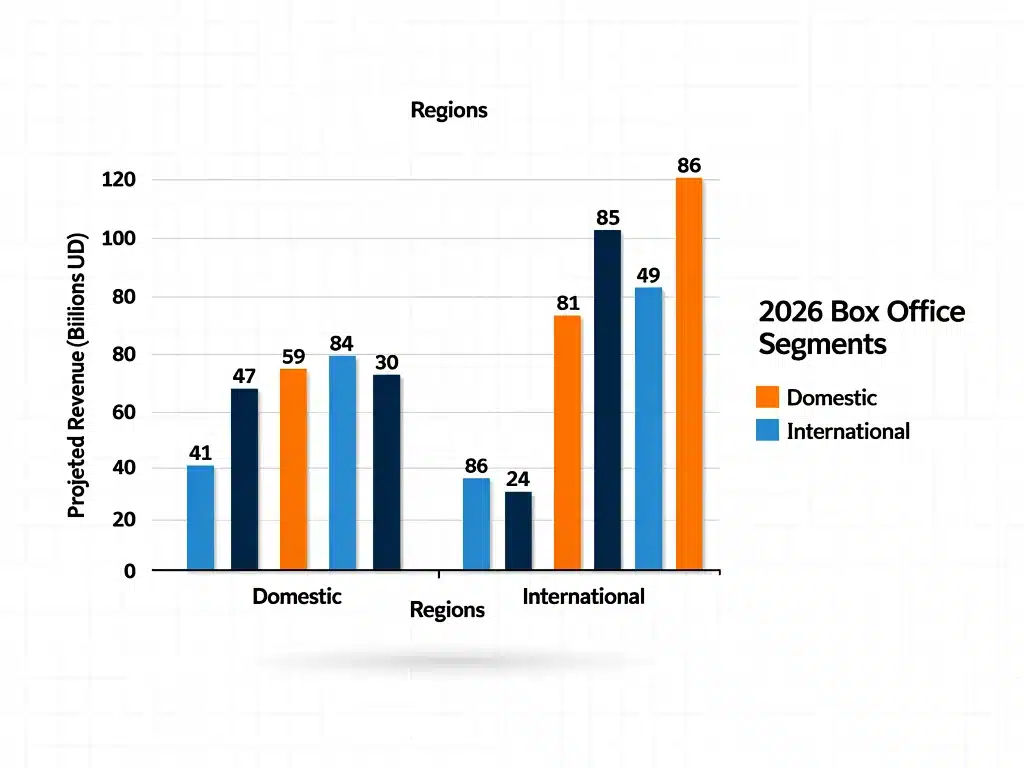
Forecasting the 2026 Box Office requires an intricate understanding of both historical trends and forward-looking indicators. While domestic markets in the U.S. will continue to be significant, their growth may be more incremental, driven by event films and premium experiences. The challenge lies in converting casual viewers into regular moviegoers, a task made harder by ubiquitous streaming options.
International markets, particularly those in Asia, are projected to continue their upward trajectory, potentially widening the gap in revenue contribution compared to the U.S. This shift underscores the importance of global strategies for studios, with an increased focus on non-English language productions and culturally resonant content. The global cinematic center of gravity continues to shift eastward.
Overall, the 2026 Box Office will likely be characterized by increased content diversity, strategic flexibility in distribution, and a relentless pursuit of global audience engagement. Studios that can effectively balance the demands of domestic audiences with the vast potential of international markets will be best positioned for success. The competitive landscape demands constant innovation.
| Key Aspect | 2026 Outlook |
|---|---|
| Domestic Market | Event films and franchises dominate; streaming competition high. |
| International Growth | Continued expansion, especially in Asia; local content thrives. |
| Content Strategy | Focus on global appeal, diverse narratives, and strong IP. |
| Distribution Models | Hybrid approaches and flexible theatrical windows continue. |
Frequently Asked Questions About the 2026 Box Office
International box office growth is primarily fueled by expanding middle classes in emerging economies, increasing cinema infrastructure, and a strong demand for both local and Hollywood content. Strategic marketing and distribution adapted to regional tastes also play a critical role in market penetration and revenue generation for the 2026 Box Office Analysis.
Streaming services will continue to exert pressure on the U.S. domestic box office, particularly for mid-budget films and dramas. Audiences may prefer home viewing for such content, reserving theatrical visits for major blockbusters and event films. This necessitates innovation in the theatrical experience to draw audiences for the 2026 Box Office Analysis.
Original films face increasing challenges at the 2026 box office, especially in the U.S., where franchises and established IPs tend to dominate. However, original content with strong critical acclaim or unique concepts can still find success, often bolstered by targeted marketing or a strong festival presence. International markets may offer more opportunities for diverse original narratives.
Key international markets for the 2026 Box Office include China, India, Japan, South Korea, and various European and Latin American countries. These regions boast significant audience bases and contribute substantially to global revenues. Their unique cultural preferences and regulatory environments require tailored strategies for optimal film performance.
Studios are employing diverse strategies, including developing films with broad international appeal, engaging in co-productions, and investing in localized marketing. They are also experimenting with flexible release windows and leveraging data analytics to understand global audience preferences. This comprehensive approach is vital for the 2026 Box Office Analysis.
Perspectives and Implications
Understanding the 2026 Box Office: A Comparative Analysis of International vs. Domestic Film Performance in the U.S. reveals a complex, evolving landscape. The increasing prominence of international markets demands a global-first approach from Hollywood, while the domestic market continues its pivot towards event cinema. Adapting to these shifts, embracing content diversity, and innovating distribution models will be crucial for industry stakeholders. The coming years will undoubtedly shape the future of cinematic exhibition and consumption.