Cannes to Couch 2026: Access Award-Winning International Cinema
Advertisements

Streamlined distribution models and expanding specialty platforms are making global festival cinema more accessible than ever.
From Cannes to Your Couch details how day-and-date digital releases, boutique streaming channels, and virtual festival passes bring world-class international films straight to American homes.
The Shifting Paradigm of International Film Distribution
The journey of an international film from its premiere at a prestigious festival like Cannes to a U.S. audience’s living room has historically been complex and protracted.
Traditional distribution channels often involved lengthy negotiations, limited theatrical releases, and significant delays before home video availability. This model frequently left many critically acclaimed foreign films unseen by a broader American public.
However, the past few years have witnessed a rapid acceleration in digital distribution, further amplified by global events.
This has forced distributors and content creators to rethink their strategies, prioritizing direct-to-consumer models and leveraging streaming technologies.
By 2026, this evolution will have solidified, making the pipeline from festival premieres to home viewing significantly shorter and more efficient.
This paradigm shift is not merely about convenience; it’s about cultural exchange and expanding cinematic literacy.
Greater access to international films means a richer, more diverse viewing experience for audiences, fostering a deeper appreciation for global storytelling and artistic innovation.
The focus is now on breaking down barriers to ensure that award-winning international cinema is not just a luxury but an accessible staple.
Streaming Services: The New Gatekeepers
Streaming platforms have emerged as the primary drivers of this accessibility revolution.
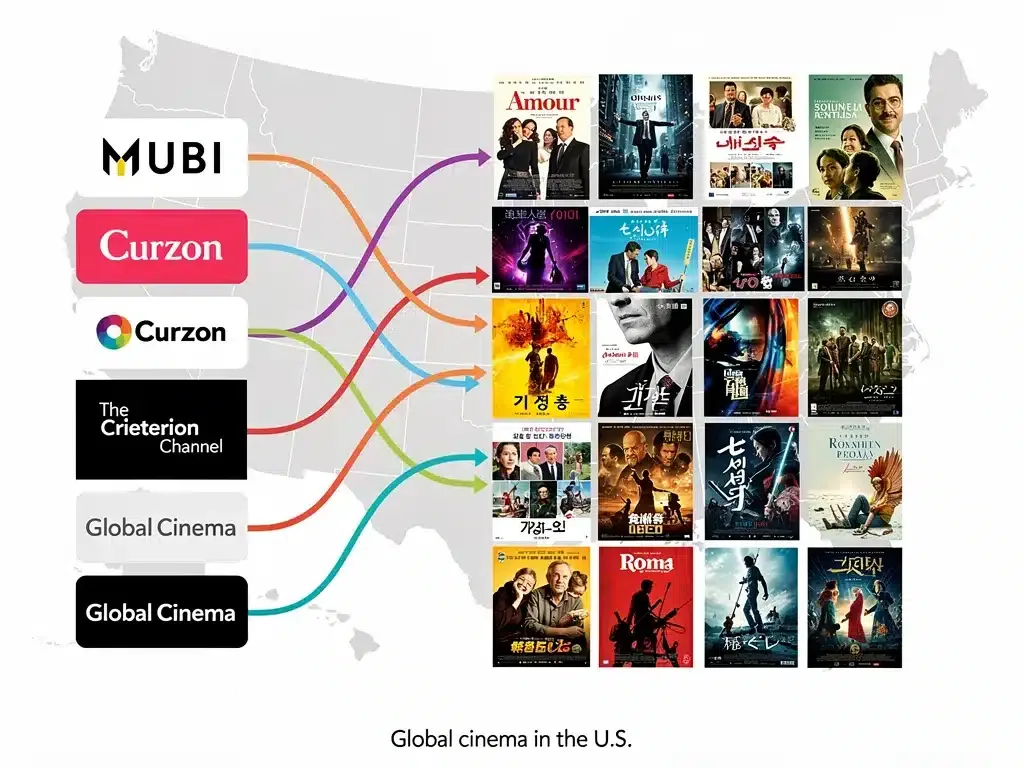
Services like Mubi, The Criterion Channel, and Curzon Home Cinema have long championed international and arthouse cinema, curating extensive libraries of award-winning titles.
By 2026, their offerings are expected to expand even further, alongside mainstream platforms like Netflix, Amazon Prime Video, and Hulu, which are investing heavily in acquiring global content.
The competition among these platforms is leading to more aggressive acquisition strategies, often securing U.S. streaming rights for international festival darlings shortly after their premieres.
This means that films that once took months or even years to reach American screens will be available digitally within weeks or even days.
Subscribers will find a broader selection of critically acclaimed films available at their fingertips, making Cannes to Couch 2026 a reality.
- Mubi: Curated selection of arthouse and international films, often with exclusive premieres.
- The Criterion Channel: Extensive library of classic and contemporary world cinema, with bonus features.
- Netflix/Amazon Prime Video: Increasing investment in global film acquisition and original international productions.
- Hulu: Expanding its collection of foreign-language films and festival favorites.
Specialized streaming services, in particular, are becoming indispensable for cinephiles.
Their focus on niche markets allows them to cater to audiences specifically seeking out award-winning international cinema, offering a more curated and enriching experience than broader platforms.
This dedicated approach ensures that even lesser-known gems find their way to discerning viewers across the U.S.
Virtual and Hybrid Film Festivals: Bridging Continents
The traditional film festival circuit, with its exclusive red carpets and industry-only screenings, is evolving.
While the prestige of in-person events like Cannes, Venice, and Berlin remains, the integration of virtual components has dramatically increased accessibility for audiences worldwide.
By 2026, hybrid models will be the norm, allowing U.S. viewers to experience a significant portion of these festivals from home.
Virtual festival platforms offer digital screenings, Q&A sessions with filmmakers, and industry panels, effectively bringing the festival experience to a global audience.
This development is particularly beneficial for those in the U.S. who may not have the means or opportunity to travel internationally for these events. It democratizes the festival experience, making Cannes to Couch 2026 a more inclusive concept.
Major festivals are increasingly partnering with online platforms to host virtual editions or dedicated digital showcases of their selections.
This strategy not only expands their reach but also provides a vital revenue stream for independent filmmakers and distributors.
The ability to participate in a festival remotely, watching premieres and engaging with content, is a game-changer for film enthusiasts.
Direct-to-Consumer Models and Digital Rights
Filmmakers and independent distributors are increasingly exploring direct-to-consumer (DTC) models, bypassing traditional theatrical distribution altogether for certain titles.
This approach leverages digital platforms and social media to reach audiences directly, offering a more agile and often more profitable distribution path.
By 2026, expect more films to debut simultaneously in limited theatrical runs and on digital platforms.
The negotiation of digital rights is becoming a critical aspect of film acquisition, with distributors prioritizing global streaming availability.
This shift means that U.S. audiences will gain access to award-winning international cinema much faster, without the long wait times previously associated with foreign film releases.
The emphasis is on maximizing immediate viewership and capitalizing on festival buzz.
- Platform-specific releases: Films directly launched on a single streaming service after festival premieres.
- Hybrid releases: Simultaneous theatrical and digital availability in key markets.
- Geoblocking adjustments: More flexible regional licensing to facilitate broader access.
These DTC strategies empower filmmakers to maintain greater control over their work and connect directly with their audience, fostering a more engaged community.
For viewers, it translates into a wider array of choices and quicker access to films that might otherwise never have received a U.S. release, further solidifying the vision of Cannes to Couch 2026.
Technological Advancements Enhancing the Viewing Experience
Beyond distribution models, technological advancements are significantly enhancing the home viewing experience for international cinema.
High-definition streaming, improved audio quality, and sophisticated subtitle options are making foreign language films more accessible and enjoyable than ever before.
These technical improvements are crucial for truly bringing the cinematic experience into the home.
The proliferation of smart TVs, advanced home theater systems, and virtual reality (VR) capabilities is transforming living rooms into personal screening rooms.
This allows audiences to appreciate the artistry and technical prowess of award-winning international cinema without compromising on quality.
The focus is on replicating the immersive experience of a cinema, ensuring that the transition from festival screen to home screen is seamless.
Furthermore, AI-driven recommendation engines are becoming more adept at suggesting international films based on viewing habits, exposing audiences to a broader range of global cinema they might not have discovered otherwise.
This personalized discovery process is vital for connecting niche films with their ideal audience, ensuring that the spirit of Cannes to Couch 2026 is not just about access, but also about discovery.
The Role of Subtitling and Dubbing
The quality and availability of subtitles have dramatically improved, making foreign language films more approachable for a wider audience.
Advanced translation technologies and a greater emphasis on accurate and culturally sensitive subtitling ensure that the nuances of dialogue are preserved. This is a critical factor in the enjoyment and appreciation of international cinema.
While purists often prefer subtitles, the rise of high-quality dubbing also offers another avenue for accessibility, particularly for younger audiences or those who prefer not to read while watching.
Streaming platforms are investing in professional dubbing services, providing viewers with more options to consume international content. This dual approach caters to diverse preferences, broadening the appeal of Cannes to Couch 2026.
The ongoing development in these areas signifies a commitment from the industry to make international films as accessible as possible to a U.S. audience.
The goal is to remove any linguistic or technical barriers that might deter viewers from engaging with global stories. This commitment is central to the vision of widespread access to award-winning international cinema.
Independent Cinemas and Arthouse Theaters: A Continued Role
While streaming and virtual festivals are expanding home access, independent cinemas and arthouse theaters will continue to play a vital role in the ecosystem of international cinema.
These venues offer a communal viewing experience, often accompanied by discussions, Q&As, and curated programming that streaming platforms cannot fully replicate. They serve as cultural hubs for film lovers.
By 2026, these theaters will likely operate in a more symbiotic relationship with digital platforms, potentially hosting exclusive limited runs before wider streaming releases.
They will also remain crucial for cultivating new audiences and providing a platform for smaller, independent international films that might not immediately secure major streaming deals.
The communal aspect of cinema remains a powerful draw, even as home viewing becomes dominant.
Many independent theaters are also adapting by offering their own virtual screening rooms or hybrid subscription models, allowing them to extend their reach beyond their physical locations.
This innovative approach ensures their continued relevance and contribution to making award-winning international cinema accessible.
Their unique curation and community engagement are invaluable in the overall strategy for Cannes to Couch 2026.

Challenges and Opportunities for 2026
Despite the optimistic outlook, challenges remain in achieving truly universal access to international cinema.
Navigating complex international licensing agreements, combating piracy, and ensuring equitable distribution for films from less prominent regions are ongoing hurdles.
However, these challenges also present opportunities for innovation and new business models to emerge.
The increasing global interconnectedness and the growing demand for diverse content are powerful motivators for overcoming these obstacles.
Investment in robust digital infrastructure and collaborative efforts between international film bodies and U.S. distributors are key to realizing the full potential of this cinematic revolution.
The vision for Cannes to Couch 2026 is one of continuous growth and adaptation.
- Licensing complexities: Streamlining global rights acquisition for broader, faster releases.
- Piracy prevention: Developing more secure digital distribution methods.
- Equitable representation: Ensuring films from diverse cultural backgrounds gain visibility.
Addressing these challenges will not only benefit U.S. audiences but also support the global film industry by providing wider exposure and new revenue streams for international productions.
The ongoing dialogue between creators, distributors, and platforms is essential for shaping a future where award-winning international cinema thrives.
The Future of Curated International Film Content
As access to international cinema expands, the role of curation becomes increasingly important.
With an overwhelming volume of content available, audiences will rely on trusted sources, expert recommendations, and specialized platforms to navigate the vast landscape.
Curated lists, editorial features, and personalized recommendations will guide viewers toward the most compelling and award-worthy films.
Film critics, cultural institutions, and specialized media outlets will continue to play a crucial role in highlighting significant international works and providing context.
Their expertise helps elevate films that might otherwise get lost in the sea of content, ensuring that critically acclaimed movies receive the attention they deserve.
This curation is essential for making Cannes to Couch 2026 a truly enriching experience.
Furthermore, educational initiatives and partnerships with universities and cultural centers will foster a deeper understanding and appreciation for international cinema.
These programs can introduce new audiences to the rich history and diverse forms of global filmmaking, building a more engaged and informed viewership. The future is not just about access, but about informed and appreciative consumption.
| Key Aspect | Impact by 2026 |
|---|---|
| Streaming Growth | Expanded libraries and quicker U.S. access for international films. |
| Virtual Festivals | Hybrid models bring festival premieres to home audiences. |
| Distribution Models | More direct-to-consumer and simultaneous digital releases. |
| Viewer Experience | Enhanced by high-quality streaming, improved subtitles, and curation. |
Frequently Asked Questions About International Cinema Access
How will streaming services change international film access by 2026?▼By 2026, streaming services are expected to offer significantly larger and more diverse libraries of international films. Aggressive acquisition strategies will lead to quicker U.S. availability for festival-winning titles, often within weeks of their global premieres. Specialized platforms will continue to curate unique selections, while mainstream services expand their global content.
Can I attend major film festivals virtually from the U.S. by 2026?▼Yes, by 2026, major international film festivals are projected to widely adopt hybrid models. This means you will likely be able to access a significant portion of their programming, including premieres and Q&As, through virtual platforms from your home in the U.S. This greatly enhances the accessibility of prestigious festival content.
Will foreign films be released faster in the U.S. due to these changes?▼Absolutely. The shift towards direct-to-consumer models and streamlined digital rights acquisition will significantly reduce the time it takes for award-winning international cinema to reach U.S. audiences. Films that previously faced long delays will likely be available much sooner, often through simultaneous digital and limited theatrical releases.
What role will independent cinemas play in 2026 with increased streaming?▼Independent cinemas will remain crucial cultural hubs, offering communal viewing experiences and curated programming that streaming cannot replicate. They will likely host exclusive limited runs and continue to cultivate new audiences for international cinema, potentially integrating hybrid models with their own virtual offerings to expand their reach and remain relevant.
How will the viewing experience for international films improve by 2026?▼By 2026, the viewing experience for international films will be significantly enhanced by high-definition streaming, superior audio quality, and improved, culturally sensitive subtitles. AI-driven recommendations will also help viewers discover more diverse content, making the home viewing of award-winning international cinema more immersive and engaging than ever before.
Looking Ahead: The Global Cinema Renaissance
The trajectory for Cannes to Couch 2026 indicates a global cinema renaissance for U.S. audiences, moving beyond mere access to fostering a deeper appreciation for diverse storytelling.
This evolution is not just about technology; it’s about breaking down cultural barriers and enriching the cinematic diet of American viewers.
To explore curated selections and discover top award-winning films from international festivals, check out this ranked list of notable festival cinema.
The ongoing developments promise a future where award-winning international cinema is a cornerstone of mainstream entertainment, inspiring new generations of film enthusiasts and creators.
The collaborative efforts between festivals, distributors, and streaming platforms are creating a more interconnected global film ecosystem.
This synergy ensures that artistic merit and diverse voices from around the world receive the platform they deserve, reaching audiences far beyond traditional geographic limitations. The journey from Cannes to your couch is now a well-paved, high-speed highway.
As these changes solidify, audiences should stay informed about new platform offerings, festival announcements, and technological advancements.
The landscape is dynamic, and continuous engagement will ensure maximum benefit from this unprecedented era of access to international cinema. The future of film consumption is global, diverse, and right at your fingertips.