3-Step Method for Locating Lost Italian Giallo Masterpieces
Advertisements
Searching for giallo masterpieces digital archives requires a structured approach because many rare Italian films remain difficult to locate, verify, or access through conventional channels.
Researchers often need to combine archive databases, production records, specialist communities, and preservation resources to understand whether a missing title still survives.
This three-step method focuses on digital research, verification, and access, creating a practical framework for locating and preserving obscure Giallo cinema.
The Urgency of Preserving Giallo Cinema
Italian Giallo cinema combines crime, horror, mystery, psychological tension, and distinctive visual style, making the genre an important part of film history.
Some titles remain difficult to access because surviving prints are incomplete, poorly preserved, privately held, or absent from widely available digital collections.
Preservation efforts help ensure that rare works remain available for study and appreciation while allowing future audiences to explore the genre more completely.
Defining Lost Giallo Masterpieces
A lost Giallo film may have no known complete surviving print, exist only in damaged form, or remain inaccessible despite evidence that a copy still survives.
Determining whether a film qualifies as a significant lost work requires examining production history, critical reputation, artistic influence, and surviving documentation.
Within giallo masterpieces digital archives, accessibility also matters because a film can effectively remain lost to most viewers even when an inaccessible copy exists somewhere.
Films with no known surviving complete prints.
Titles preserved only in fragmented or severely damaged copies.
Films inaccessible because of rights, ownership, or digitization limitations.
Step 1: Comprehensive Digital Archive Research
The first stage in locating giallo masterpieces digital archives is conducting systematic research across online film catalogs and preservation databases.
National archives, universities, specialist databases, genre forums, and private collection records can each contain different pieces of information about an obscure film.
The objective is to build a reliable record containing titles, alternate names, production details, known prints, distribution history, and possible locations of surviving materials.
Leveraging National Film Archives Online
National film institutions can provide some of the most reliable information available about surviving prints, restoration projects, production documents, and archival holdings.
Researchers should search using titles, alternate titles, directors, actors, production companies, release dates, and other identifying details that may reveal hidden catalog entries.
Supporting documents such as scripts, posters, photographs, censorship records, and distribution materials can also provide useful clues when a film itself is not digitally available.
Cineteca di Bologna
British Film Institute (BFI)
Library of Congress (USA)
European Film Gateway
Step 2: Cross-Referencing and Verification of Leads
Once possible leads emerge, researchers need to confirm whether the information actually relates to the film being investigated and whether the reported material still exists.
Cross-referencing titles, production dates, cast lists, distributors, and archival records helps identify mistakes, alternate versions, or duplicated information.
This verification stage is essential for narrowing down credible leads involving giallo masterpieces digital archives before investing additional time or resources.
Engaging with Online Film Communities
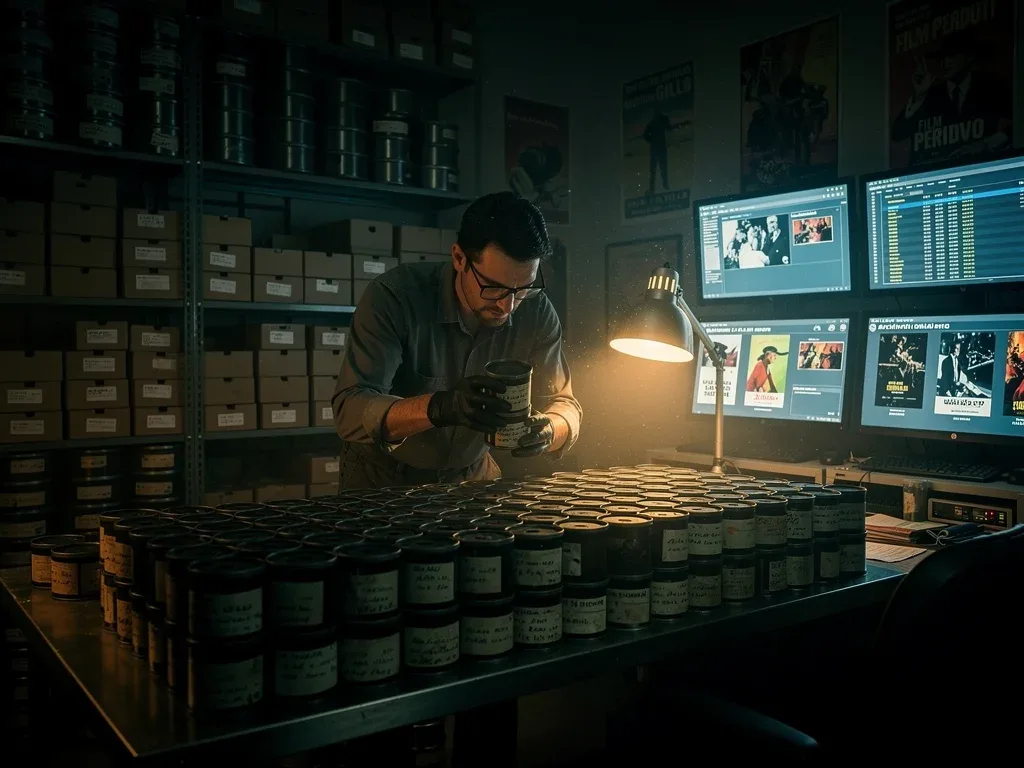
Specialist film communities can provide valuable information because collectors and longtime enthusiasts often possess knowledge that does not appear in formal archive catalogs.
Questions about alternate titles, rare releases, television broadcasts, private prints, and obscure home-video editions may uncover leads that institutional searches overlook.
Community information should still be verified independently because recollections, rumors, and outdated reports can easily circulate within specialist groups.
Reddit communities such as r/giallo and r/horror.
Specialized film forums such as CultLabs and Mondo Digital.
Online communities dedicated to Italian exploitation cinema.
Step 3: Accessing and Digitizing Identified Films
After confirming that a surviving copy exists, the next challenge is gaining legitimate access to the material and determining whether preservation or digitization is possible.
Access may require communication with archives, rights holders, collectors, distributors, or institutions that control the physical print or existing digital transfer.
If preservation is permitted, high-quality digitization can help protect fragile material while making rare films easier to study without repeatedly handling the original print.
Navigating Rights and Permissions
Rights clearance is one of the most complex parts of working with giallo masterpieces digital archives because ownership histories can become fragmented over several decades.
Researchers may need to identify producers, distributors, estates, archives, or companies that inherited rights from earlier organizations that no longer operate.
Clear permission is especially important when digitized material will be distributed, screened, published, or made accessible beyond internal preservation purposes.
Copyright clearance organizations.
Legal consultation for international rights questions.
Formal agreements with archives and private owners.
Technological Advancements in Film Restoration
Modern restoration technology has significantly improved the ability to preserve older film materials that suffer from scratches, fading, instability, or physical deterioration.
High-resolution scanners can capture detailed digital versions of surviving prints, while specialized software can assist with stabilization, color correction, dust removal, and audio repair.
These tools expand the possibilities for recovering giallo masterpieces digital archives that might once have been considered too damaged for meaningful preservation.
Collaborative Efforts in Giallo Preservation
Preserving rare Giallo films often requires collaboration because no single archive, researcher, collector, or institution possesses every surviving record or print.
Universities, film archives, preservation specialists, collectors, and genre communities can exchange information and combine resources to improve the chances of discovery.
International cooperation is especially important because Italian films were distributed across multiple countries, meaning surviving materials may exist far from their original production location.
Challenges and Future Outlook
Significant barriers still affect the search for giallo masterpieces digital archives, including funding, rights uncertainty, degraded materials, and incomplete records.
Professional scanning and restoration can be expensive, particularly when a print requires extensive physical repair before it can safely pass through preservation equipment.
Despite these obstacles, expanding digital catalogs and increased collaboration provide more opportunities for obscure films to be identified, documented, and preserved.
Impact on Cult Cinema and Film Studies
Rediscovered giallo masterpieces digital archives can influence both fan appreciation and academic interpretations of Italian genre cinema.
For enthusiasts, newly available films provide opportunities to explore overlooked directors, performers, stylistic experiments, and connections between better-known Giallo titles.
For researchers, these works offer primary sources that can expand existing histories and reveal previously undocumented developments within Italian horror, crime, and thriller filmmaking.
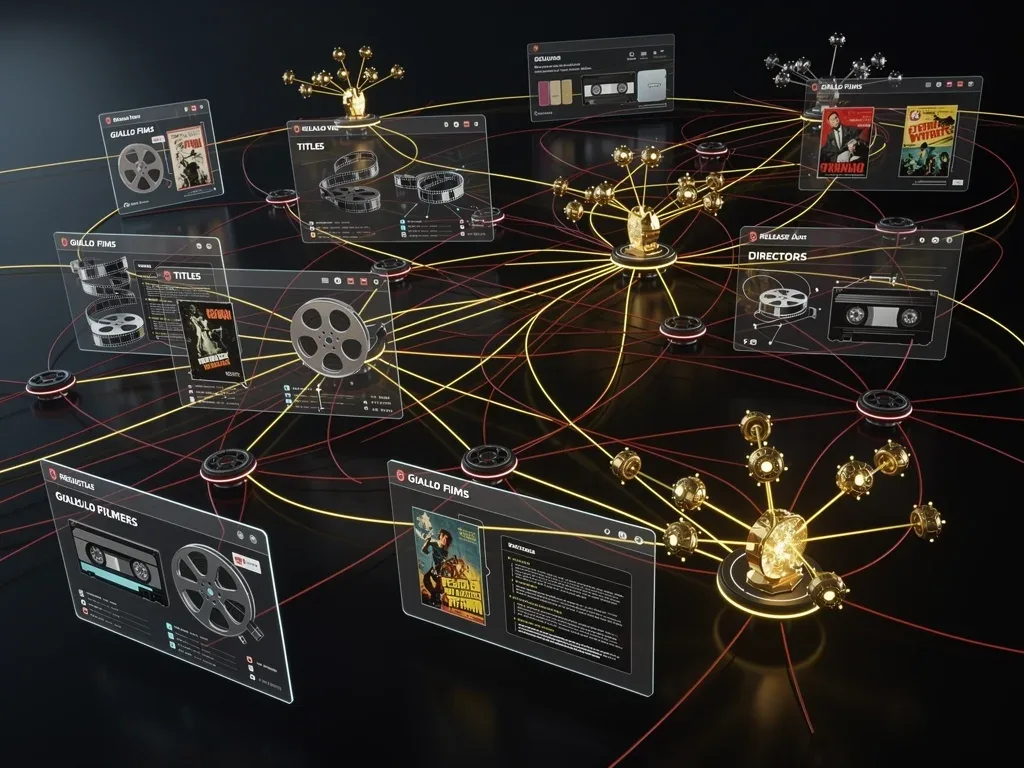
Key Step | Brief Description |
|---|---|
Digital Research | Search national archives, universities, databases, and specialist film communities. |
Cross-Reference | Compare multiple sources to verify film identities, records, and possible surviving copies. |
Access & Digitize | Secure legitimate access and preserve surviving materials through appropriate digitization. |
Rights Management | Identify rights holders and obtain the permissions required for preservation or distribution. |
Frequently Asked Questions About Giallo Film Discovery
What defines a "lost" Giallo film?▼
A lost Giallo film generally refers to a title for which no complete accessible print is known, or one that survives only in damaged, fragmented, privately held, or otherwise unavailable form.
Why is digital archiving crucial for Giallo cinema?▼
Digital preservation can reduce the need to repeatedly handle fragile physical prints and create additional preservation copies that help protect films from permanent loss.
How do film communities aid in locating these masterpieces?▼
Specialist communities can contribute information about rare releases, private collections, alternate titles, old broadcasts, and other details that may not appear in institutional databases.
What are the main challenges in digitizing old Giallo films?▼
Common challenges include damaged source material, restoration expenses, uncertain copyright ownership, access restrictions, and the technical requirements of professional film scanning.
What impact do rediscovered Giallo films have on film studies?▼
Rediscovered films provide new primary material that researchers can use to examine genre development, filmmaking techniques, cultural context, and the broader influence of Italian cinema.
Looking Ahead: The Future of Giallo Discovery
The search for giallo masterpieces digital archives will continue to benefit from better databases, preservation tools, and international communication.
As more institutions digitize catalogs and researchers share information across borders, previously obscure references may become easier to connect with surviving materials.
Combining careful research, verification, legal access, and preservation technology offers the strongest path toward recovering more of Giallo cinema's overlooked history.