Midnight Screening Revival: 1970s Cult Films See 40% Spike
Advertisements
The Midnight Screening Revival is bringing renewed attention to 1970s counterculture films, cult classics, and the unique experience of late-night cinema.
Independent theaters and film institutions continue celebrating unconventional movies that originally attracted devoted audiences through underground screenings and word of mouth.
This guide explores the history, audience appeal, cultural influence, and future of midnight movies without relying on unverified attendance statistics.
The History Behind the Midnight Screening Revival
The Midnight Screening Revival draws inspiration from a cinema tradition that developed into a recognizable cultural movement during the 1970s.
Underground theaters introduced unusual films to audiences interested in experimental storytelling, controversial themes, and alternatives to mainstream entertainment.
Over time, these screenings became social gatherings where repeated viewings and passionate fan communities helped certain movies achieve cult status.
What Defines a 1970s Counterculture Cult Film?
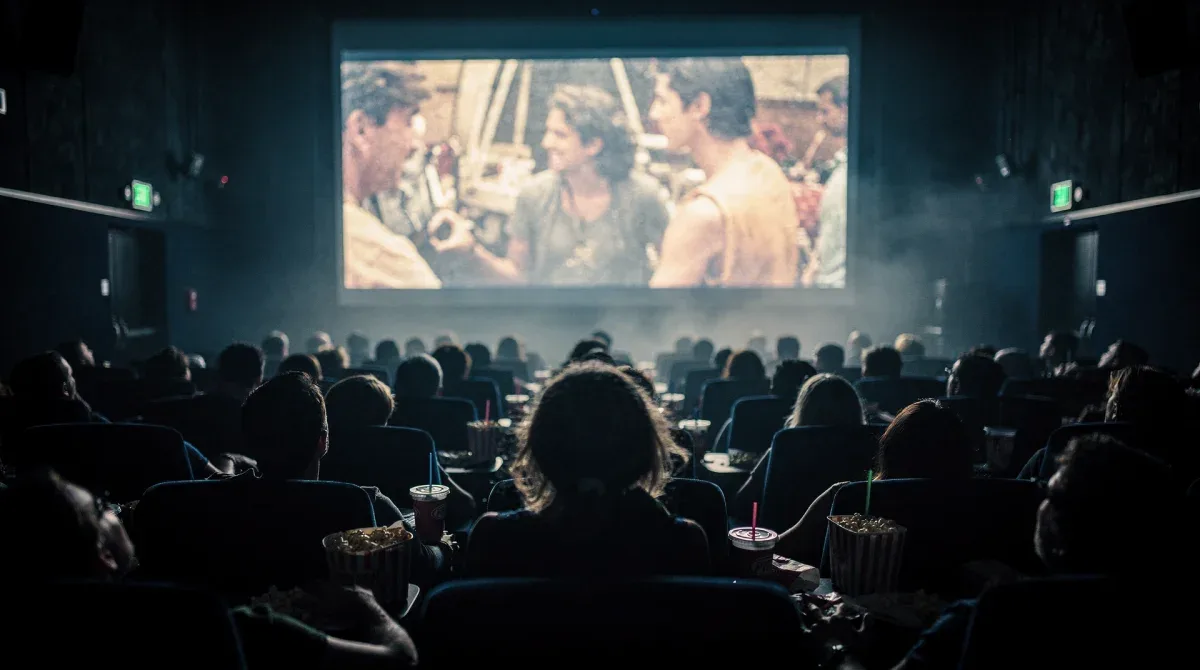
Counterculture cinema often challenged established expectations through unconventional characters, experimental visuals, provocative subjects, and independent artistic approaches.
Many films explored rebellion, identity, social alienation, and dissatisfaction with traditional institutions during a period of cultural transformation.
The Midnight Screening Revival reconnects modern viewers with these creative experiments and the historical circumstances that influenced their development.
How Midnight Movies Became a Cultural Phenomenon
Midnight movie programming developed through independent theaters willing to present unusual films outside conventional screening schedules.
The late-night format helped certain productions attract audiences who appreciated unconventional narratives and more permissive viewing environments.
Understanding the Midnight Screening Revival requires exploring how these screenings developed devoted followings before digital entertainment became widespread.
The Influence of El Topo
Alejandro Jodorowsky's El Topo, released in 1970, became an important example of the emerging midnight movie phenomenon.
Its surreal imagery, philosophical symbolism, and unconventional storytelling attracted dedicated audiences during screenings at New York's Elgin Theater.
The film helped establish midnight cinema as a distinctive experience built around discovery, conversation, and repeated attendance.
The Impact of Pink Flamingos
John Waters' Pink Flamingos, released in 1972, became another influential title associated with provocative underground cinema.
Its confrontational humor and deliberately transgressive presentation distinguished it from conventional Hollywood entertainment of the period.
The Midnight Screening Revival draws from this tradition of films that challenge expectations and generate strong audience reactions.
The Rocky Horror Picture Show and Audience Participation
The Rocky Horror Picture Show became one of the most recognizable examples of interactive midnight movie culture.
Released in 1975, the musical developed a devoted following through late-night screenings and enthusiastic participation from returning audiences.
Its influence on the Midnight Screening Revival demonstrates how repeated communal experiences can become inseparable from a film's identity.
How Audience Rituals Developed
Fans began attending screenings in costumes, responding to dialogue, and participating in recognizable traditions associated with the film.
These activities transformed ordinary theatrical presentations into social events where audience behavior became part of the entertainment.
Although participation rules vary between venues, the film remains an influential example of interactive cult movie exhibition.
Understanding the Audience Behind the Revival
The Midnight Screening Revival can appeal to longtime film enthusiasts as well as younger viewers discovering older titles.
Different generations may approach the same movie through nostalgia, historical curiosity, visual style, or interest in unconventional storytelling.
However, nationwide demographic claims require reliable audience research rather than assumptions based on individual events or online discussions.
The Appeal of Communal Viewing Experiences
Watching a film with other enthusiasts creates opportunities for shared laughter, emotional reactions, and conversations afterward.
Unlike individual home viewing, theatrical screenings place audiences in a common environment where reactions can influence the atmosphere.
The Midnight Screening Revival emphasizes these collective experiences as an important part of appreciating cult cinema.
Why Younger Audiences Explore Classic Cult Films
Older films offer younger viewers opportunities to discover artistic styles, social attitudes, and storytelling techniques from different historical periods.
Contemporary online discussions can introduce unfamiliar titles to people who may never have encountered them through conventional advertising.
The Midnight Screening Revival creates an additional opportunity to experience those discoveries with other interested moviegoers.
Discovering Cinema Beyond Mainstream Releases
Cult movies often feature unusual pacing, unconventional characters, and creative decisions that differ substantially from commercial blockbusters.
These differences can encourage viewers to explore directors, filmmaking movements, and cultural histories beyond familiar contemporary franchises.
Independent programming also helps audiences discover cult cinema that may receive limited attention through mainstream entertainment channels.
The Role of Nostalgia and Discovery
The Midnight Screening Revival combines familiar memories for returning audiences with opportunities for first-time viewers to encounter established classics.
Older moviegoers may appreciate revisiting films associated with particular periods of their lives or cultural experiences.
New audiences can approach the same productions without those memories, developing fresh interpretations of their characters and themes.
How Digital Platforms Fuel Analog Experiences
Social media, film discussion communities, and digital archives make it easier to discover movies beyond contemporary theatrical releases.
Online recommendations may encourage viewers to seek special screenings where they can experience classic films on larger screens.
The Midnight Screening Revival illustrates how digital discovery and traditional cinema attendance can complement one another.
Why Independent Cinemas Matter
Independent theaters provide valuable exhibition opportunities for films that may not receive regular screenings at major multiplex chains.
Their programming can include restored classics, experimental productions, filmmaker retrospectives, and special late-night events.
The Midnight Screening Revival depends partly on these venues maintaining spaces for unusual films and engaged audiences.
Curating Memorable Film Programs
Successful repertory programming requires understanding local interests, film availability, scheduling challenges, and audience expectations.
Theaters may organize themed seasons, director-focused programs, or screenings accompanied by historical introductions and discussions.
These activities help turn individual film presentations into larger cultural experiences that encourage continued participation.
Economic Factors and Accessibility of Cult Cinema
The Midnight Screening Revival presents opportunities for theaters seeking to differentiate their programming from mainstream entertainment options.
Ticket prices, licensing costs, staffing requirements, and audience demand influence whether late-night screenings are financially practical.
Although some repertory events may be affordable, pricing varies substantially between venues and should not be assumed universally lower.
The Economics of Repertory Screenings
Older films still involve exhibition rights, distribution arrangements, projection requirements, and other potential operating expenses.
Special events may also require additional staff, promotional materials, or equipment depending on the format being presented.
Theaters must balance these costs against expected attendance and the value of maintaining distinctive community programming.
The Enduring Legacy of 1970s Counterculture
Counterculture films explored themes involving authority, personal identity, social conflict, and the boundaries of artistic expression.
These subjects remain open to interpretation as viewers compare historical events with contemporary cultural conversations.
The Midnight Screening Revival provides opportunities to reconsider these works without assuming their messages apply identically across generations.
Understanding Historical Context
The 1970s followed major social changes involving civil rights, youth movements, political activism, and evolving cultural expectations.
Filmmakers responded through a wide range of artistic styles, sometimes challenging traditional narratives and established production practices.
Understanding this background can improve appreciation of controversial themes and unconventional creative decisions in older movies.
Film Preservation and Restored Classics
The Midnight Screening Revival can introduce restored films to audiences who have primarily encountered them through home video.
Archives, distributors, and preservation organizations contribute to maintaining access to historical works and their original materials.
Restoration projects may also improve picture and sound quality, although results depend on surviving elements and technical decisions.
Why Film Restoration Matters
Older films may suffer from damaged prints, fading colors, missing materials, or deterioration resulting from storage conditions.
Preservation specialists work to protect available materials and create accessible versions while considering historical presentation.
Restored screenings can help introduce film history to audiences who might otherwise overlook these influential productions.
How Film Institutions Celebrate Midnight Movies
Major cultural institutions continue exploring the historical importance of midnight films through curated screenings and educational programs.
In 2024, the Academy Museum presented a series examining late-night cinema and influential films associated with its development.
Such programming provides documented evidence of ongoing cultural interest, although it does not establish a nationwide attendance increase.
Academy Museum's History of Late-Night Movies
The Academy Museum's official midnight movie series explored titles associated with the development of late-night cult screenings.
The program highlighted the historical importance of El Topo, Pink Flamingos, and other films connected with dedicated audiences.
This institutional perspective offers useful context for understanding the Midnight Screening Revival and its relationship with cinema history.
Marketing Strategies for Midnight Screenings
Promoting late-night events requires communicating what makes each screening different from an ordinary theatrical presentation.
Event organizers may highlight historical significance, special guests, costumes, rare formats, or opportunities for audience discussion.
The Midnight Screening Revival benefits when marketing accurately presents the experience without inventing attendance statistics or commercial results.
Building Community Through Local Events
Film societies, universities, cultural organizations, and local businesses can contribute to community-oriented cinema programming.
Collaborative activities may introduce films to new audiences while creating opportunities for discussion and shared cultural experiences.
The strongest events usually reflect local interests and provide clear information about accessibility, admission, and participation expectations.
Challenges and Opportunities for Growth
The Midnight Screening Revival faces practical limitations involving distribution rights, suitable screening venues, staffing, and audience availability.
Some older productions have complicated licensing histories or limited access to high-quality exhibition materials.
Creative programming can address certain obstacles, although sustained success depends on financial planning and continued audience interest.
Keeping Cult Cinema Accessible
Accessible programming can include clear ticket information, reasonable scheduling, and accommodations appropriate to each screening venue.
Subtitles, assistive listening systems, and accessible seating may help more people participate when these services are available.
Organizers should also explain whether events encourage audience participation, since expectations vary significantly among different film communities.
What Makes a Successful Midnight Screening?
Successful events usually combine thoughtful film selection with reliable projection, appropriate sound, and a welcoming theatrical environment.
Organizers should understand the intended audience while setting realistic expectations about attendance, participation, and event costs.
The Midnight Screening Revival is supported by experiences that encourage viewers to return for future screenings.
Creating a Distinctive Atmosphere
Themed introductions, historical context, and moderated discussions can make an individual screening more memorable for interested viewers.
Some films invite playful audience reactions, while others benefit from quiet attention and thoughtful discussion afterward.
Respecting the nature of each production helps preserve the experience without imposing participation traditions where they do not belong.
Cultural Impact and Future Outlook
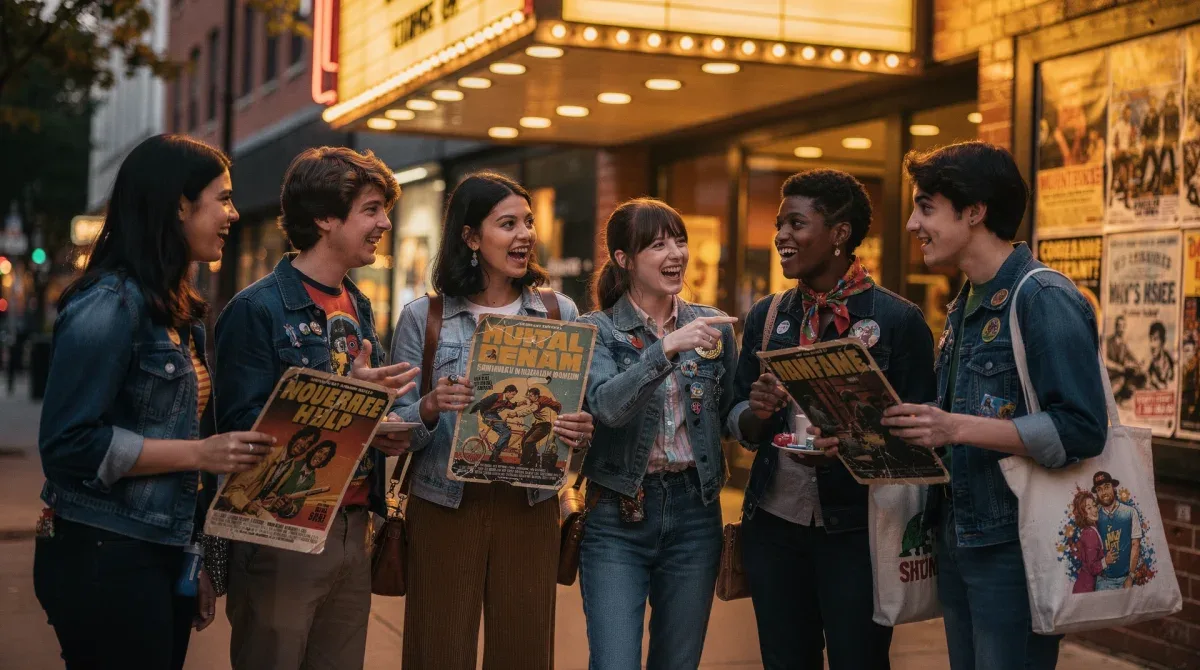
The Midnight Screening Revival reflects the continuing relevance of film history within contemporary entertainment and cultural programming.
Late-night screenings provide opportunities for discussion, collective appreciation, and renewed interest in unconventional cinematic traditions.
Future activity will depend on exhibition support, programming creativity, and audiences willing to participate in these specialized experiences.
Preserving Cinematic Heritage Through Screenings
Public screenings offer valuable opportunities to present historically significant films in settings designed for collective viewing.
These events can introduce audiences to directors, performers, and artistic movements that influenced later generations of filmmakers.
The Midnight Screening Revival helps maintain cultural awareness of works that might otherwise receive limited theatrical exposure.
Can Midnight Screenings Continue Growing?
The future of midnight movie programming depends on audience interest, operating costs, available venues, and distribution arrangements.
Special events and institutional retrospectives demonstrate that cult cinema continues attracting attention in different exhibition settings.
However, the Midnight Screening Revival should not be described as experiencing a verified nationwide attendance boom without supporting data.
How to Evaluate Attendance Claims
Reliable attendance analysis requires clearly identifying the theaters surveyed, measurement periods, ticket counts, and films included.
A percentage increase at selected venues cannot automatically represent performance across all independent cinemas in the United States.
Separating verified measurements from promotional language helps readers understand film trends without exaggerated conclusions.
Key Aspect | Brief Description |
|---|---|
Midnight Movie History | Late-night cult screenings became especially influential during the 1970s. |
Influential Films | El Topo, Pink Flamingos, and The Rocky Horror Picture Show helped shape the tradition. |
Attendance Figures | A nationwide 40% increase has not been independently verified. |
Audience Experience | Communal viewing, discussion, and participation distinguish many late-night events. |
Digital Discovery | Online communities can help introduce older films to potential theatrical audiences. |
Preservation | Film archives and cultural institutions support continued access to historic cinema. |
Frequently Asked Questions About the Midnight Screening Revival
What is the Midnight Screening Revival?
The Midnight Screening Revival refers to renewed cultural interest in late-night theatrical presentations of cult films, especially titles associated with underground cinema and the 1970s counterculture movement.
Did attendance for 1970s cult films increase by 40%?
No reliable nationwide dataset has been identified to substantiate that specific claim. Individual theaters may report different results, but national growth figures require verified attendance information.
Which 1970s films helped establish midnight movie culture?
Influential examples include El Topo, Pink Flamingos, and The Rocky Horror Picture Show. These films attracted dedicated audiences and helped establish the cultural identity of late-night screenings.
Why are audiences interested in midnight screenings?
These events offer communal viewing, opportunities for discussion, distinctive theatrical atmospheres, and access to films that may not receive conventional releases.
How do midnight screenings differ from regular movies?
Some midnight events encourage costumes, audience participation, themed programming, or post-screening discussions. However, individual screenings vary, and not every cult film uses interactive traditions.
Are midnight screenings suitable for younger viewers?
Suitability depends on the individual movie's content and age classification. Many cult films include mature themes, disturbing imagery, or other material that may not be appropriate for all audiences.
Do streaming platforms help people discover cult films?
Streaming catalogs and online discussions can introduce viewers to older productions. Interested audiences may then seek theatrical screenings for a different viewing experience.
Why are independent cinemas important for cult movies?
Independent cinemas provide specialized programming and screening opportunities for films outside mainstream theatrical distribution, helping connect distinctive works with interested audiences.
Are all cult movies from the 1970s?
No. Cult cinema spans multiple decades and genres. However, the 1970s were particularly influential in shaping the midnight screening traditions associated with underground film culture.
Will midnight movie screenings remain popular?
The format continues attracting cultural interest, but future attendance depends on local demand, distribution rights, operating costs, and programming choices. Sustained national growth cannot be guaranteed.
Looking Ahead: The Enduring Appeal of Cult Cinema
The Midnight Screening Revival demonstrates how classic films can remain culturally relevant through thoughtful programming and shared theatrical experiences.
Institutions, independent cinemas, and dedicated audiences continue preserving traditions that helped define underground cinema during the 1970s.
While precise attendance growth remains unverified, the history and continued celebration of midnight movies provide compelling reasons to explore this distinctive film culture.