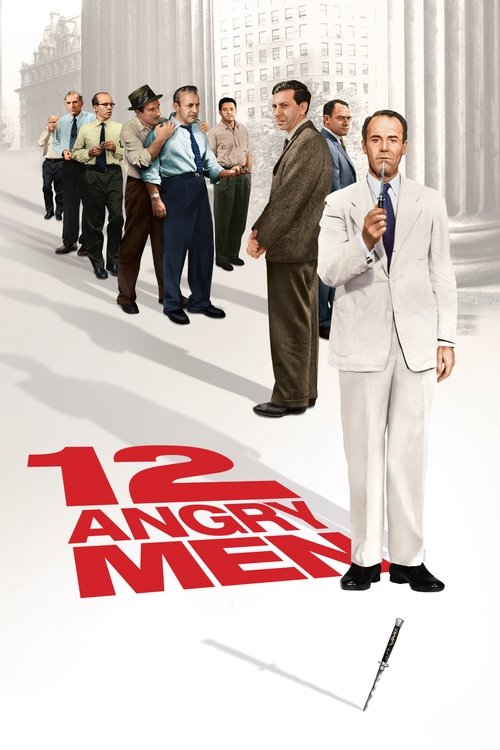
12 Angry Men
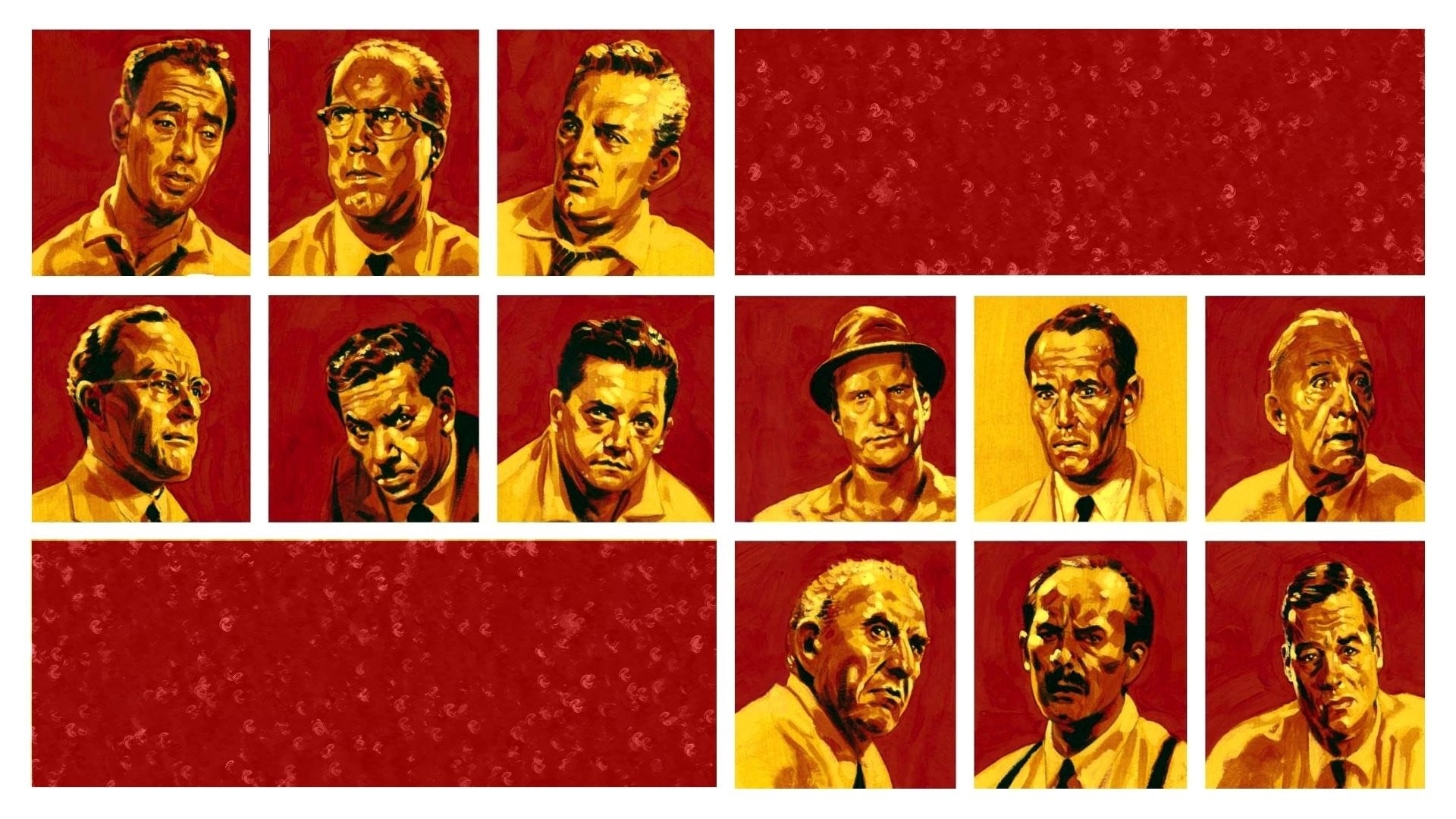
The defense and the prosecution have rested and the jury is filing into the jury room to decide if a young Spanish-American is guilty or innocent of murdering his father. What begins as an open and shut case soon becomes a mini-drama of each of the jurors’ prejudices and preconceptions about the trial, the accused, and each other.
Where to watch


CINEMABOXD.COM Review
Sidney Lumet’s "12 Angry Men" is not merely a courtroom drama; it is a clinical dissection of human nature under pressure, a theatrical experiment confined to the claustrophobic crucible of a jury room. From its opening frames, Lumet establishes a palpable sense of inevitability, drawing us into a space where the air itself seems to thicken with the weight of a young man’s life.
What immediately strikes me is the masterful direction that transforms a single setting into a universe of conflicting ideologies. Lumet’s camera, initially high and wide, gradually descends and tightens, mirroring the escalating tension and the jurors’ increasing personal involvement. This isn’t just a stylistic choice; it's a brilliant manipulation of perspective, forcing the audience to confront the shrinking distance between detached judgment and deeply ingrained prejudice. The screenplay, adapted from Reginald Rose’s teleplay, is a marvel of economy and escalating rhetoric. It understands that true drama often lies not in explosions, but in the slow, agonizing unraveling of preconceived notions, each argument a surgical incision into the collective psyche.
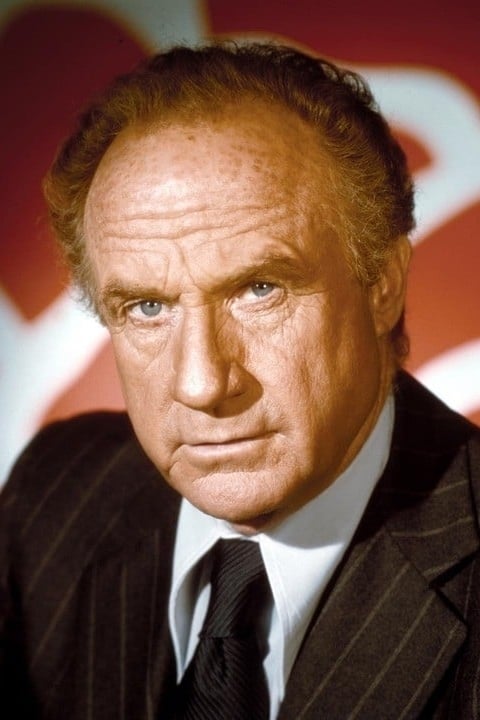
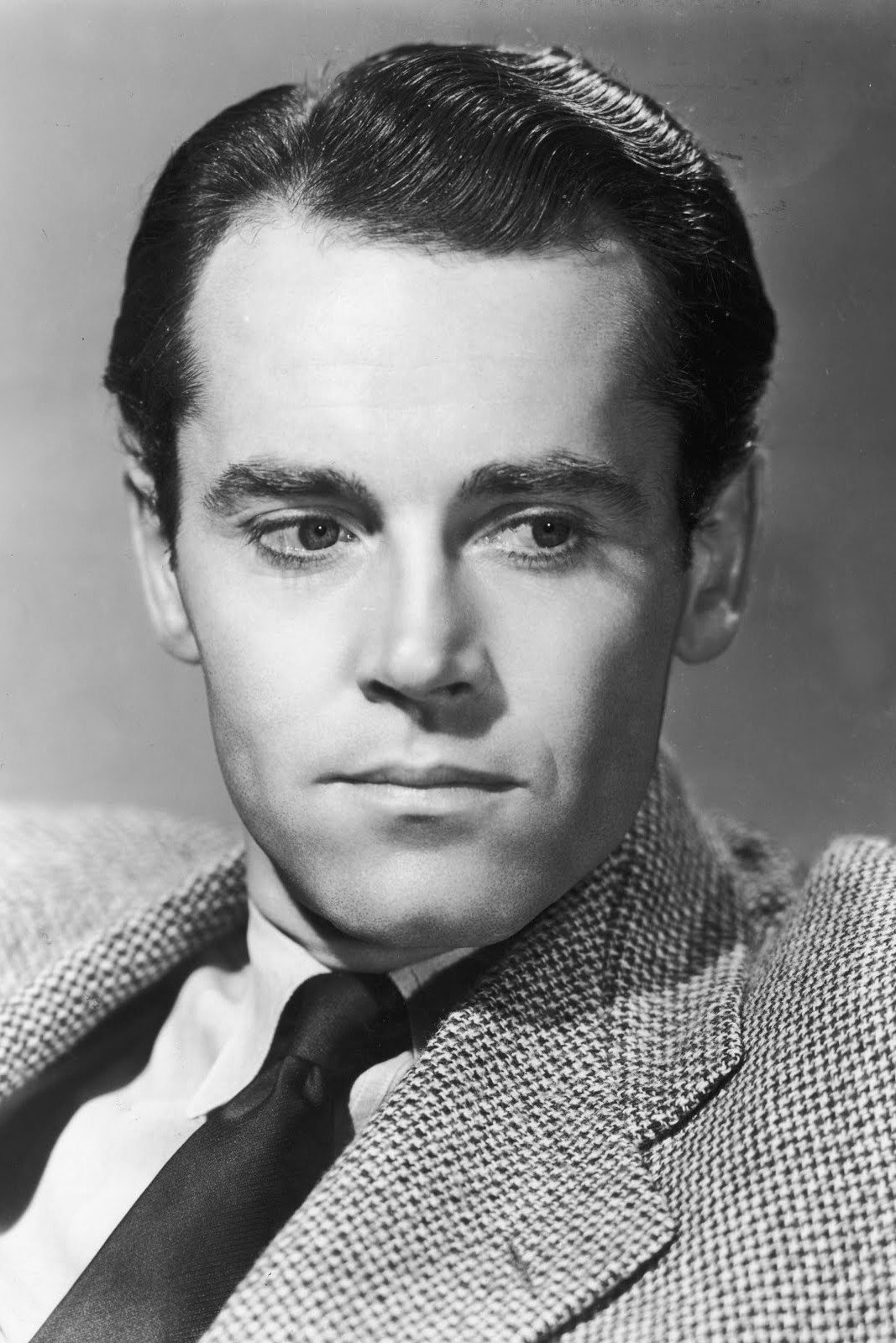
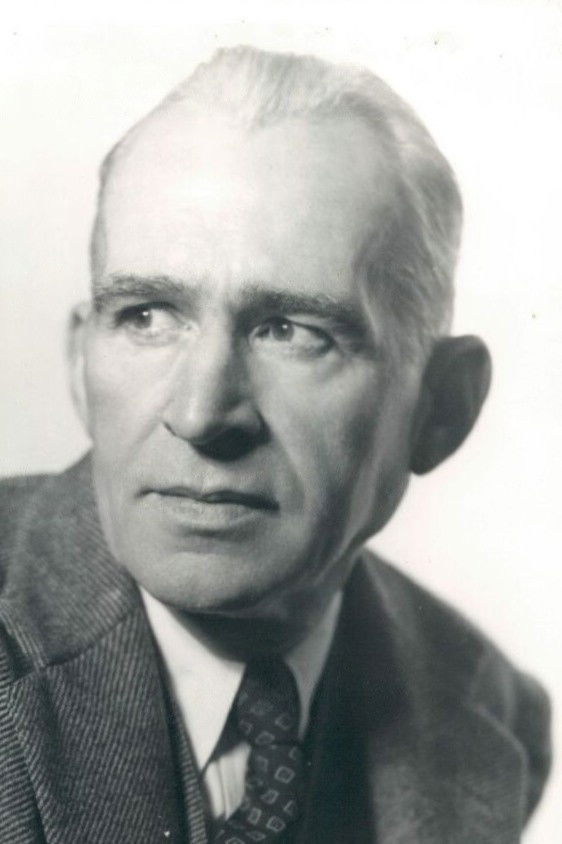
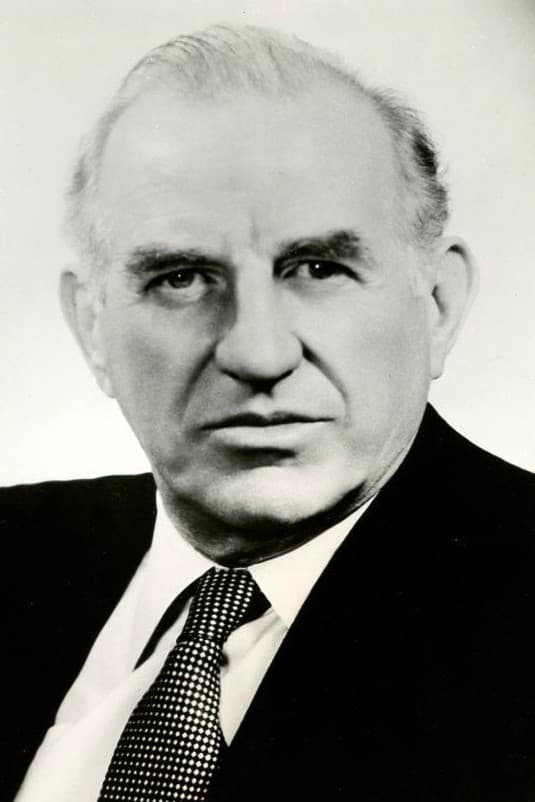
The performances are uniformly stellar, yet it is Henry Fonda’s Juror 8 who serves as our moral compass, a quiet force against the tide of indifference. His portrayal is not one of bombastic heroism, but of persistent, understated doubt, a man who simply refuses to be swayed by convenience. Lee J. Cobb’s Juror 3, on the other hand, embodies the venomous grip of personal bias, his anger a raw, almost animalistic force. The ensemble’s ability to etch distinct personalities within such confined parameters is a testament to their craft and Lumet’s precise guidance.
However, the film’s singular focus, while its greatest strength, also presents its most significant limitation. While it brilliantly exposes the flaws in human judgment, it occasionally veers into a slightly idealized view of rational discourse triumphing over entrenched prejudice. The resolution, while satisfying, feels perhaps a touch too neat, too perfectly aligned with our desire for justice to prevail. The transformation of some jurors, while compelling, happens with a swiftness that, in the cold light of reality, might be less plausible. Yet, this is a minor quibble in a film that remains an indispensable study of civic duty, the fragility of truth, and the enduring power of a single dissenting voice. "12 Angry Men" is not just a film to be watched; it is a mirror to be held up to our own assumptions.