









Where to watch


CINEMABOXD.COM Review
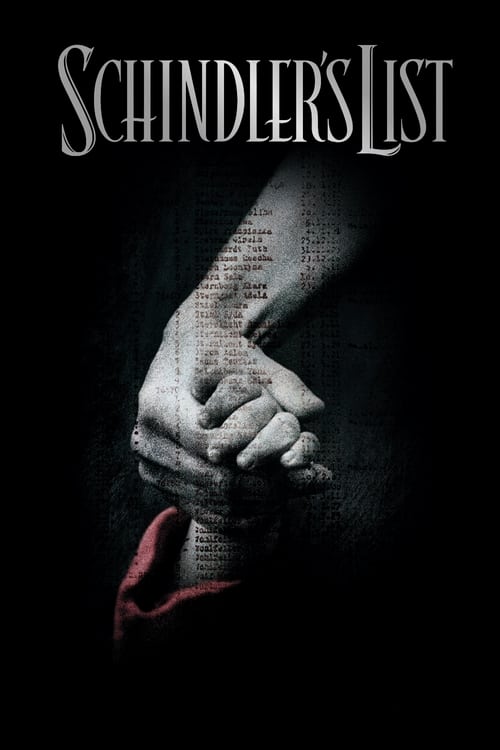
Steven Spielberg’s *Schindler’s List* arrives not as a film, but as an experience carved from history, demanding our full, uncomfortable attention. Its nearly three-and-a-half-hour runtime is less a duration than a pilgrimage, an immersion into the abyss of human cruelty and the flicker of redemptive light. Spielberg, often accused of sentimentality, here wields his formidable craft with a stark, almost surgical precision that elevates the material beyond mere historical recreation.
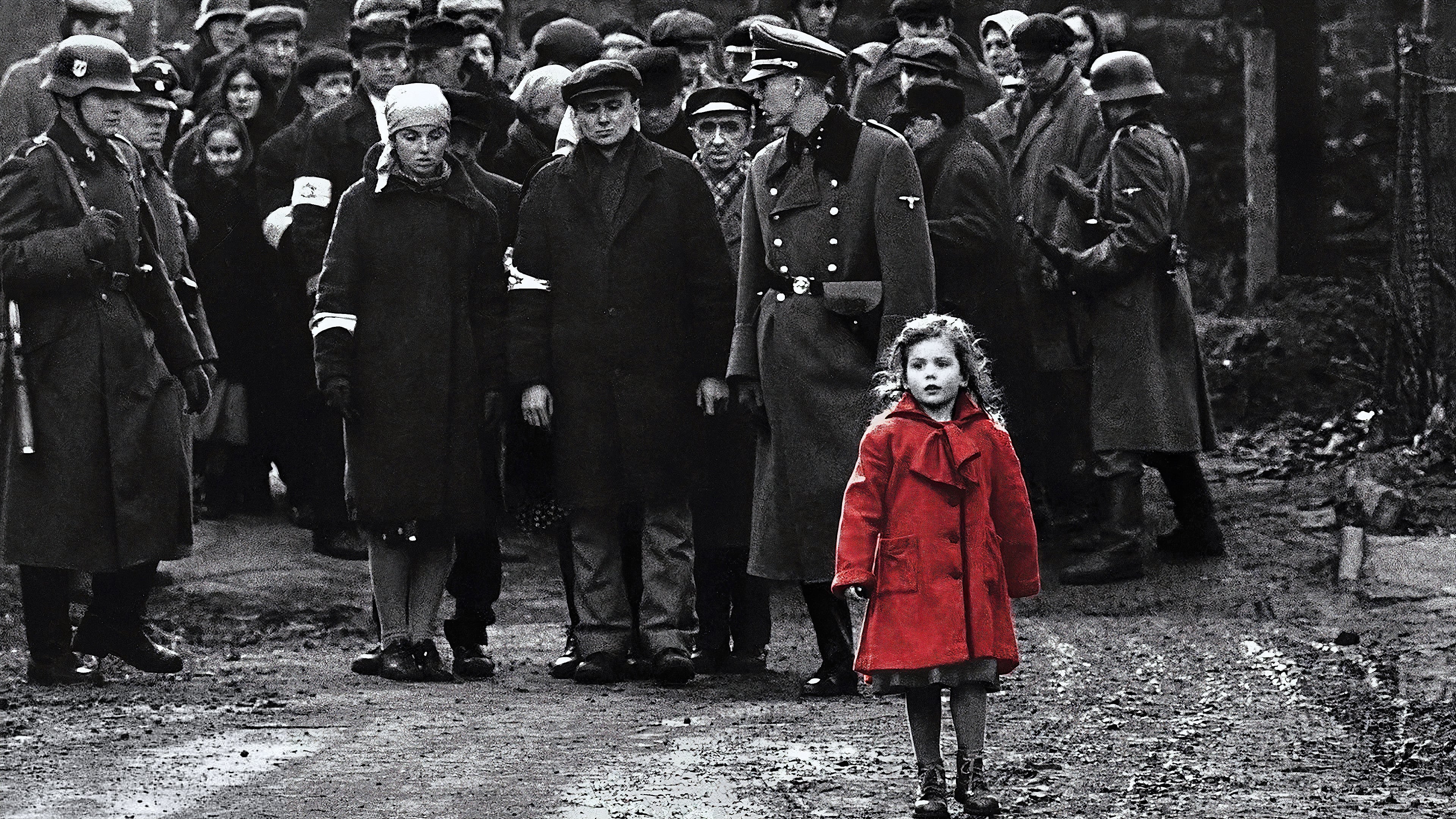
The decision to shoot in black and white is not a stylistic flourish; it is the film’s very language. It strips away the comforting distance of color, forcing a direct, unflinching confrontation with the grim reality of the Holocaust. The iconic girl in the red coat, a singular splash of color in a monochromatic world, isn't just a symbol of lost innocence; she's a searing indictment, a visual punch to the gut that reminds us of the vibrancy extinguished. Janusz Kamiński’s cinematography is a masterclass in controlled chaos, capturing the horror of the ghetto liquidations with a handheld intimacy that feels both journalistic and deeply personal.
Liam Neeson’s portrayal of Oskar Schindler is a nuanced tightrope walk. He isn't introduced as a saint, but as a shrewd opportunist, a bon vivant whose transformation is gradual, born of proximity to unspeakable evil. It’s in his subtle shifts – the growing discomfort, the hardening resolve – that Neeson truly shines, making Schindler’s eventual heroism feel earned, not simply granted. Ralph Fiennes as Amon Goeth, however, is the film's chilling core. His performance is a testament to the banality, and indeed, the casualness of evil. Goeth isn't a cartoon villain; he's frighteningly human, capable of both perverse charm and unimaginable brutality, often within the same breath.
Where the film occasionally falters is in its narrative structure, which, while powerful, sometimes leans into a somewhat conventional arc for such an unconventional story. There are moments, particularly in the later stages, where Spielberg’s innate desire for catharsis, while understandable, slightly softens the jagged edges of historical trauma. Yet, this is a minor quibble in a film that otherwise refuses to flinch. *Schindler's List* is not just a film about survival; it is a profound meditation on complicity, courage, and the enduring, fragile spark of humanity. It is cinema as a moral imperative, a necessary, harrowing testament.