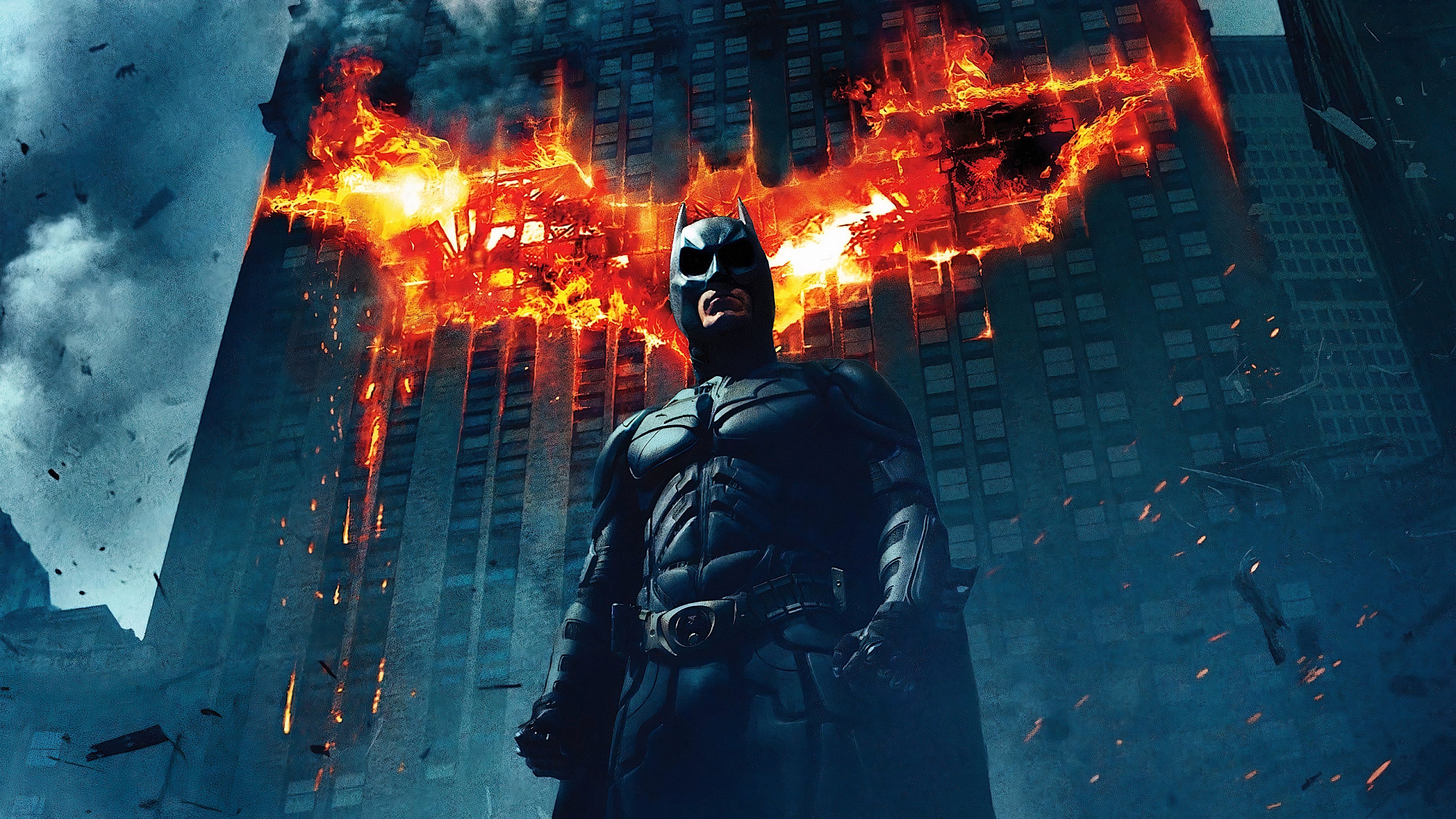
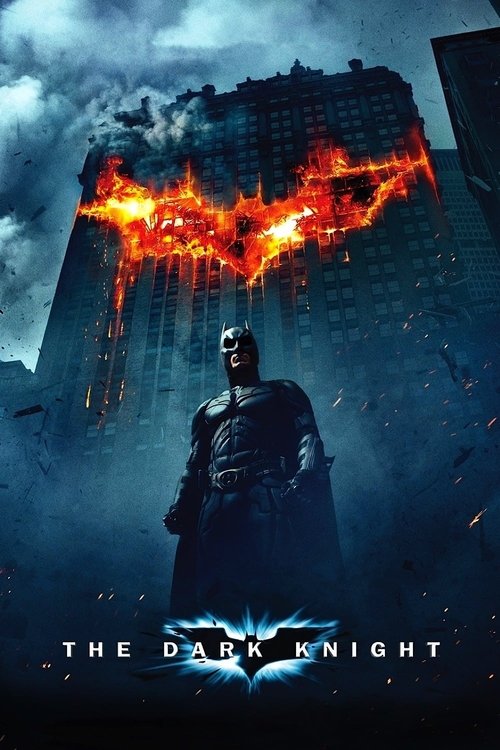
The Dark Knight
Batman raises the stakes in his war on crime. With the help of Lt. Jim Gordon and District Attorney Harvey Dent, Batman sets out to dismantle the remaining criminal organizations that plague the streets. The partnership proves to be effective, but they soon find themselves prey to a reign of chaos unleashed by a rising criminal mastermind known to the terrified citizens of Gotham as the Joker.



Where to watch


CINEMABOXD.COM Review
Christopher Nolan’s *The Dark Knight* isn’t merely a comic book adaptation; it's a brutal, unflinching examination of chaos and order, a cinematic urban legend that dares to ask if a city can truly be saved from itself. This isn't entertainment; it's an intellectual challenge wrapped in an action film’s skin.
Nolan’s direction, particularly his masterful control over pacing and scope, elevates what could have been a standard crime thriller. He uses IMAX not for spectacle alone, but to immerse us in Gotham’s sprawling, corrupted grandeur, making its concrete canyons feel both monumental and claustrophobic. The screenplay, co-written with his brother Jonathan, is a dense tapestry of moral ambiguities. It smartly pits Batman’s rigid code against the Joker’s pure, unadulterated nihilism, forcing a philosophical confrontation that far outlasts the explosions. The film’s narrative isn't just about heroes and villains; it’s about the societal constructs that create them, and how easily they can unravel.
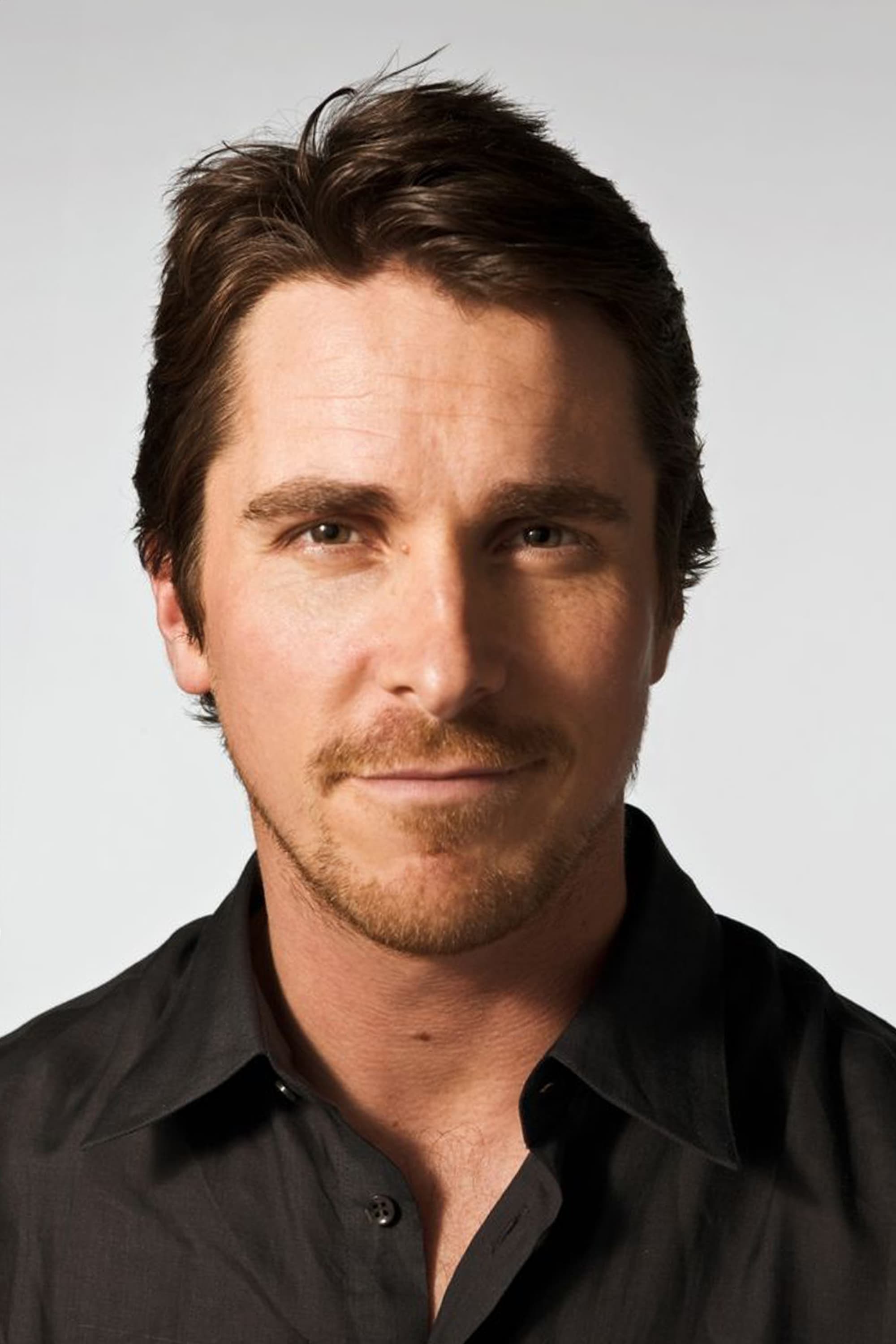
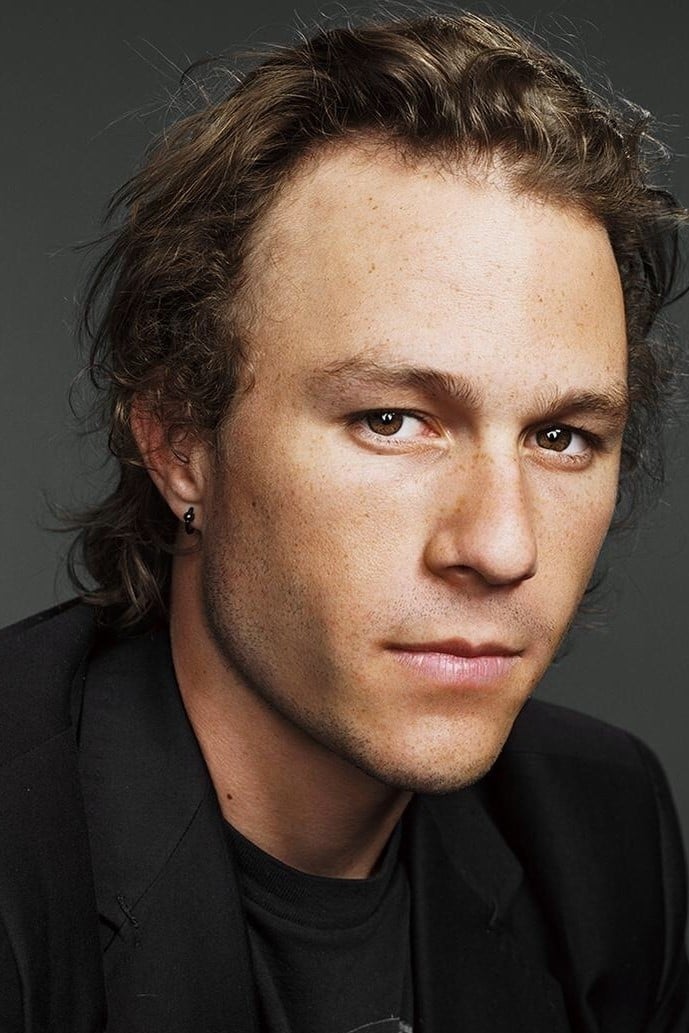
Heath Ledger’s Joker is, of course, the undeniable gravitational pull. His performance isn't just a portrayal; it's an inhabitation, a terrifyingly authentic descent into madness that redefines the antagonist. He doesn’t simply play a character; he embodies an ideology. Christian Bale’s Batman, burdened by the ethical quagmire of his mission, feels more human, more vulnerable, yet still a force of nature. Aaron Eckhart’s Harvey Dent, however, is where the film finds its most poignant tragedy. His arc from Gotham’s white knight to its scarred symbol of despair is meticulously crafted, a testament to the script’s ambition to explore the fragility of hope.
Yet, for all its brilliance, *The Dark Knight* occasionally stumbles under its own weight. The sheer density of its themes can, at times, feel overwhelming, almost didactic. While the action sequences are visceral and expertly choreographed, some of the emotional beats involving characters like Rachel Dawes feel underdeveloped, serving more as plot devices than fully realized individuals. Maggie Gyllenhaal, while a capable actress, struggles to imbue the role with the necessary depth given the limited screen time and narrative focus.
Ultimately, *The Dark Knight* is a towering achievement, a film that uses the superhero genre as a Trojan horse to deliver a profound meditation on the nature of good and evil, and the terrifying ease with which one can corrupt the other. It’s a film that demands to be discussed, dissected, and revisited, proving that even in the darkest corners of popular cinema, true art can thrive.