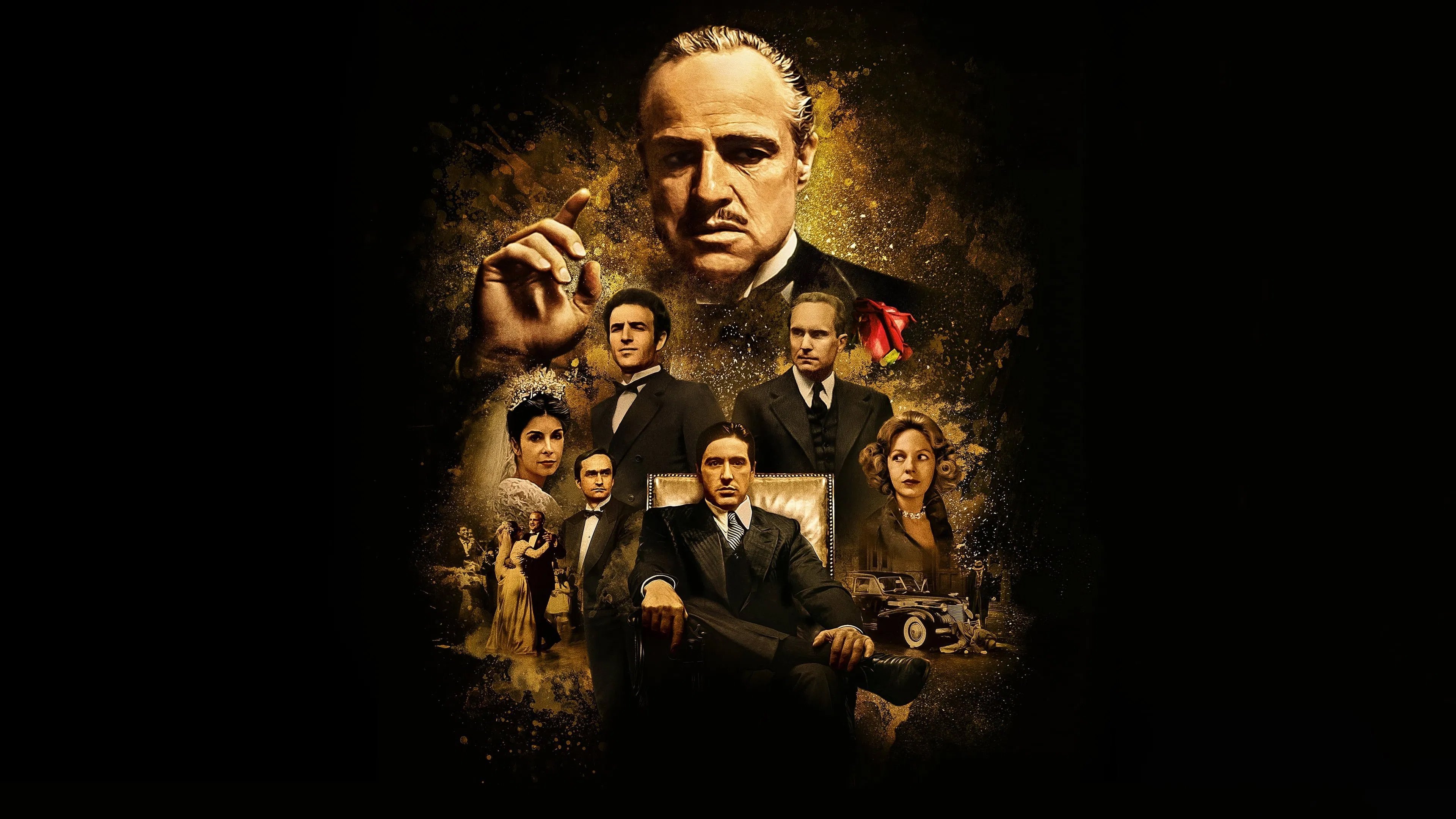
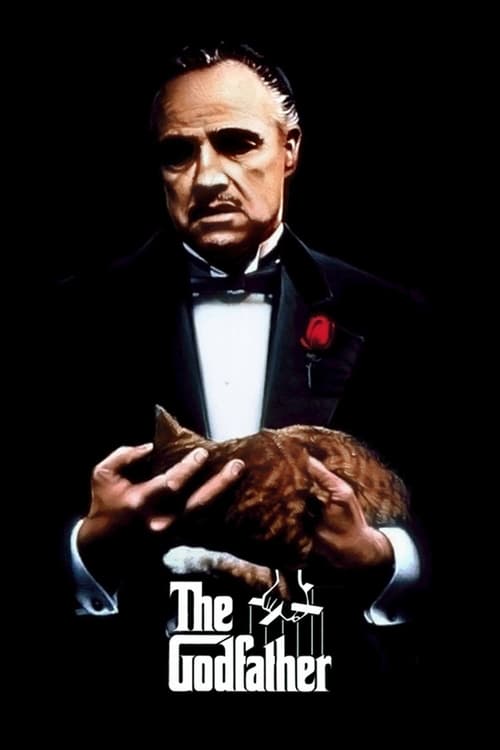
The Godfather
Spanning the years 1945 to 1955, a chronicle of the fictional Italian-American Corleone crime family. When organized crime family patriarch, Vito Corleone barely survives an attempt on his life, his youngest son, Michael steps in to take care of the would-be killers, launching a campaign of bloody revenge.




Where to watch


CINEMABOXD.COM Review
To call Francis Ford Coppola’s *The Godfather* merely a “crime film” is to miss the point entirely, like describing the Sistine Chapel as a painted ceiling. This is cinema as operatic tragedy, a brutal dissection of the American dream’s shadow side, cloaked in the sepia tones of memory and myth. From its opening frames, where Bonasera’s pleas for justice are bathed in the dim, intimate light of Vito Corleone’s study, Coppola establishes a visual language of power and consequence. Gordon Willis’s cinematography isn't just beautiful; it’s narrative, using deep shadows to conceal secrets and moral ambiguities, forcing us to lean in, to question what’s truly hidden.
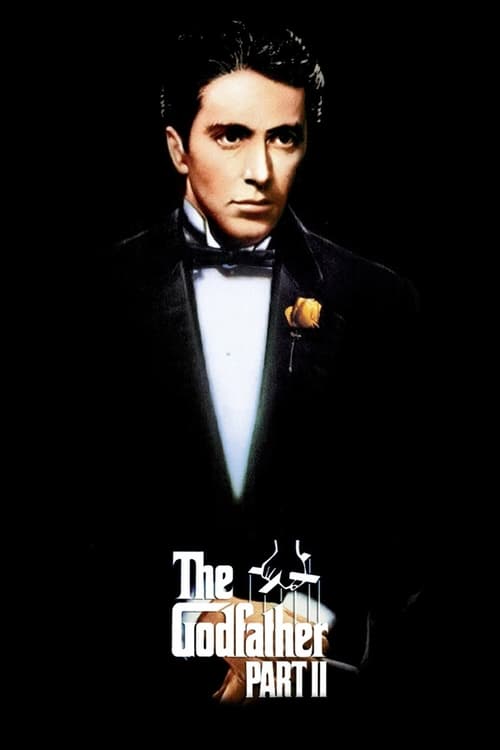
The brilliance lies not in glorifying violence, but in examining its corrosive effect on the soul. Michael Corleone’s transformation, portrayed with chilling precision by Al Pacino, is the film’s agonizing heart. We witness the reluctant war hero, initially repulsed by his family’s business, slowly calcify into the ruthless patriarch. Pacino’s quiet intensity, the way his eyes harden with each calculated decision, is a masterclass in subtlety, a psychological unraveling played out in nuanced glances rather than overt declarations. Brando’s Vito, of course, is iconic, but beyond the gravelly voice and prosthetic jowls, it’s the vulnerability he occasionally allows to surface – the tenderness with his children, the genuine sadness at a betrayal – that anchors his monstrousness in something tragically human.
Where *The Godfather* occasionally falters is in its sheer density, which, while a strength for its thematic depth, can sometimes feel overwhelming. The sprawling narrative, spanning a decade, occasionally sacrifices individual character beats for the sake of the grander family saga. Some female characters, particularly Kay, feel underdeveloped, serving more as reflections of Michael’s changing morality than fully realized individuals. Yet, this is a minor quibble in a film that, at nearly three hours, never feels its length. It’s a meticulously crafted epic, a profound meditation on family, loyalty, and the corrupting nature of power that continues to resonate with uncomfortable truths. *The Godfather* isn’t just a classic; it’s an essential text in understanding the American psyche, a dark mirror held up to ambition and its inevitable price.