

Where to watch


CINEMABOXD.COM Review
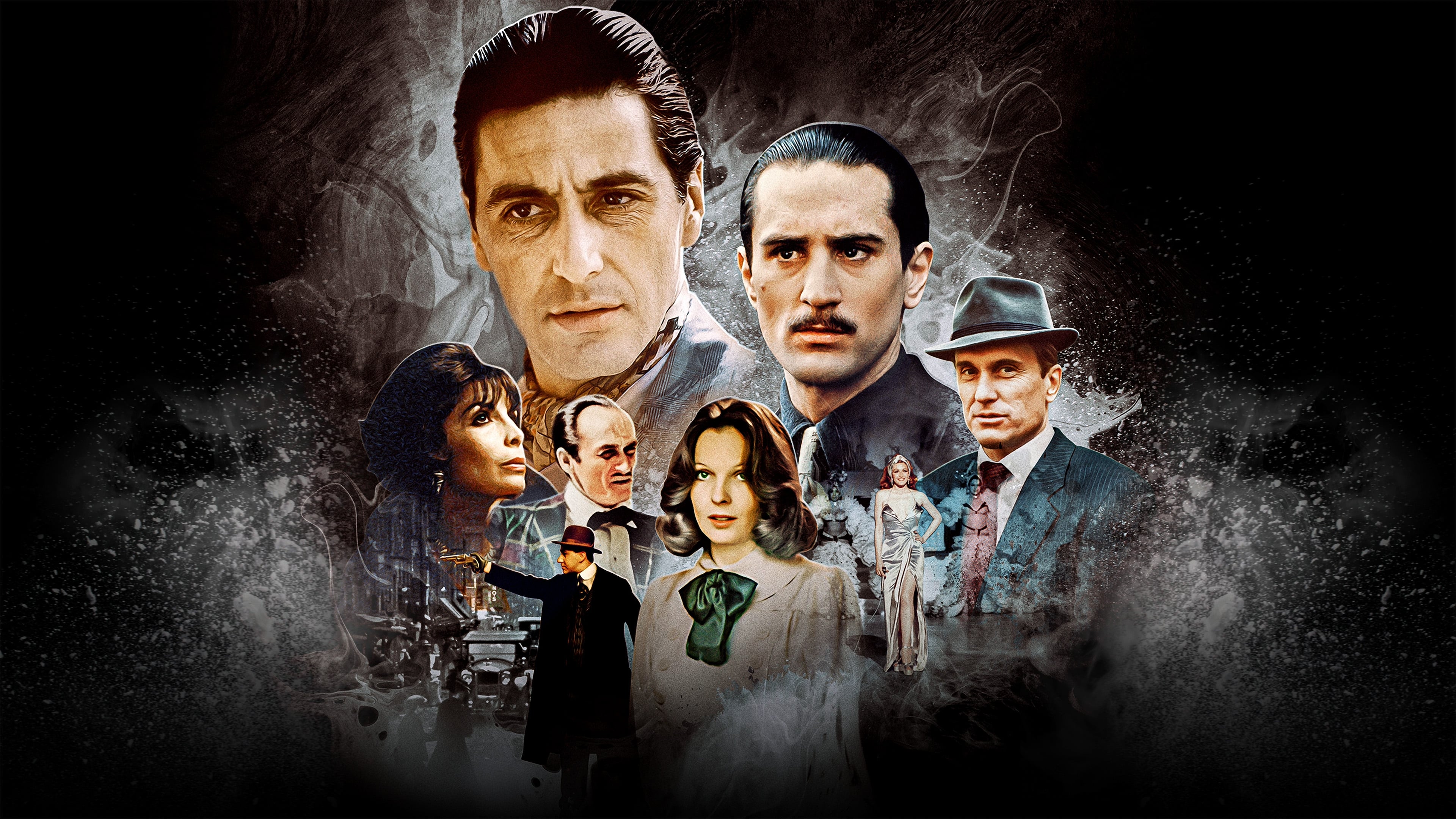
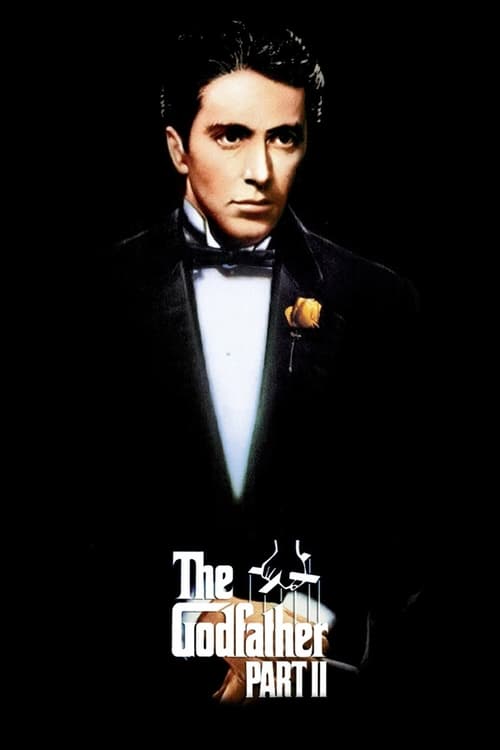
Francis Ford Coppola's *The Godfather Part II* is not merely a sequel; it is a masterclass in cinematic counterpoint, a bold expansion that redefines the very notion of a crime epic. The film’s brilliance lies in its audacious dual narrative, weaving the genesis of Vito Corleone’s power with Michael’s relentless, isolating expansion. This isn't just shrewd storytelling; it's a profound meditation on legacy and the corrupting nature of ambition, presented with an almost operatic grandeur.
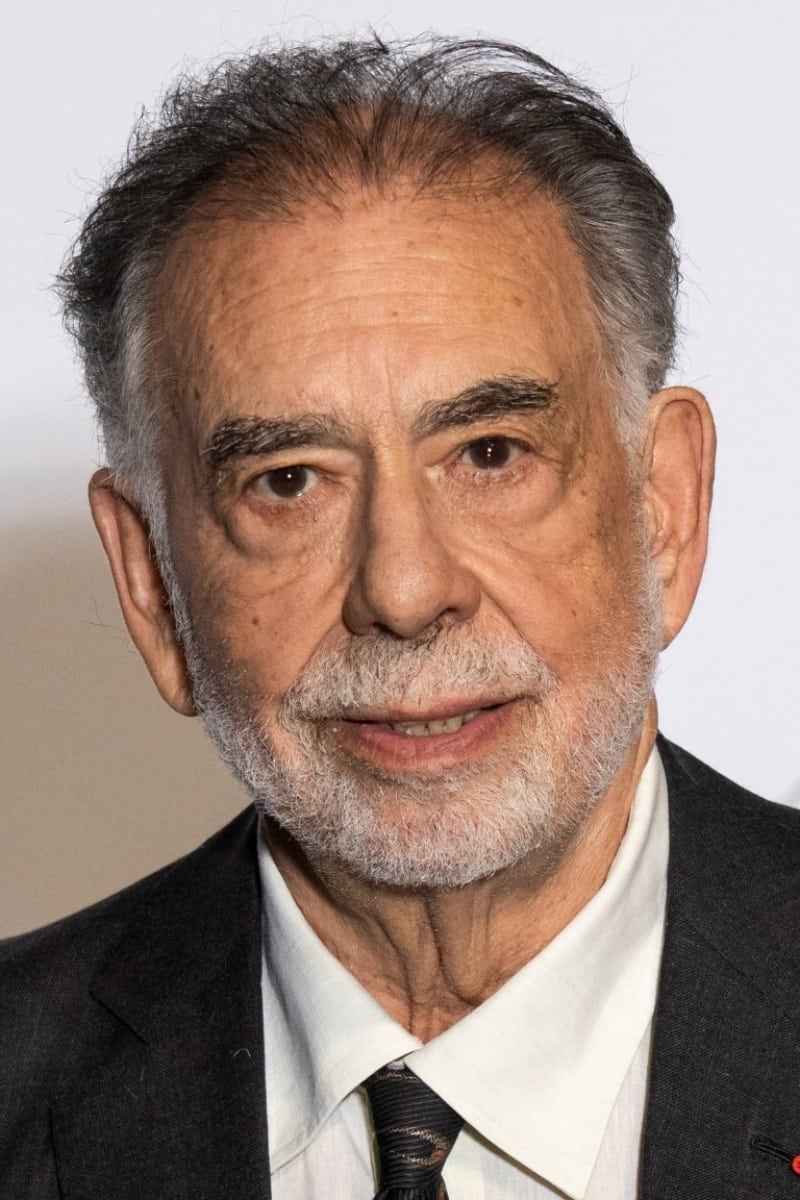
Coppola’s direction here is less about spectacle and more about meticulous psychological excavation. The deliberate pacing, particularly in the 1910s New York segments, allows De Niro's young Vito to simmer, his quiet intensity a stark contrast to Pacino’s increasingly glacial Michael. We witness Vito’s pragmatic brutality born of necessity, a stark mirror to Michael’s calculated, almost surgical cruelty, born of a perceived right. The screenplay, co-written by Coppola and Mario Puzo, achieves a rare feat: it enriches the past while simultaneously deepening the tragedy of the present. The parallel editing isn't just a stylistic choice; it's a thematic imperative, highlighting the cyclical nature of violence and the inescapable shadow of heritage.
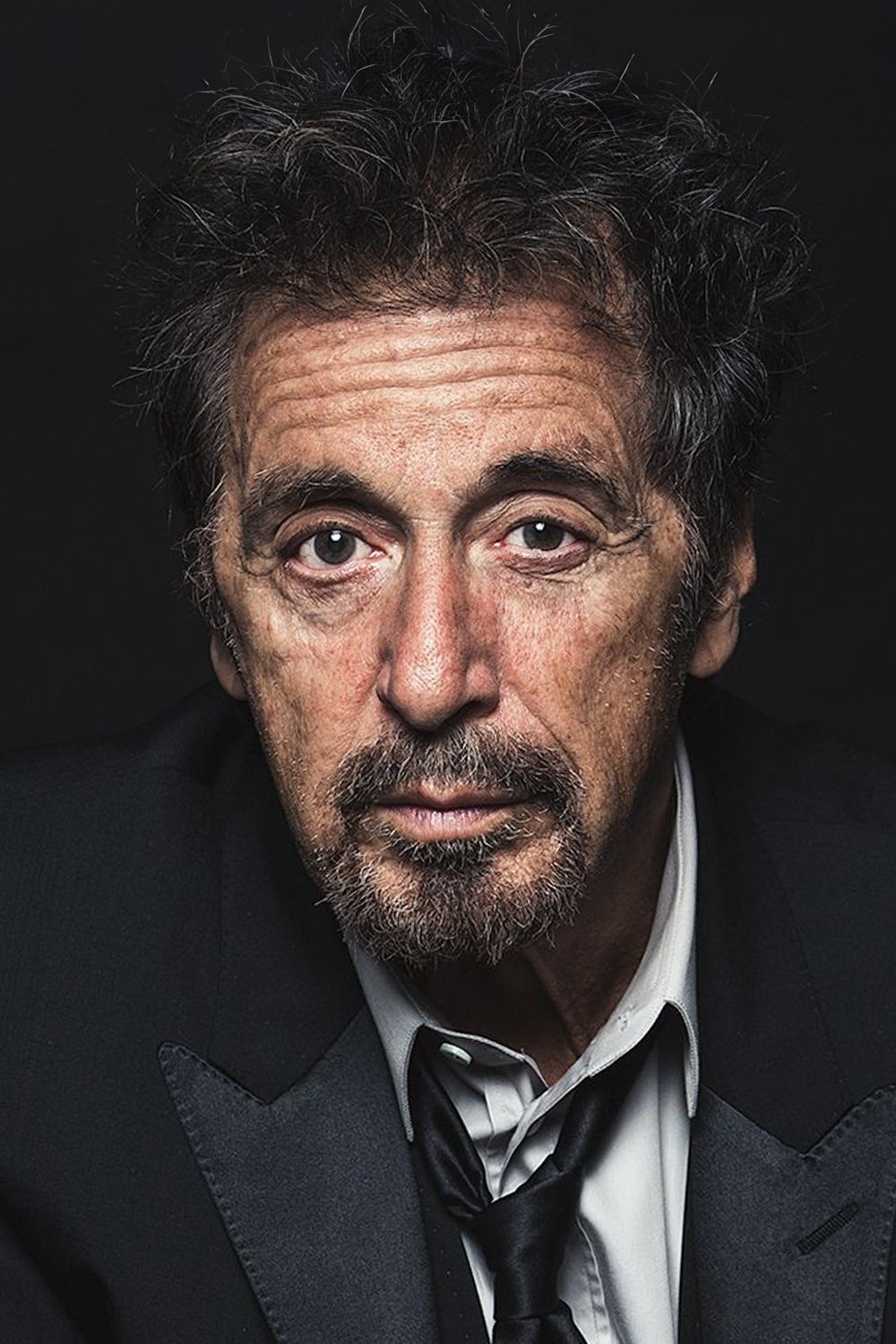
Cinematographer Gordon Willis, "The Prince of Darkness," continues his atmospheric genius. The chiaroscuro lighting, bathing rooms in oppressive shadows and leaving faces half-obscured, isn't just beautiful; it's a visual metaphor for the moral ambiguity that consumes the Corleones. Each frame feels deliberately composed, a painting of power and paranoia. Pacino's performance, in particular, is a tour de force of quiet desperation, his eyes often betraying the cost of his choices even as his demeanor remains unyielding. De Niro, on the other hand, embodies a different kind of strength, a charming menace that makes Vito's rise both terrifying and understandable.
While the film's scope is undeniably grand, its occasional moments of deliberate slowness, particularly in some of the political machinations, can test the patience of viewers accustomed to more rapid-fire narratives. These sections, while crucial for establishing the breadth of Michael's influence, occasionally feel less emotionally resonant than the more intimate family struggles. However, this is a minor quibble in a film that fundamentally understands cinema as a canvas for exploring the darkest corners of the human soul. *The Godfather Part II* isn't just a great film; it's an essential one, a towering achievement that demands repeated viewing and careful consideration. It’s a tragedy sculpted in film, a testament to the destructive allure of power.