The Shawshank Redemption
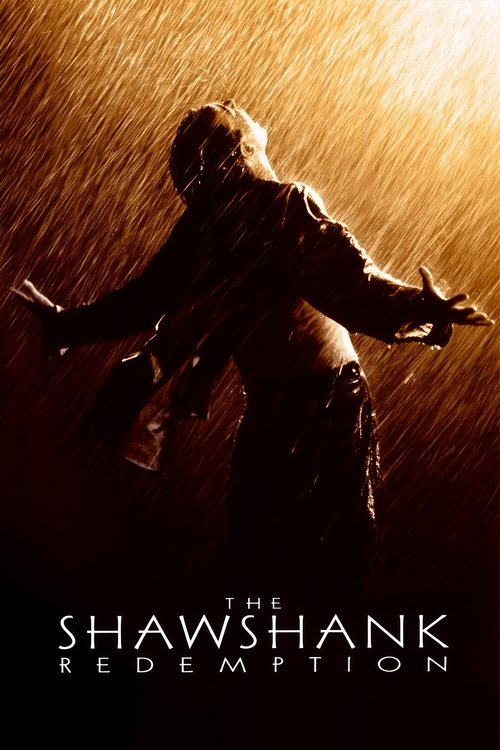
Imprisoned in the 1940s for the double murder of his wife and her lover, upstanding banker Andy Dufresne begins a new life at the Shawshank prison, where he puts his accounting skills to work for an amoral warden. During his long stretch in prison, Dufresne comes to be admired by the other inmates — including an older prisoner named Red — for his integrity and unquenchable sense of hope.











Where to watch


CINEMABOXD.COM Review
Frank Darabont’s "The Shawshank Redemption" often appears on lists celebrating cinematic achievement, and it is not difficult to understand why. It's a film that traffics in the most potent of human desires: freedom, hope, and redemption, all filtered through the grim lens of institutional incarceration. Yet, to simply label it a feel-good prison drama would be to miss the subtle, almost subversive, artistry at play.
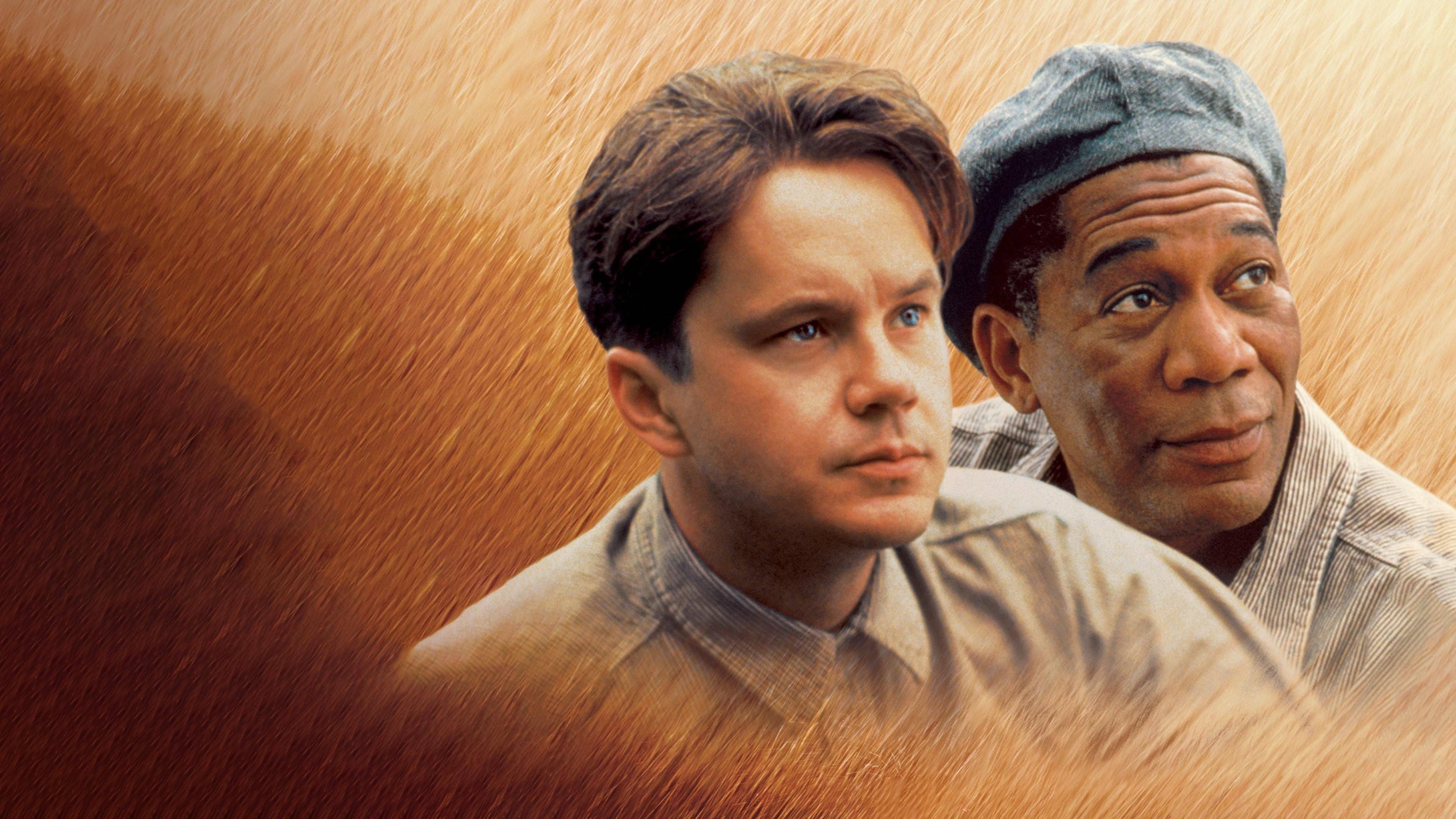
Darabont, in adapting Stephen King's novella, crafts a narrative that, on its surface, champions resilience. Tim Robbins’ Andy Dufresne is a fascinating study in quiet defiance. His performance is a masterclass in understatement, conveying an internal world of meticulous planning and unwavering spirit without resorting to overt emotional displays. It’s this very stoicism that makes his eventual triumph so resonant. Morgan Freeman’s Red, the film’s narrator and emotional anchor, provides the vital counterpoint, a voice weathered by despair, yet ultimately rekindled by Andy’s conviction. Their evolving friendship is the true core of the film, a testament to connection forged in the most desolate of circumstances.
However, "Shawshank" is not without its narrative conveniences. While the long-game escape is undeniably satisfying, some of the supporting characters, particularly the more overtly villainous guards and warden, occasionally border on caricature. This can, at times, detract from the film’s otherwise grounded realism, pushing it closer to fable than gritty drama. The pervasive, almost unwavering, goodness of Andy can also feel a touch idealized, perhaps diluting the complex moral ambiguities inherent in prison life.
Yet, its enduring appeal lies in its masterful cinematography and pacing. The camera often lingers on the stark beauty of the prison walls, transforming oppressive architecture into a canvas for human struggle and ingenuity. The slow burn of the narrative, meticulously building towards its explosive climax, is a testament to Darabont’s confidence in his storytelling. It’s a film that asks us to invest not in fleeting thrills, but in the profound, often arduous, journey of the human spirit. "The Shawshank Redemption" remains a powerful, if occasionally romanticized, exploration of what it means to truly be free, even when confined.