Unearthing 5 Overlooked 1970s Neo-Noir Masterpieces on US Archival Platforms
Advertisements
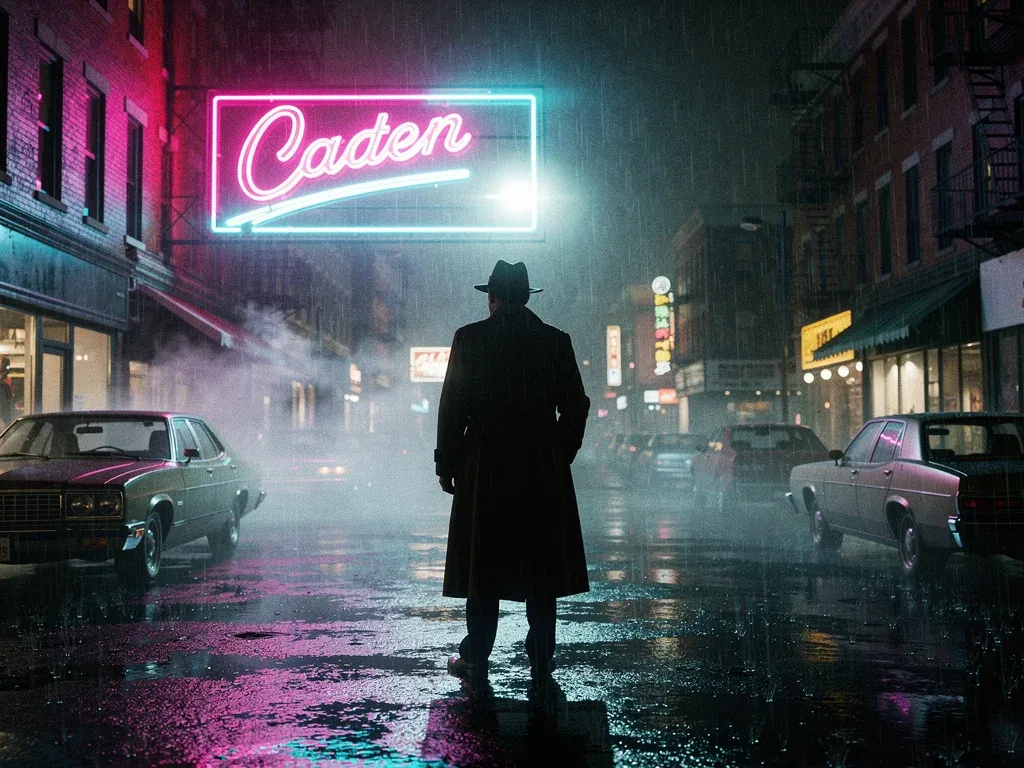
While standard Hollywood history celebrates the decade's biggest hits, true cinematic gold often hides in the shadows. Discovering forgotten 1970s Neo-Noir Masterpieces reveals a paranoia-fueled era of American filmmaking that mainstream lists completely overlook.
Beyond the well-worn classics lies a world of rain-slicked streets, cynical antiheroes, and uncompromising moral decay. These hidden gems pushed vintage hardboiled tropes to their absolute limits, leaving behind deeply haunting, underrated celluloid treasures.
Thankfully, specialized US streaming archives are finally rescuing these lost crime thrillers from obscurity. Here are five forgotten noir classics waiting to be rediscovered on home screens today.
The Resurgence of 1970s Neo-Noir in the Digital Age
The 1970s marked a pivotal era for American cinema, characterized by a shift towards more complex, morally ambiguous narratives mirroring societal unrest. Neo-noir, a genre that revitalized classic film noir themes with contemporary settings and concerns, flourished during this period.
While iconic films like Chinatown and The French Connection rightly earned their place in cinematic history, a multitude of equally compelling neo-noir works slipped under the radar. These films often explored themes of corruption, disillusionment, and the crumbling American dream with a distinctive stylistic flair.
The ongoing digitization efforts by various US archival platforms are now bringing these forgotten narratives back into public consciousness. This provides a unique opportunity for both seasoned cinephiles and new audiences to engage with a rich, often challenging, cinematic past.
Unearthing Hidden Cinematic Gems
Identifying truly overlooked 1970s neo-noir masterpieces requires a deep dive into film history and archival records. These films often lacked the marketing budgets or critical champions of their more famous counterparts, yet they possess a raw power and artistic integrity that demands recognition.
Our selection focuses on films that exemplify the neo-noir spirit of the 1970s, showcasing innovative storytelling, memorable performances, and a palpable sense of atmospheric dread. Each film offers a unique perspective on the genre's evolution during a period of profound cultural change.
The journey to uncover these films involves sifting through decades of critical neglect and limited distribution, highlighting the invaluable role of film archives. Their dedicated work ensures these significant cultural artifacts are not lost to time.
The Parallax View (1974)
Alan J. Pakula's The Parallax View stands as a chilling examination of paranoia and corporate conspiracy, a hallmark of 1970s neo-noir. Starring Warren Beatty as a journalist investigating a political assassination, the film masterfully builds an atmosphere of creeping dread and systemic corruption.
Its unsettling narrative and innovative visual style make it a quintessential example of the era's political thrillers. The film's exploration of unseen forces manipulating public perception remains startlingly relevant today, reflecting timeless anxieties about power and control.
Director: Alan J. Pakula
Key Themes: Paranoia, Conspiracy, Media Manipulation
Archival Home: Warner Bros. Archive (digital licenses via various streaming services)
Night Moves (1975)
Arthur Penn's Night Moves, featuring Gene Hackman as a disillusioned private detective, offers a melancholic and complex take on the neo-noir genre. The film intertwines a missing persons case with themes of personal failure and moral decay, set against the backdrop of a changing America.
Hackman's nuanced performance anchors a story that defies easy categorization, delving into the psychological toll of detective work. Its subtle narrative and ambiguous ending resonate long after the credits roll, cementing its status as a profound character study within the genre.
Director: Arthur Penn
Key Themes: Disillusionment, Moral Ambiguity, Personal Failure
Archival Home: Warner Bros. Archive (digital licenses often through TCM, Criterion Channel)
Accessing Archival Platforms by 2026
The landscape of film preservation and digital distribution is rapidly evolving, making it increasingly feasible to access these 1970s neo-noir masterpieces.
Major archival platforms and specialized streaming services are continuously expanding their libraries, often striking deals with studios to digitize and present classic films.
By 2026, it is anticipated that many of these previously hard-to-find titles will be more readily available through a combination of subscription services, digital rental/purchase platforms, and institutional archives offering public access. This shift represents a significant victory for film preservation and accessibility.
Understanding the various avenues for access is crucial for cinephiles aiming to explore these overlooked works. From established streaming giants to niche platforms, each plays a vital role in bringing these films to new audiences.
The Friends of Eddie Coyle (1973)
Peter Yates' The Friends of Eddie Coyle is a gritty, unsentimental look at the Boston underworld, starring Robert Mitchum in one of his most iconic roles. This film embodies the bleak realism of 1970s neo-noir, focusing on the mundane desperation of small-time criminals rather than glamorous theatrics.
Mitchum's portrayal of an aging gunrunner caught between the law and his criminal associates is heartbreakingly authentic. The film's documentary-like style and authentic dialogue provide a stark, unflinching portrait of betrayal and survival.
Director: Peter Yates
Key Themes: Loyalty, Betrayal, Criminal Underworld
Archival Home: Paramount Pictures Archive (often available via Paramount+, digital rentals)
Thieves Like Us (1974)
Robert Altman's Thieves Like Us reimagines the classic gangster narrative with a tender, melancholic touch, setting it firmly within the 1970s neo-noir sensibility. Keith Carradine and Shelley Duvall star as young, naive lovers whose lives are entangled in a string of bank robberies during the Great Depression.
Altman's signature naturalistic style and overlapping dialogue create an intimate, almost voyeuristic experience. The film eschews traditional crime movie heroics, focusing instead on the tragic romance and inevitable downfall of its characters, making it a poignant entry in the genre.
Director: Robert Altman
Key Themes: Romance, Crime, Inevitable Downfall
Archival Home: MGM Archive (digital licenses via various streaming platforms, often Max)
Navigating Streaming Platforms in 2026
By 2026, the streaming landscape will likely offer more integrated and specialized options for accessing classic cinema, including 5 overlooked 1970s neo-noir masterpieces. Platforms like The Criterion Channel, Mubi, and specialized archives such as the UCLA Film & Television Archive are expected to continue expanding their digital offerings.
Furthermore, major studios are increasingly making their deep catalogs available through their own streaming services or licensing them to third parties. This creates a multi-faceted approach to content delivery, requiring viewers to know where to look for specific titles.
Anticipate a future where direct partnerships between film archives and commercial streaming platforms become more commonplace. This will significantly enhance the discoverability and accessibility of these rare cinematic works for a global audience.
Bring Me the Head of Alfredo Garcia (1974)
Sam Peckinpah's Bring Me the Head of Alfredo Garcia is a brutal, nihilistic odyssey into the dark heart of obsession and violence, a quintessential example of 1970s neo-noir's uncompromising edge. Warren Oates delivers a raw, unforgettable performance as a down-and-out musician chasing a gruesome bounty in Mexico.
The film's unflinching portrayal of human depravity and its bleak, fatalistic outlook set it apart. Peckinpah's vision is both shocking and strangely poetic, a visceral experience that challenges conventional morality and explores the depths of human desperation.
Director: Sam Peckinpah
Key Themes: Obsession, Violence, Moral Decay
Archival Home: MGM Archive (digital licenses often through Prime Video, Tubi)
The Enduring Legacy of 1970s Neo-Noir
The impact of 1970s neo-noir extends far beyond its initial release, influencing subsequent generations of filmmakers and shaping our understanding of the crime genre. These films challenged conventions, embraced ambiguity, and reflected a turbulent era, making them vital cultural artifacts.
Their enduring relevance lies in their willingness to tackle uncomfortable truths about society and human nature. As these 5 overlooked 1970s neo-noir masterpieces become more accessible, their critical re-evaluation will undoubtedly contribute to a richer understanding of cinematic history.
The process of rediscovery highlights the importance of film preservation and the evolving methods of making cinema available to all. The future of film appreciation hinges on the ability to connect past works with present audiences.
Preservation Efforts and Future Accessibility
Film preservation is a continuous, vital effort, especially for films that may not have received mainstream attention. Archives across the US are diligently working to restore, digitize, and catalog these important cinematic works, ensuring their longevity and accessibility.
Technological advancements in digital restoration mean that films once thought lost or irrevocably damaged can now be brought back to life with stunning clarity. This commitment to preservation directly impacts the availability of 5 overlooked 1970s neo-noir masterpieces for future streaming.
The collaborative efforts between film archives, academic institutions, and commercial entities are paving the way for a more comprehensive and accessible cinematic library. This ensures that the rich tapestry of 1970s neo-noir continues to be woven into the fabric of film culture.
The Cultural Significance of Rediscovery
Rediscovering 5 overlooked 1970s neo-noir masterpieces is not merely an academic exercise; it is a cultural imperative. These films offer invaluable insights into the social, political, and psychological landscape of a transformative decade, providing a lens through which to understand our own times.
Their dark narratives and complex characters resonate with contemporary anxieties, demonstrating the timeless power of storytelling. The act of bringing these films to a wider audience fosters a deeper appreciation for the artistry and courage of 1970s filmmakers who dared to challenge the status quo.
This ongoing process of rediscovery enriches the cinematic canon, ensuring that diverse voices and perspectives from the past continue to inform and inspire. It is a testament to the enduring power of film as both an art form and a historical document.
Key Masterpiece | Brief Description |
|---|---|
The Parallax View | Chilling conspiracy thriller with a journalist uncovering a vast, sinister organization. |
Night Moves | Melancholic detective story exploring personal failure and moral decay in a complex narrative. |
The Friends of Eddie Coyle | Gritty, realistic portrayal of an aging gunrunner caught in the desperate Boston underworld. |
Bring Me the Head of Alfredo Garcia | Brutal, nihilistic odyssey of obsession and violence in search of a gruesome bounty. |
Frequently Asked Questions About 1970s Neo-Noir Masterpieces
What defines a 1970s neo-noir masterpiece?▼
1970s neo-noir films often blend classic film noir elements like cynical protagonists and moral ambiguity with contemporary themes. They reflect the era's disillusionment, political corruption, and societal unrest, frequently employing gritty realism and complex psychological narratives that challenged traditional Hollywood tropes.
Why are these films considered 'overlooked'?▼
Many of these films, despite their artistic merit, faced limited distribution, lacked significant marketing, or were overshadowed by more commercially successful blockbusters of the era. Critical re-evaluation over time has brought them renewed attention, but they remain less widely known than their mainstream counterparts.
How can I stream these films on US archival platforms by 2026?▼
By 2026, expect increased availability on specialized streaming services like The Criterion Channel, Mubi, and institutional archives like the UCLA Film & Television Archive. Major studio platforms such as Max or Paramount+ may also license these titles. Digital rental/purchase options will also be common.
Are these films truly 'masterpieces' if they were overlooked?▼
The term 'masterpiece' often evolves with critical perspective and time. While overlooked initially, these films demonstrate exceptional artistic quality, thematic depth, and lasting influence on cinema. Their neglect was often due to market forces or contemporary critical biases, not a lack of inherent artistic value.
What is the importance of film archives in this context?▼
Film archives are crucial for preserving these 1970s neo-noir masterpieces from degradation and loss. They restore, digitize, and catalog rare prints, making them accessible for research, study, and eventual public streaming. Without their efforts, many of these significant works would be permanently lost to history.
Looking Ahead: The Future of Film Discovery
The ongoing digitization and renewed critical attention toward 5 overlooked 1970s neo-noir masterpieces signal a promising future for film discovery.
As technology advances and archival efforts expand, more hidden gems from various cinematic eras will undoubtedly emerge.
This trend enriches our understanding of film history and offers audiences a broader, more nuanced appreciation of the art form, moving beyond the traditionally celebrated canon.