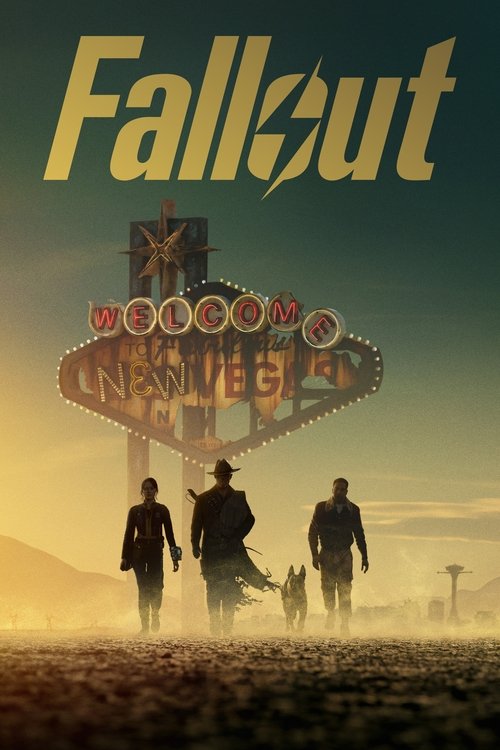
Fallout
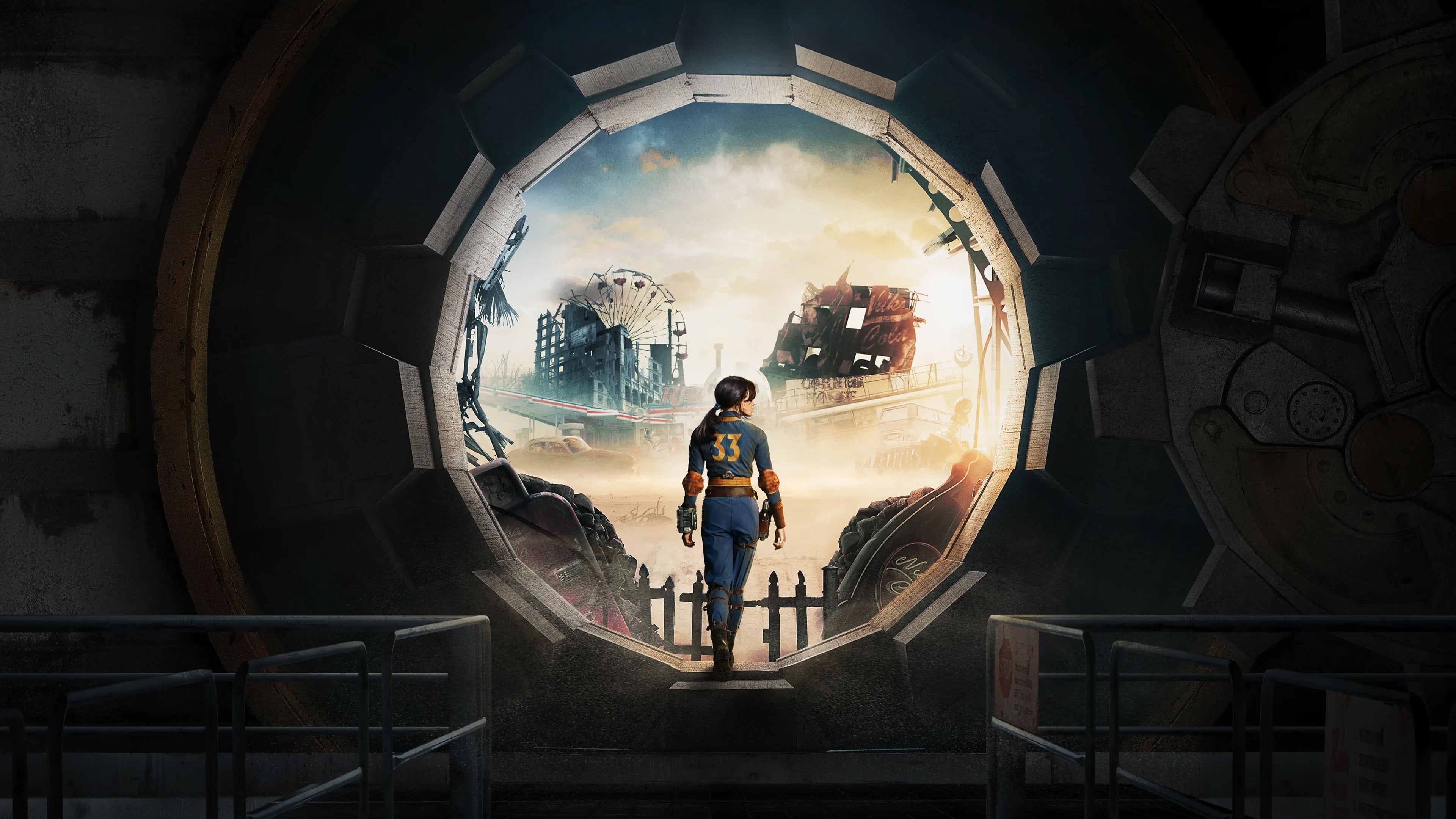
The story of haves and have-nots in a world in which there’s almost nothing left to have. 200 years after the apocalypse, the gentle denizens of luxury fallout shelters are forced to return to the irradiated hellscape their ancestors left behind — and are shocked to discover an incredibly complex, gleefully weird, and highly violent universe waiting for them.
Episodes
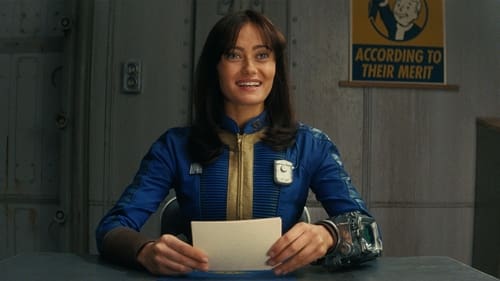
The End
Okey dokey...
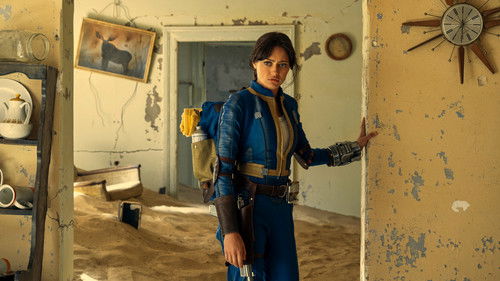
The Target
I know life can't have been easy up here...
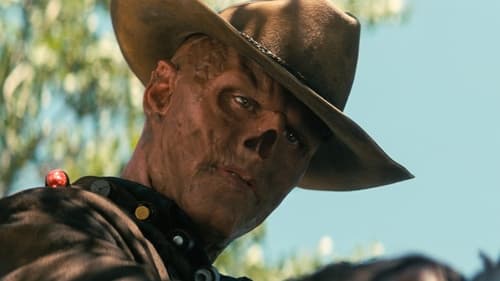
The Head
The Wasteland's got its own Golden Rule...
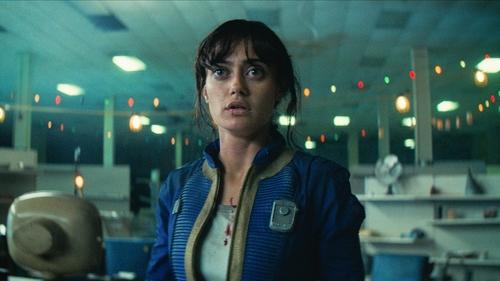
The Ghouls
Death to Management.
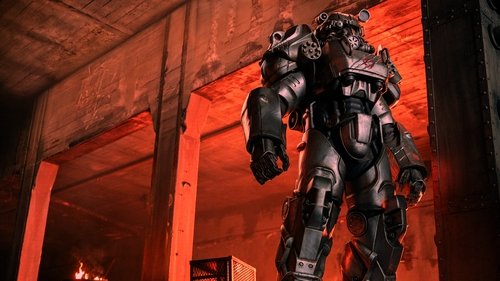
The Past
Everyone wants to save the world...
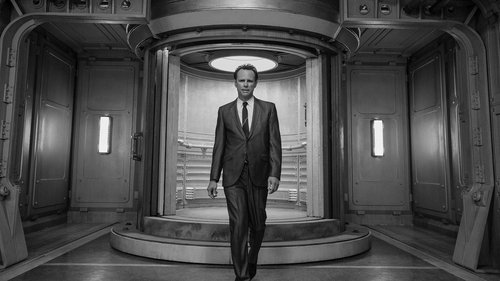
The Trap
What happens when the ranchers have more power than the Sheriff?
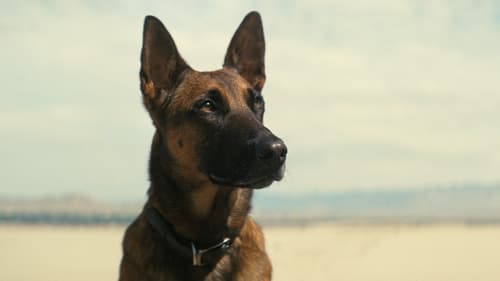
The Radio
Every generation has their own dumbass ideas...
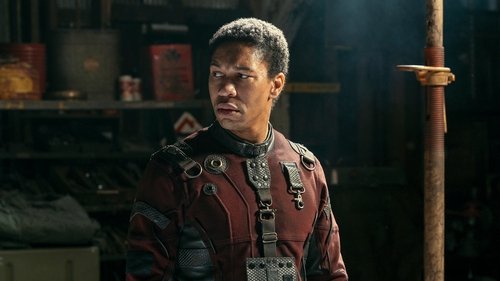
The Beginning
War...
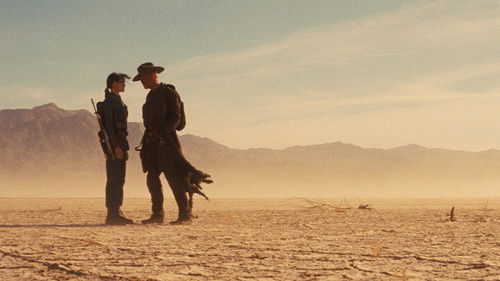
The Innovator
Every dollar spent is a vote cast.
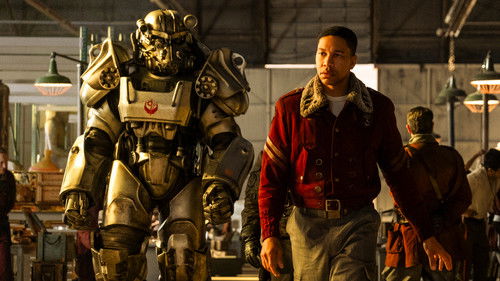
The Golden Rule
You can't put a price on family…
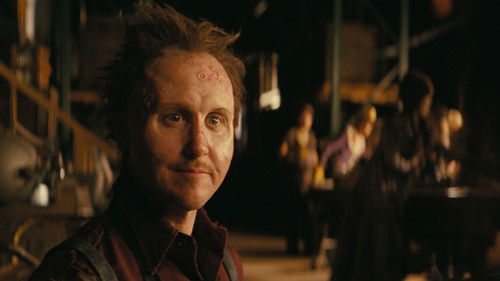
The Profligate
Most kids are dead by this age.
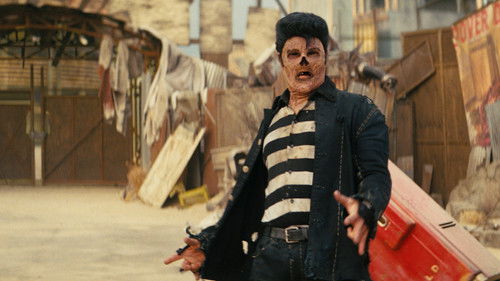
The Demon in the Snow
Rock to spear and so on...
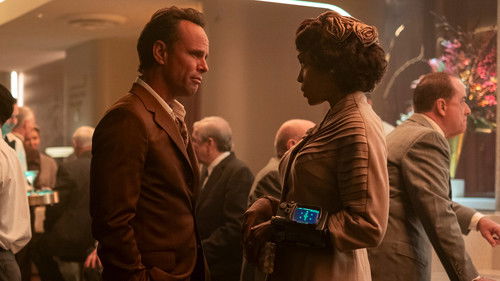
The Wrangler
Big Whoop.
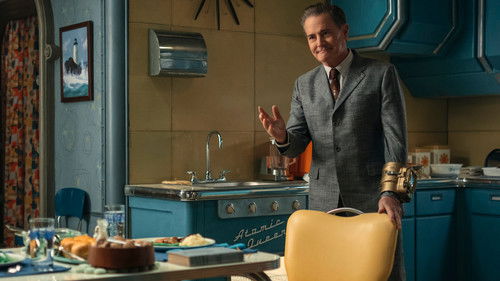
The Other Player
I remember good people.
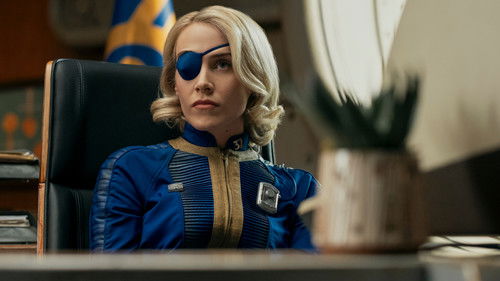
The Handoff
You always end up back where you started.
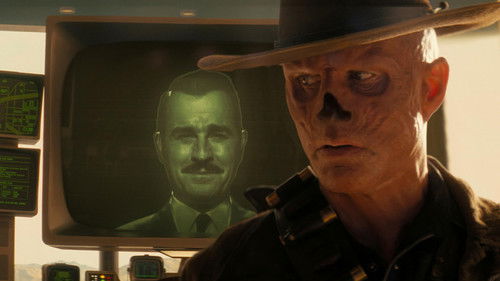
The Strip
Winning might be overrated...

Where to watch


CINEMABOXD.COM Review
"Fallout" arrives on our screens not as a mere adaptation, but as a surprisingly earnest attempt to translate a sprawling, idiosyncratic world into compelling television. What immediately struck me was its audacious commitment to the source material's bizarre tonal shifts, a balancing act many lesser productions would fumble. Here, the gleefully weird and the profoundly violent coexist, not as jarring contradictions, but as integral components of a society shattered and rebuilt with peculiar rules.
The series shines brightest in its direction and visual storytelling. The irradiated hellscape is rendered with a painterly eye, each frame bursting with a desolate beauty that speaks volumes about humanity's enduring impact, even in ruin. Cinematography plays a crucial role in establishing the visual contrast between the sterile, almost theatrical perfection of the vaults and the chaotic, sun-baked brutality of the surface. It's a visual language that underscores the central theme: the haves and have-nots, forced into an uncomfortable, often deadly, reunion.
Ella Purnell as Lucy is a revelation. Her performance navigates the treacherous waters of wide-eyed innocence and burgeoning disillusionment with remarkable precision. She embodies the sheltered idealist confronting the brutal realities of her heritage, and her journey is the series' emotional anchor. Walton Goggins, too, delivers a masterclass in nuanced villainy, or perhaps, anti-heroism. His portrayal is a complex tapestry of past trauma and present brutality, lending depth to what could easily have been a caricature.
However, the screenplay, while ambitious, occasionally falters under the weight of its own world-building. While the "incredibly complex" universe is a strength, there are moments when the exposition feels less organic and more like a checklist of lore to be unpacked. Some narrative threads, particularly those involving secondary characters, feel underdeveloped, leaving tantalizing questions unanswered or resolved too conveniently. This occasionally pulls back from the otherwise immersive experience, reminding us that we are watching a story, rather than living it.
Ultimately, "Fallout" is a brave and largely successful endeavor. It respects its origins while carving out its own identity, offering a potent cocktail of dark humor, visceral action, and surprisingly poignant reflections on survival and morality. It’s a series that dares to ask what happens when paradise is forced to confront the wasteland it helped create, and for that alone, it demands our attention.