Episodes
Episode 1
Episode 2
Episode 3
Episode 4
Episode 5
Episode 6








CINEMABOXD.COM Review
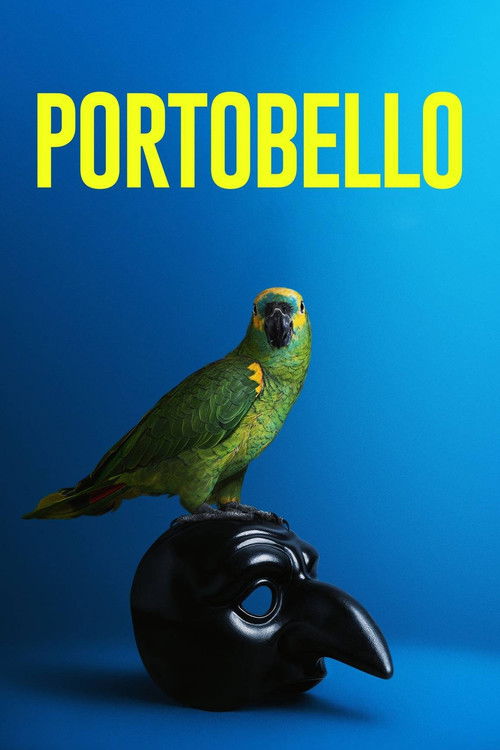
Portobello, the 2026 series chronicling Enzo Tortora's devastating fall, arrives not merely as historical recounting but as a visceral exploration of systemic injustice. From the opening shot, a stark, almost clinical depiction of Tortora's hotel room arrest, director (whose name isn't provided but whose vision is palpable) establishes a tone of suffocating inevitability. This isn't a whodunit; it's a "how-it-happened," and the screenplay masterfully unravels the threads of an innocent man's unraveling, moving beyond simple biography into a broader commentary on the fragility of reputation and the weaponization of the legal system.
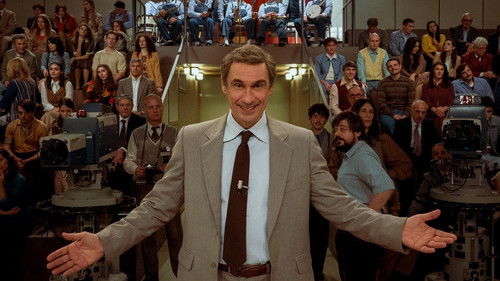
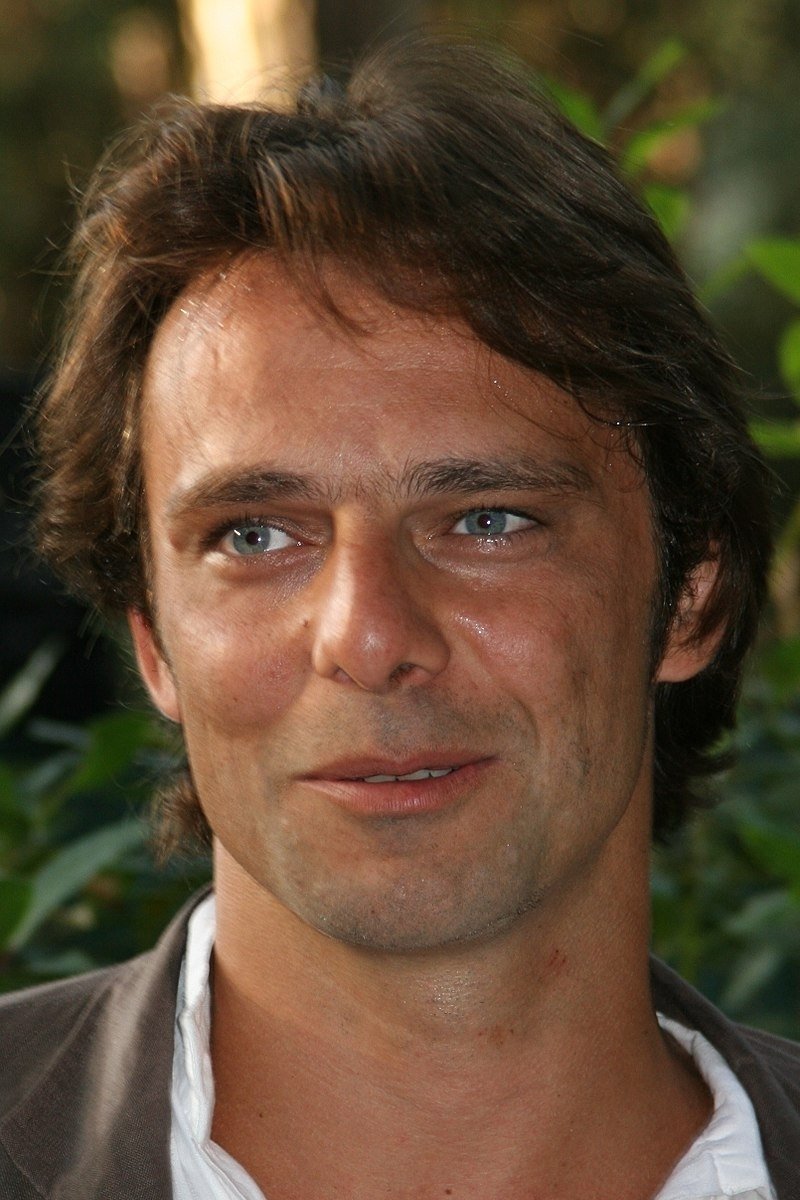
Fabrizio Gifuni’s portrayal of Tortora is a tour de force, eschewing caricature for a deeply nuanced descent into despair. His early scenes, radiating a confident charm befitting a successful television personality, make the subsequent humiliation all the more gut-wrenching. You feel the weight of each accusation, each public shaming, not as a plot point, but as a blow to the soul. Lino Musella and Romana Maggiora Vergano, as characters likely caught in the periphery of this maelstrom, anchor the human cost, their performances subtle yet resonant. The ensemble cast, notably Alessandro Preziosi and Fausto Russo Alesi, add layers of bureaucratic indifference and calculated malice, painting a chilling portrait of complicity.
However, the series occasionally falters in its pacing. While the deliberate build-up effectively conveys Tortora's protracted agony, there are moments, particularly in the mid-section, where the narrative treads water, sacrificing momentum for emotional immersion. The cinematography, while often breathtaking in its stark realism, sometimes leans into an almost oppressive gray palette, which, while thematically appropriate, can feel visually monotonous over six episodes. Still, Portobello is a significant achievement, a powerful, often uncomfortable, examination of how quickly an individual can be crushed by the machinery of the state. It demands to be watched, not just for its historical significance, but for its unflinching artistic dissection of a human tragedy.