Track 12 Overlooked 70s Sci-Fi Cult Classics 4K in 2026
Advertisements
How to Track 12 Overlooked 1970s Sci-Fi Cult Classics Receiving New 4K Restorations in 2026 explores the growing interest in restoring overlooked science fiction films and explains how collectors can identify confirmed releases without relying on unverified announcements.
The renewed attention surrounding 1970s sci-fi 4K restorations 2026 reflects the enduring appeal of an era known for experimental storytelling, imaginative production design, and ambitious science fiction concepts.
Although several notable films have received confirmed 2026 editions, there is no verified announcement establishing a single coordinated restoration project involving exactly 12 titles. Enthusiasts should distinguish documented releases from speculation and potential future projects.
The Resurgence of 1970s Sci-Fi in 4K
Science fiction cinema experienced considerable creative experimentation during the 1970s, with filmmakers exploring artificial intelligence, environmental crises, space exploration, and anxieties surrounding technological progress.
Today, specialized distributors are revisiting films from that period through restorations and home video editions designed to preserve their distinctive visual styles.
The interest in 1970s sci-fi 4K restorations 2026 also reflects broader efforts in film preservation, allowing older productions to remain accessible through modern viewing formats.
Identifying the Overlooked Gems
Identifying lesser-known science fiction classics requires examining individual distributor announcements rather than assuming every anticipated title belongs to a coordinated release program.
Confirmed 2026 editions include The Visitor (1979), Futureworld (1976), and The Andromeda Strain (1971), each associated with a documented 4K Ultra HD release.
These titles demonstrate the diversity of 1970s sci-fi 4K restorations 2026, ranging from science-based thrillers to dystopian entertainment and unconventional science fiction horror.
The Criteria for Cult Classic Selection
Films often achieve cult status through distinctive artistic choices, unusual narratives, memorable performances, or a devoted audience that develops long after the original theatrical release.
Specialized distributors may also consider historical importance, surviving film elements, licensing arrangements, and the potential demand for collector-oriented editions.
For audiences interested in 1970s sci-fi 4K restorations 2026, examining the characteristics of cult cinema can help explain why some unconventional productions receive renewed attention.
Historical Significance: Films that influenced genres or filmmaking techniques.
Cult Following: Productions that developed dedicated audiences over time.
Creative Distinction: Unusual narratives, visual effects, and thematic experimentation.
The 4K Restoration Process Explained
A film restoration generally begins with identifying and inspecting the best surviving materials, which may include original camera negatives, intermediate elements, or archival prints.
Suitable film elements can be scanned at high resolution, allowing restoration specialists to address scratches, dirt, image instability, and certain forms of damage.
However, a film released on 4K Ultra HD Blu-ray is not automatically sourced from a newly completed 4K restoration. When evaluating 1970s sci-fi 4K restorations 2026, the distinction between scanning, restoration, remastering, and disc resolution matters.
Technical Challenges and Solutions
Older film materials may exhibit fading, scratches, chemical deterioration, or inconsistencies introduced during production and subsequent storage.
Restoration specialists must balance correcting unwanted damage with preserving intentional grain, color characteristics, photographic effects, and other features of the original presentation.
For collectors following 1970s sci-fi 4K restorations 2026, detailed technical notes about source materials, audio restoration, and color grading can provide valuable information about each edition.
Platforms and Distribution Channels for 2026 Releases
Physical media remains an important distribution format for restored classics, particularly for collectors seeking high-bitrate video, original audio presentations, and supplementary features.
Streaming availability is another possibility, although licensing agreements may differ by territory and can change independently of physical media release schedules.
Tracking 1970s sci-fi 4K restorations 2026 therefore involves monitoring physical editions, repertory screenings, and streaming distribution arrangements separately.
Key Distributors and Studios Involved
Boutique labels such as Arrow Video, Criterion Collection, Vinegar Syndrome, and other specialist distributors frequently release restored or remastered classic films.
Arrow Video's 2026 catalogue includes the 4K Ultra HD edition of Futureworld, a 1976 science fiction sequel starring Peter Fonda, Blythe Danner, and Yul Brynner.
The documented release provides a concrete example of 1970s sci-fi 4K restorations 2026 receiving specialist treatment, including restored audio, supplemental interviews, and collector-oriented presentation.
Arrow Video: Confirmed 2026 4K editions of several genre films.
Film Archives: Institutions involved in preserving and restoring cinema history.
Specialized Distributors: Labels offering physical releases and supplemental material.
The Cultural Impact of Revitalized Cult Classics
Restored science fiction films can introduce older productions to audiences who previously encountered them through damaged prints, outdated television transfers, or limited home video editions.
Improved presentations may reveal details of cinematography, production design, and practical effects that were less visible in earlier releases.
The cultural importance of 1970s sci-fi 4K restorations 2026 therefore extends beyond image resolution, supporting renewed discussion about the history and influence of genre cinema.
Relevance in Modern Cinema
Many science fiction films from the 1970s explored technological dependence, environmental concerns, institutional power, and the consequences of scientific experimentation.
These subjects remain recognizable in contemporary entertainment, making older productions relevant to audiences interested in the development of modern science fiction storytelling.
Revisiting 1970s sci-fi 4K restorations 2026 can also demonstrate how filmmakers created imaginative worlds using miniature effects, physical sets, optical techniques, and inventive practical solutions.
How to Track the 2026 Releases: Practical Steps
Following classic film restorations requires checking individual distributor catalogues because announcement schedules, regional distribution rights, and release dates can differ significantly.
Collectors can maintain a personal tracking list containing film titles, original release years, distributors, physical formats, and the status of official announcements.
For 1970s sci-fi 4K restorations 2026, confirmed examples include The Visitor, released by Arrow Video in February, and Futureworld, with a listed October release in the United Kingdom.
Essential Resources for Film Trackers
Physical media catalogues and specialist film databases provide information about formats, regional editions, special features, and expected availability.
Distributor newsletters can also help collectors identify newly announced restorations, while specialist publications may offer technical reviews once an edition becomes available.
When tracking 1970s sci-fi 4K restorations 2026, distinguish official release information from forum speculation, particularly when discussing titles without published licensing or distribution details.
Distributor Catalogues: Follow confirmed announcements and product specifications.
Physical Media Databases: Compare different editions and regional releases.
Specialist Publications: Read coverage of restoration quality and technical presentations.
Anticipated Impact on Film Preservation and Accessibility
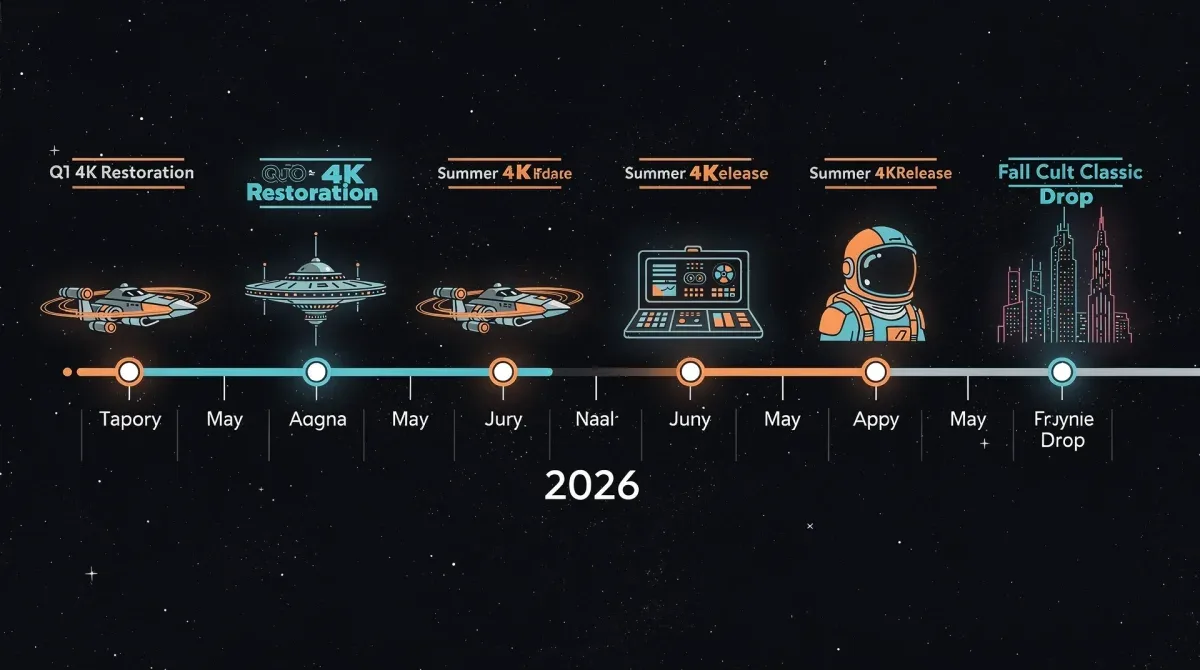
Restoration projects can make historically significant productions more accessible by preserving surviving film materials and creating updated presentation masters.
However, long-term preservation requires more than commercial distribution. Proper storage, documentation, archival management, and continued access to suitable source elements remain essential.
The attention surrounding 1970s sci-fi 4K restorations 2026 illustrates how specialized home video releases can support appreciation for cinema history without guaranteeing that every film receives comprehensive archival treatment.
The Future of Classic Film Re-releases
Continued interest in restored cinema may encourage distributors to investigate additional titles whose original materials are available and whose licensing rights can be secured.
Nevertheless, restoration projects require financial resources, technical expertise, and rights clearance, meaning that some films may remain unavailable despite significant cultural interest.
For collectors following 1970s sci-fi 4K restorations 2026, the most useful approach is to monitor verified announcements while recognizing that restoration and distribution decisions vary by film.
Key Point | Brief Description |
|---|---|
What's Happening | Several 1970s science fiction films have documented 2026 4K releases, but a coordinated list of 12 restorations has not been verified. |
Why It Matters | Restored editions can preserve visual details and introduce classic genre cinema to new viewers. |
How to Track | Monitor official distributor catalogues, specialist publications, and physical media databases. |
Anticipated Impact | Renewed interest may encourage additional preservation projects and wider access to older films. |
Frequently Asked Questions About 1970s Sci-Fi 4K Restorations
Which specific 1970s sci-fi cult classics are receiving 4K restorations?▼
Documented 2026 releases include The Visitor (1979), Futureworld (1976), and The Andromeda Strain (1971). Each has a confirmed 4K Ultra HD edition associated with a specialist distributor. However, there is no verified coordinated list of exactly 12 films receiving new restorations under a single 2026 initiative.
What does a 4K restoration entail for these older films?▼
A 4K restoration may involve high-resolution scanning of surviving film materials, digital repair of physical damage, stabilization, color correction, and audio restoration. The exact process varies according to the condition of the source materials and the intended presentation. A 4K disc does not necessarily indicate that every stage involved a new 4K scan.
Where will these 4K restored films be available for viewing in 2026?▼
Confirmed editions are available or scheduled through specialist physical media distributors, although release dates and availability differ by country. Some restored films may also appear through streaming services or theatrical screenings. Collectors should distinguish confirmed release formats from possible future distribution arrangements.
Why are 1970s sci-fi films being specifically targeted for these restorations?▼
The 1970s produced influential science fiction films that explored technological change, environmental fears, social control, and unconventional storytelling. Specialist distributors may revisit these works because of their cultural significance, dedicated audiences, and surviving film materials. However, restoration decisions also depend on licensing, cost, and technical feasibility.
How can I stay updated on the release schedule for these 4K restorations?▼
Follow official distributor catalogues, film restoration announcements, and specialist physical media publications. Maintain a list of confirmed titles, dates, formats, and territories. When monitoring 1970s sci-fi 4K restorations 2026, avoid treating rumors or unconfirmed release schedules as official announcements.
Looking Ahead
The renewed interest in 1970s sci-fi 4K restorations 2026 demonstrates the importance of preserving films that contributed to the development of modern science fiction cinema.
Although a coordinated project involving exactly 12 overlooked titles remains unverified, confirmed editions show that distributors continue to invest in classic genre releases and cult and overlooked cinema.
For collectors and film enthusiasts, maintaining accurate release information makes it easier to discover restored films, compare editions, and appreciate the creative achievements of an influential period in filmmaking.