35mm vs 4K Scans: Cult Classics Reimagined
Advertisements
35mm vs 4K scans in 2026 reveals how original film prints and modern digital restorations shape the appearance of five cult classics: Blade Runner, Eraserhead, Pulp Fiction, The Big Lebowski, and Akira. Explore film grain, color accuracy, resolution, and preservation.
The debate surrounding 35mm vs 4K scans in 2026 continues as audiences rediscover cult classics through theatrical screenings, restored editions, and high-resolution home releases.
Original film prints offer a distinctive photochemical presentation, while carefully produced 4K scans can reveal details preserved in surviving negatives and other film elements.
Comparing five influential titles helps explain how resolution, color grading, grain, and restoration choices can shape the experience of watching classic cinema.
The Enduring Debate: 35mm Versus 4K Scans
Comparing theatrical 35mm film with modern 4K restorations involves more than identifying which format produces a sharper picture. Each presentation has different technical characteristics.
A film print reflects a physical photographic process, while a digital restoration translates information from film materials into a digital image for preservation and exhibition.
For movies with distinctive cinematography, these differences matter. The challenge is maintaining their visual identity while allowing audiences to experience well-preserved images.
Defining Cult Classics for Format Comparison
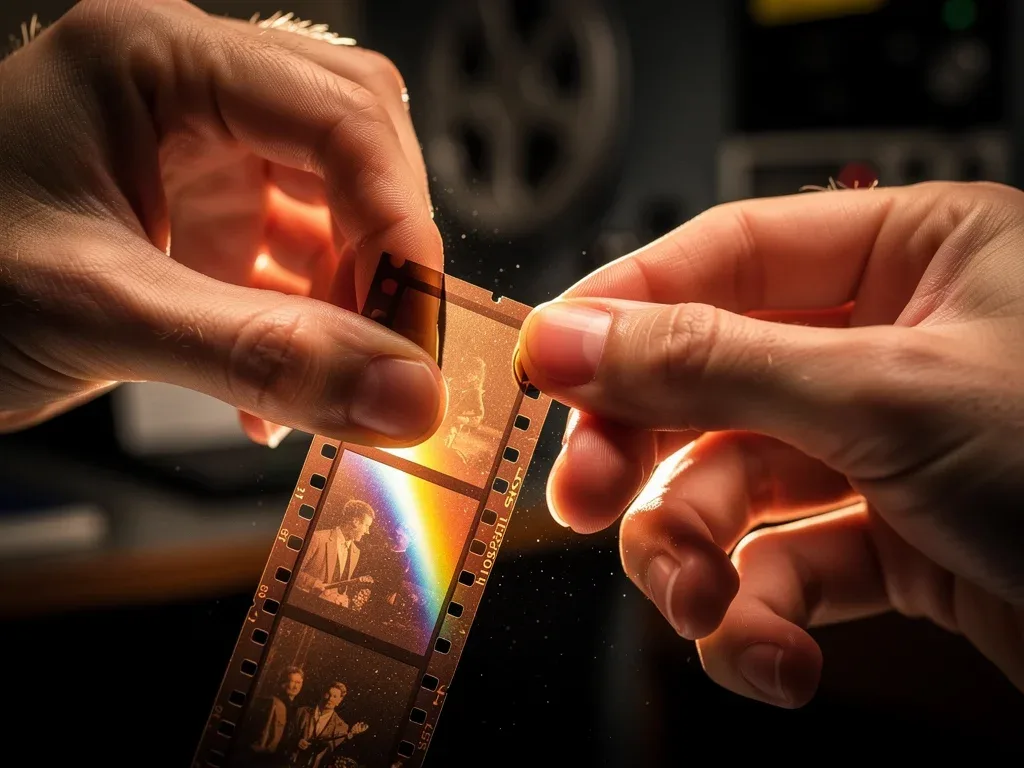
Cult classics often develop dedicated audiences through unusual storytelling, distinctive visual styles, or lasting cultural influence. Many continue attracting attention long after their theatrical releases.
The five films examined here represent science fiction, experimental cinema, crime drama, comedy, and animation. Their differences make them useful examples for format comparison.
Understanding how cult titles develop lasting audiences also helps explain why preservation quality matters to viewers and collectors.
Why Original Film Presentation Matters
Traditional 35mm projection produces images through light passing through a physical film print. The resulting presentation includes grain, optical characteristics, and projection-specific variations.
These qualities can contribute to the atmosphere viewers associate with cult classics, particularly films with carefully developed photographic styles.
However, an original theatrical print and an original camera negative are not identical sources. Each may reveal different levels of detail and image characteristics.
Technical Precision: 35mm Film's Unique Characteristics
35mm motion picture film records images photographically through light-sensitive materials. Its visible characteristics depend on film stock, exposure, processing, and subsequent reproduction.
Film grain forms part of the photographic image rather than behaving exactly like digital sensor noise. Its appearance varies between stocks and shooting conditions.
Colors, contrast, and tonal transitions are also influenced by laboratory processing and theatrical printing. These characteristics contribute to each film's original visual style.
The Art of Film Grain and Color Fidelity
Grain can provide visible texture, especially in darker scenes or footage photographed using more sensitive film stocks. Its appearance contributes to photographic character.
A carefully produced digital scan can preserve much of this texture. However, aggressive digital noise reduction may remove genuine photographic information.
Color fidelity also depends on the restoration process. Reference prints, production documentation, and filmmaker involvement can help guide decisions about the intended appearance.
How 35mm Film Handles Light and Shadow
Film responds to highlights and shadows according to the properties of its photographic stock. Exposure and development influence how tonal information is recorded.
The image seen in theaters also depends on print contrast and projection conditions. An original negative may contain information not fully visible in a release print.
Digital scanning can recover useful tonal detail from suitable film elements. However, restoration teams must avoid creating a look inconsistent with the original photography.
Original Negatives Versus Release Prints
Original camera negatives are often valuable preservation sources because they may contain more photographic detail than later-generation theatrical prints.
Release prints provide another important reference because they reflect how audiences encountered a film during its original theatrical distribution.
Comparing both can reveal differences in color, sharpness, contrast, and framing. Neither should automatically be treated as a perfect representation of every historical screening.
The Promise of 2026 4K Scans: Detail and Clarity
Modern 4K scanning captures film frames at high spatial resolution, creating digital files suitable for restoration, preservation workflows, and multiple distribution formats.
However, 4K technology did not begin in 2026. Many classic films received 4K restorations or Ultra HD releases during previous years.
The important distinction is the quality of the source material and restoration work. A newer release does not necessarily mean a completely new scan was produced.
Restoration Opportunities and Digital Archiving
High-resolution scanning can provide digital access to surviving film elements while reducing the need to repeatedly handle fragile physical materials.
Restoration specialists may address scratches, dirt, instability, and certain forms of damage. These corrections require care to avoid altering intentional visual details.
Digital masters can also support theatrical distribution and home releases. Their long-term preservation still requires proper storage, integrity checks, and future migration planning.
What 4K Resolution Actually Reveals
A 4K scan can capture fine details in costumes, architecture, film grain, and other photographed elements, depending on the condition and generation of the source.
However, higher scanning resolution cannot automatically restore information missing from a damaged or low-quality element. Optical effects and original photographic limitations remain relevant.
The final viewing experience also depends on digital mastering, compression, projection equipment, and display settings. Resolution alone does not determine image quality.
When Digital Restoration Goes Too Far
Digital tools can improve damaged images, but excessive processing may remove textures that belonged to the original photography.
Strong sharpening can introduce artificial edges, while inappropriate noise reduction may make faces, backgrounds, and other details appear unnaturally smooth.
Responsible restoration aims to correct damage without redesigning the film's appearance. The objective is fidelity to the surviving source and documented artistic intentions.
Case Study 1 & 2: Cult Classics Under the Lens
Blade Runner and Eraserhead demonstrate how different photographic styles create distinct challenges when comparing theatrical film with restored digital editions.
One relies on elaborate production design and atmospheric color photography, while the other uses monochrome imagery to create an unsettling visual environment.
Both films have established restoration histories. Their existing editions provide meaningful examples without requiring claims about unconfirmed new scans released in 2026.
Blade Runner: Preserving the Neo-Noir Atmosphere
Ridley Scott's Blade Runner (1982) is recognized for its detailed futuristic environments, dramatic lighting, smoke-filled interiors, and reflective city streets.
Its 35mm photographic presentation contributes to the texture of its practical effects and atmospheric cinematography. Different cuts also complicate comparisons between versions.
Blade Runner: The Final Cut already received a 4K Ultra HD release in 2017. Any evaluation should identify the specific cut and edition being compared.
Eraserhead: Protecting Black-and-White Texture
David Lynch's Eraserhead (1977) uses black-and-white photography, pronounced contrast, and carefully controlled lighting to construct its distinctive visual world.
Its restoration presents a different challenge from color films. Subtle variations in gray tones and shadow detail are important to the viewing experience.
The Criterion Collection documents a director-supervised 4K digital restoration. That established work provides a reference for discussing restoration fidelity and artistic involvement.
Specific Challenges for Blade Runner and Eraserhead
Blade Runner requires attention to complicated visual effects, color relationships, and atmospheric lighting. Restoration choices must account for the film's different versions.
Eraserhead depends heavily on monochrome contrast, grain, and shadow composition. Excessive processing could change the appearance of carefully photographed scenes.
These examples demonstrate why identical restoration settings cannot be applied indiscriminately. Each film requires evaluation based on its own photographic characteristics.
Case Study 3 & 4: Visual Storytelling and Format Impact
Pulp Fiction and The Big Lebowski demonstrate different approaches to cinematography within films photographed and presented through traditional motion picture film processes.
Both have memorable visual identities shaped by composition, production design, and color. High-resolution presentations can reveal details without necessarily changing those choices.
When comparing editions, viewers should consider the specific transfer, color grading, and source material rather than assuming that every 4K release looks identical.
Pulp Fiction: Color and Cinematic Energy
Quentin Tarantino's Pulp Fiction (1994) combines distinctive framing, lighting, and production design with a recognizable photographic texture.
A detailed digital presentation can emphasize background objects, costume materials, and other production elements. The challenge is retaining the relationships between contrast and color.
An appropriate comparison should consider grain management and the overall image rather than sharpness alone. Overprocessing may create a presentation unlike the original photography.
The Big Lebowski: Warmth and Subtle Color
The Coen brothers' The Big Lebowski (1998) features carefully composed interiors, varied lighting environments, and a distinctive approach to visual humor.
Digital restoration can make production details easier to observe, particularly in complex interiors and background compositions. However, clarity should not overwhelm tonal subtlety.
Color timing remains essential because different mastering choices can influence how warm or cool individual scenes appear on modern displays.
Color, Texture, and Narrative in Digital Conversion
Color and contrast are part of cinematic storytelling. They can establish atmosphere, separate locations, and guide attention toward important visual details.
Film grain also contributes to image texture, although its appearance should be evaluated alongside photography and the quality of the available film elements.
For both titles, the strongest restoration approach preserves their established visual identities. A higher-resolution presentation should not become an excuse for arbitrary stylistic changes.
Case Study 5: The Cult Classic Apex and Future Scans
Akira (1988), directed by Katsuhiro Otomo, remains an important example of hand-drawn animation presented through traditional film production and exhibition methods.
Its elaborate backgrounds, complex action sequences, and expressive color design provide an especially interesting subject for high-resolution restoration.
Unlike the other four films, Akira also had a confirmed 2026 theatrical event: a 4K and IMAX re-release in the United States and Canada.
Preserving Animated Artistry in 4K
Akira's animation relies on detailed artwork and carefully photographed compositions. High-resolution scans can reveal fine lines and textures present in the surviving film elements.
However, a scan of a completed film element is different from individually digitizing every original animation cel. The source and restoration workflow matter.
A successful presentation preserves the relationship between drawn artwork, photographic texture, and intended color while avoiding unnecessary digital alteration.
Akira's 2026 Theatrical Re-Release
Crunchyroll announced a North American 4K and IMAX theatrical release of Akira for September 4, 2026, distributed with Sony Pictures Entertainment.
The event provides a concrete example of renewed theatrical access to a landmark animated film through contemporary digital exhibition technology.
However, the film already had an earlier 4K remaster. A 2026 theatrical release should not automatically be described as a newly completed scan.
Why Animation Requires Special Restoration Care
Traditional animation includes photographed artwork, background paintings, composited elements, and other visual information that can appear differently when digitally processed.
Strong edge enhancement or noise reduction may affect line work and photographic texture. Color adjustments can also influence the appearance of carefully designed scenes.
The goal is to preserve the completed film's visual identity rather than reinterpret the artwork according to modern expectations of digital sharpness.
Viewer Experience: Authenticity vs. Enhancement
Choosing between 35mm projection and a digital presentation involves personal preference as well as technical considerations. Each can reveal different qualities of the same movie.
A historical film print offers a tangible connection to theatrical exhibition, while a well-produced 4K master can deliver consistent presentation and detailed images.
Neither format is automatically superior in every situation. Source condition, restoration decisions, projection equipment, and venue quality can influence the result.
Navigating the Preservation Dilemma
Preserving original film elements protects access to historical photographic information. Digital restoration provides another way to study and distribute that material.
Archival institutions can maintain physical elements while creating digital preservation masters and exhibition copies. These approaches serve complementary purposes.
For 35mm vs 4K scans in 2026, the most constructive comparison considers both the historical value of film and the practical benefits of digital access.
Does a 35mm Screening Always Look Better?
An original release print may provide a historically meaningful presentation, but its condition can affect contrast, color, and image stability.
Repeated projection, storage conditions, and physical damage may reduce the quality of a surviving print. Projection alignment and lamp performance also matter.
A carefully restored digital edition may therefore appear more detailed or stable. However, technical improvements do not eliminate the cultural value of film projection.
What Makes a Good 4K Restoration?
A strong restoration begins with suitable source elements and a clear understanding of the intended appearance. Decisions should be informed by historical references when available.
Appropriate grain retention, color grading, and restrained damage removal are important. Technical changes should address actual problems rather than cosmetic preferences alone.
Transparent information about the source and restoration process can help audiences evaluate editions. A 4K label does not provide every relevant technical detail.
Industry Perspectives and Future Trends
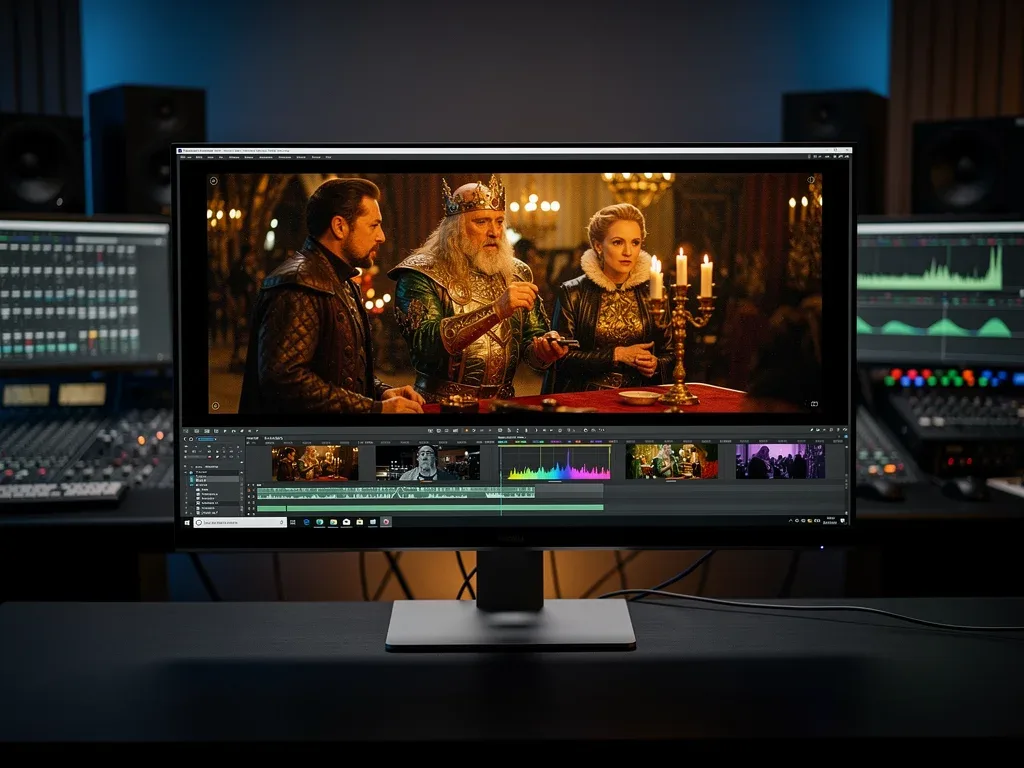
Film archives, distributors, and restoration specialists continue balancing physical preservation with digital accessibility. The best approach depends on available materials and project resources.
Digital distribution makes restored films accessible across theaters, physical media, and streaming services. However, maintaining high-quality files also creates long-term technical responsibilities.
Preservation strategies increasingly recognize the value of keeping original film elements alongside properly managed digital masters. Both support continued access to cinema history.
Technological Advancements and Archival Strategies
Modern scanning systems can capture detailed information from surviving film materials. Restoration software can assist with damage correction, image stability, and color work.
Artificial intelligence may support certain restoration tasks, but automated processing can also introduce invented details or remove intended visual information.
Human oversight and historical references remain important. Technology should support preservation objectives rather than silently redefine the original image.
Why Physical Film Preservation Still Matters
Original negatives and other surviving elements remain important sources for future restoration projects. They may contain information unavailable in existing digital masters.
Proper storage, handling, and documentation help protect these materials from deterioration. Their preservation requires specialized knowledge and suitable facilities.
Digital transfers can improve access without replacing every reason to preserve physical originals. Future technologies may also benefit from access to the film elements themselves.
What Audiences Should Watch in Future Releases
When a new edition is announced, check whether it uses a newly created scan, an existing restoration, or a revised digital master.
Details about the source element, restoration supervision, and color grading may explain meaningful differences between releases of the same film.
Comparing trustworthy technical information can help viewers choose editions that match their preferences for image fidelity, presentation format, and historical authenticity.
35mm vs 4K Scans: Key Takeaways
The 35mm vs 4K scans in 2026 discussion is best understood as a comparison of preservation methods and viewing experiences rather than a simple resolution contest.
Original film prints provide historical context, while digital restorations can reveal details and improve accessibility. The quality of the underlying materials remains essential.
The following table summarizes the main differences and considerations when comparing physical film presentations with high-resolution digital restorations.
Key Point | Brief Description |
|---|---|
35mm Authenticity | Physical film prints preserve historical exhibition characteristics, including photochemical grain and projection texture. |
4K Scan Benefits | High-resolution scans can reveal fine details and support careful restoration, depending on source quality. |
Cult Film Challenges | Distinctive color, contrast, effects, and photographic textures require film-specific restoration decisions. |
Future Outlook | Maintaining original film elements alongside reliable digital masters supports preservation and wider access. |
Frequently Asked Questions About Film Formats
What is the primary difference between 35mm film and 4K scans?
35mm film is a physical photochemical medium, while a 4K scan is a digital representation created from film elements. Their presentation differs in grain, projection characteristics, and processing. The quality of each depends on the source, equipment, and restoration or exhibition conditions.
Why are cult classics particularly sensitive to format changes?
Cult classics often have visual identities closely associated with their cinematography, color, contrast, and photographic texture. Restoration choices can affect these characteristics, making preservation accuracy especially important to dedicated audiences.
Do 4K scans always improve the viewing experience?
No. A 4K scan can provide excellent detail and a stable digital image, but results depend on source materials and restoration decisions. Some viewers prefer a particular 35mm presentation, while others value the consistency and accessibility of digital editions.
How does film grain factor into the 35mm vs 4K debate?
Film grain is part of the original photographic image. A carefully produced 4K scan can preserve its visible texture, while excessive noise reduction may remove genuine image information. Grain should be evaluated in relation to the original cinematography.
What are the future implications for film preservation?
The future of film preservation involves protecting original film elements while creating and maintaining high-quality digital masters. This combined approach supports historical authenticity, future restoration work, and access across different viewing formats.
What This Means for Cult Cinema in 2026
The comparison of 35mm vs 4K scans in 2026 demonstrates why preservation requires more than increasing image resolution. Original materials and artistic decisions remain central.
Blade Runner, Eraserhead, Pulp Fiction, The Big Lebowski, and Akira illustrate how different visual styles benefit from careful, individualized restoration approaches.
As audiences revisit these cult classics, maintaining both physical film heritage and high-quality digital access can help preserve their cultural significance.